





Instead of Shibuya's Scramble, Find Nostalgia in Yanaka
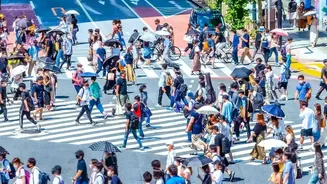
The neon-drenched, chaotic energy of Shibuya Crossing is an iconic Tokyo experience, but the reality is often a dizzying crush of people. For a taste of Tokyo that feels worlds away from the modern frenzy, head to Yanaka. This charming neighbourhood offers
a glimpse into the city's past, having largely survived the earthquakes and raids that reshaped other districts. The heart of the area is Yanaka Ginza, a pedestrian shopping street that feels preserved from the Showa period (1926-1989). Here, you won't find towering skyscrapers or glaring billboards. Instead, low-rise buildings house family-run shops selling traditional snacks, crafts, and produce, creating a slower, more intimate atmosphere. Known as a “Cat Town,” Yanaka has a relaxed vibe perfect for a leisurely stroll, offering a refreshing break from the sensory overload of central Tokyo. It's an authentic slice of old-world community life, just a short train ride away from the hustle.
Instead of Kyoto's Gion, Explore Kanazawa's Preserved Past
Kyoto's Gion district is famous for its traditional wooden machiya houses and the chance to spot a geisha, but its popularity means streets are often packed with tourists. For a similar atmosphere with a fraction of the crowds, consider Kanazawa in Ishikawa Prefecture. Often called “Little Kyoto,” the city was the seat of a powerful feudal clan and escaped wartime destruction, leaving its historic districts beautifully intact. Kanazawa boasts three geisha districts, known locally as chaya districts. The largest, Higashi Chaya, offers a journey back to the Edo period with its preserved teahouses. The smaller Kazue-machi and Nishi Chaya districts are even quieter, offering a serene, atmospheric stroll along cobbled streets and canals. Beyond the geisha districts, Kanazawa is home to Kenrokuen, one of Japan's most celebrated gardens, and a well-preserved samurai district, making it a rich cultural alternative to the more crowded tourist hubs.
Instead of Nara's Deer Park, Discover Koyasan's Spirituality
Nara is beloved for its free-roaming deer and the giant bronze Buddha at Todai-ji temple. However, the experience can feel overwhelming due to large crowds and assertive deer seeking snacks. For a more profound and peaceful spiritual retreat, make your way to Mount Koya, or Koyasan. This sacred mountain settlement is the heart of Shingon Buddhism and a UNESCO World Heritage site. Instead of day-trippers, you'll find pilgrims and those seeking tranquility. The main draw is the unique opportunity to stay overnight in a temple lodging (shukubo), where you can experience a monk's lifestyle, including morning prayers and vegetarian cuisine (shojin ryori). A walk through Okunoin, Japan's largest cemetery, is a mystical experience, with ancient cedar trees and moss-covered tombstones creating an otherworldly atmosphere. It is a destination that offers a deep sense of peace that is hard to find in more accessible tourist spots.
Instead of Arashiyama's Bamboo Grove, Wander Through Hokokuji Temple
The Arashiyama Bamboo Grove in Kyoto is one of Japan's most photographed sights, but its fame means the narrow path is almost always congested. For a more meditative bamboo experience, visit Hokokuji Temple in Kamakura, an easy day trip from Tokyo. While smaller than Arashiyama's grove, Hokokuji's garden contains over 2,000 dark green bamboo stalks, creating a dense, tranquil canopy. Narrow paths wind through the grove, leading to a small teahouse where you can enjoy a cup of matcha while gazing into the serene forest. Unlike the bustling thoroughfare of its Kyoto counterpart, Hokokuji offers a genuine sense of escape and Zen calm. It provides a similar visual and sensory experience—the towering stalks, the sound of rustling leaves—without having to navigate a sea of selfie sticks. It's a perfect spot for quiet contemplation just an hour away from the capital.