






Beyond the Postcard View
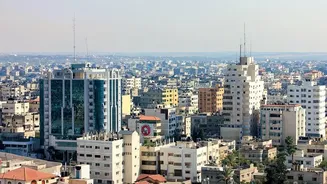
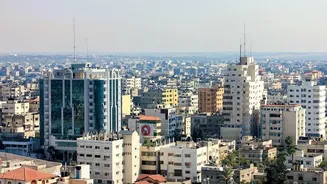
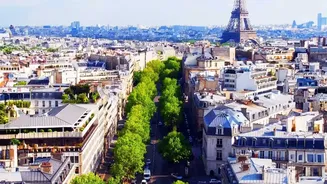
Aesthetics undoubtedly matter. An attractive physical environment, from the quality of architecture to the presence of public art, contributes to civic pride and a sense of place. However, urban experts argue that even beauty is more about the experience
than the view. A truly well-designed city feels good on a human scale. This includes having a mix of building sizes rather than monolithic towers, and creating compact, walkable districts where shops and homes coexist. It’s about the interplay of order and mystery—clear main routes balanced with intriguing side streets that invite exploration. Cities that prioritize pedestrians over cars and cultivate a unique local character feel more alive and welcoming than those that simply look impressive from a distance. This focus on a pleasant, functional street-level experience is the foundation upon which deeper livability is built.
The Engine of Opportunity
A city, at its core, has historically been a hub for productive forces, attracting investment and talent. No matter how beautiful, a city with a stagnant economy cannot be considered attractive for long. Economic dynamism is the engine that powers everything else. This extends beyond just the availability of jobs. A truly attractive city offers a diverse range of opportunities for career advancement, entrepreneurship, and skill development. It fosters an environment where businesses can thrive, which in turn creates a virtuous cycle of growth and prosperity. The EIU's Global Liveability Index consistently includes economic stability as a key factor, alongside elements like infrastructure and education. Ultimately, people are drawn to places where they can envision a better future for themselves and their families, making economic health a non-negotiable component of urban appeal.
The Power of Social Connections
Perhaps the most underrated element of a city’s attractiveness is its social fabric. Urban planners and sociologists refer to this as social capital: the network of relationships and the sense of community among residents. This isn’t just about feeling friendly; it has tangible benefits. Research has shown that social capital is positively linked to everything from better health and lower crime rates to greater economic equality. One of the most powerful factors is "economic connectedness," or the degree of interaction between people from different socioeconomic backgrounds. Children who grow up in communities with more cross-class friendships are significantly more likely to achieve upward economic mobility. Cities that foster this through inclusive public spaces, community organisations, and mixed-use neighbourhoods are building a powerful, invisible asset that makes them more resilient and opportunity-rich.
The Unseen Foundation of Daily Life
The glamour of a city often masks the essential, workhorse functions that make daily life possible. The quality of these underlying systems is a crucial, if unsexy, measure of attractiveness. This includes the efficiency and accessibility of public transportation, which allows residents to access jobs and services without relying on a car. It also covers the availability of affordable housing, the quality of public schools, and timely access to healthcare. A city where residents feel safe, have access to clean air and water, and can trust that essential services will function reliably provides a deep sense of security and well-being. While not as exciting as a new museum or a trendy restaurant district, this foundation of seamless functionality is what residents depend on day in and day out, forming the bedrock of their quality of life.