

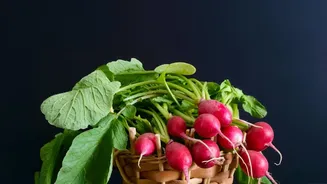
Embrace the Pickle Jar
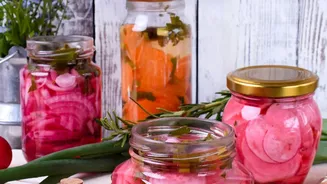
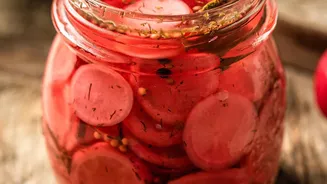
One of the easiest and most rewarding ways to use a bundle of radishes is to quick-pickle them. This method tames their spicy bite while preserving their satisfying crunch. A simple brine of vinegar, water, sugar, and salt is all you need. For a visually
stunning result, you can make Korean or Japanese-style pink pickles. By adding a few slices of beet to the jar, the brine and the radishes will take on a brilliant fuchsia hue without any artificial dyes. These tangy, sweet pickles are a fantastic addition to tacos, sandwiches, grain bowls, or as part of a cheese board. A basic recipe involves bringing one cup of rice vinegar, two cups of water, one cup of sugar, and a tablespoon of salt to a boil. Pour the hot liquid over sliced radishes (and beets, if using) packed into a jar and let it cool before refrigerating. They'll be ready to enjoy in a few hours and will keep for weeks.
Roast for a Sweeter Side
Roasting radishes completely transforms their character. The process mellows their peppery sharpness, bringing out a surprising sweetness and making them tender. To roast, simply trim your radishes, toss them with olive oil, salt, and pepper, and place them in a hot oven (around 400-450°F or 200-230°C). Cut larger radishes in half or quarters to ensure even cooking. Roast for about 15-25 minutes, until they are fork-tender and beginning to brown on the cut sides. The heat also coaxes the colour from the skin, turning the white flesh a beautiful light pink. Roasted radishes make a wonderful side dish on their own, perhaps with a squeeze of fresh lemon juice, or can be added to salads and grain bowls for extra depth.
Sauté for a Quick, Warm Dish
If you're short on time, sautéing is a fast and effective way to cook radishes. This method softens them while allowing them to absorb the flavours of the pan. A simple sauté with butter and olive oil, seasoned with salt and pepper, takes only about five to seven minutes. Cook them until they become tender and their colour blushes to a soft pink. You can also braise them by cooking them in a liquid like stock or port wine until they are translucent and tender, which takes around 10 minutes. Sautéed or braised radishes can be served alongside roasted chicken or fish, or mixed in with other vegetables for a warm, comforting side.
Upgrade Your Salads and Sandwiches
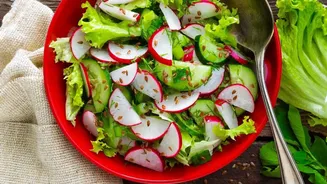
While we aim to go beyond the basics, there's no denying that raw radishes excel in salads and sandwiches. Instead of simple slices, try different preparations. A mandoline can create paper-thin rounds that add a delicate crunch without overwhelming other ingredients. For a more robust texture, quarter them or cut them into matchsticks. Don't forget that radish greens are edible and have a pleasant peppery flavour; they can be washed and added to salad mixes or blended into a unique pesto. The crispness of a fresh radish provides a perfect counterpoint to creamy avocados, rich cheeses, and hearty breads in any sandwich.
Tips for Buying and Storing
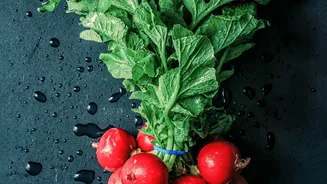
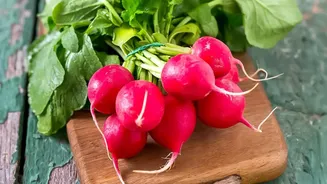
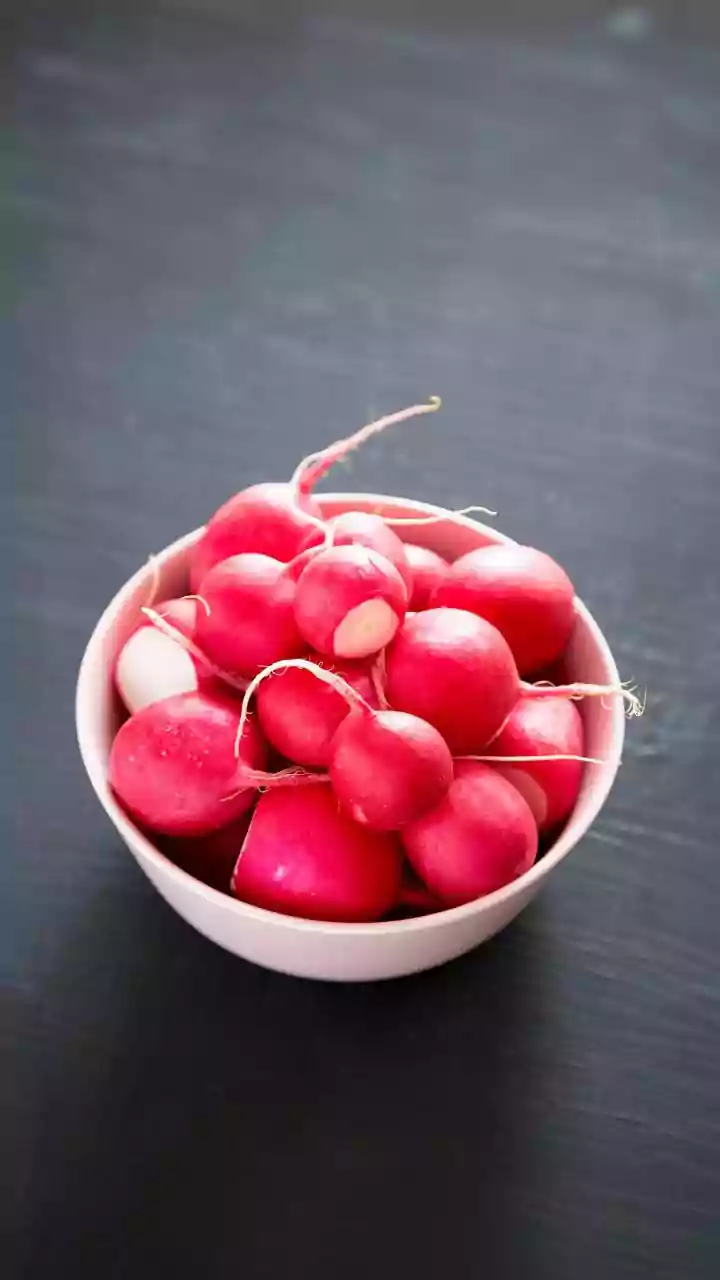
To get the most out of your radishes, start by choosing the best ones. Look for firm, brightly coloured roots without cracks or soft spots. If the greens are attached, they should be vibrant and unwilted, as this is a good sign of freshness. Once you get them home, remove the leafy tops, as they draw moisture and nutrients from the root, causing it to go soft faster. The greens can be stored separately in the fridge for a couple of days. Store the radish bulbs in a plastic bag in the refrigerator, where most varieties will last for up to two weeks. Before using, give them a good scrub under cool running water.
A Nutrient-Packed Powerhouse
Beyond their culinary versatility, radishes are packed with nutritional benefits. They are low in calories but high in fiber, which aids in digestion. Radishes are also a great source of Vitamin C and other antioxidants, which help protect your cells from damage. They contain compounds that may offer a range of health benefits, from supporting the immune system to promoting heart health and regulating blood sugar. Incorporating this colourful root into your diet is a simple way to add both flavour and valuable nutrients to your meals.