





The Intense Sweetness of Dried Fruit
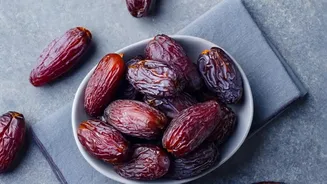
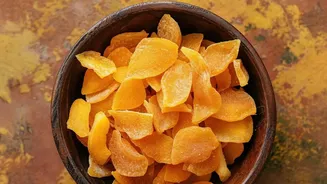
Drying fruit is a preservation method as old as time, but it fundamentally changes the fruit's composition. When water is removed, everything left behind becomes more concentrated. This includes fiber, vitamins, and minerals, but also, crucially, sugar.
By weight, dried fruit contains significantly more sugar than its fresh counterpart. For example, 100 grams of fresh apricots contain about 9 grams of sugar, while 100 grams of dried apricots can pack over 53 grams. This isn't because sugar is added (in unsweetened varieties), but because the fruit's natural sugars (fructose and glucose) are condensed into a smaller, denser package. This energy density is great for athletes needing a quick boost, but for the average snacker, it makes it very easy to consume a large amount of sugar without realizing it.
Decoding 'Yogurt' and 'Chocolate' Coatings
That glossy white or brown shell on your favorite snack might not be what you think it is. The term "yogurt coating" can be misleading. While it may contain yogurt powder, the primary ingredients are typically sugar, hydrogenated oils (like palm kernel oil), and milk solids. Experts often describe these coatings as a type of frosting, not a health food. The same logic applies to many chocolate coatings, which can be high in sugar and unhealthy fats. These are classified as "added sugars," which have been repeatedly linked to negative health effects when consumed in excess. Unlike the natural sugar in fruit, which comes packaged with fiber, the sugar in these coatings offers empty calories with little to no nutritional benefit.
A Head-to-Head Sugar Showdown
So, what happens when you combine the two? Let's compare plain raisins to yogurt-covered raisins. A quarter-cup serving of plain raisins has around 29 grams of sugar, all of it naturally occurring from the grape. A similar serving of yogurt-covered raisins might contain around 19 grams of sugar. At first glance, the coated version seems better. However, the coating adds significant bulk, meaning you get far fewer raisins in that serving. The coating itself is almost entirely sugar and fat, adding empty calories. To make a true comparison, consider this: the sweetness of the dried fruit is already high. Any coating applied is almost purely for extra indulgence, layering added sugar on top of an already sugar-dense food. Candied fruits, which are soaked in sugar syrup before drying, are the most extreme example of this.
It's Not Just About Sugar Grams
A gram of sugar isn't always just a gram of sugar in terms of health impact. The sugar in plain dried fruit comes with a valuable partner: fiber. Fiber helps slow down the absorption of sugar into the bloodstream, preventing the sharp spikes and crashes associated with candy and other processed sweets. Plain dried fruits also retain many of the original fruit's vitamins and minerals, like potassium and iron. Sweet coatings, on the other hand, add calories primarily from sugar and fat while offering minimal nutritional value. So while the sugar gram count might sometimes look surprisingly similar, the overall nutritional package is vastly different. Unsweetened dried fruit is a nutrient-dense food, while a candy coating is just that—candy.
Making Smarter Snacking Choices
When navigating the snack aisle, knowledge is your best tool. First, always read the ingredients list. Look for unsweetened dried fruit where the only ingredient is the fruit itself (and maybe a preservative like sulphur dioxide, which some people may be sensitive to). If you see sugar, corn syrup, or cane juice high up on the list, you know you're getting added sugar. Treat any snack with a yogurt, chocolate, or candy coating as an occasional indulgence, not a daily health food. Finally, practice portion control. Because dried fruit is so dense, it's easy to overeat. A small handful (about a quarter cup) is a reasonable serving size. Pairing it with a source of protein or healthy fat, like nuts or plain yogurt, can also help stabilize blood sugar levels.