





The Core Warning
CareEdge Ratings, a prominent Indian credit rating agency, has flagged a significant risk for the country's export sector. According to a recent report, exporters dealing in perishable items face mounting pressure from extended shipping durations. This
vulnerability isn't just a minor logistical headache; it represents a direct threat to the financial health of businesses that trade in goods with a limited shelf life, such as fresh produce, seafood, and certain pharmaceuticals. The agency noted that these low-margin cargo segments are facing the greatest pressure due to a limited ability to absorb higher transportation costs.
Geopolitical Crises Driving Delays
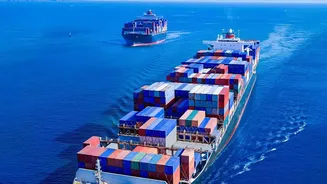
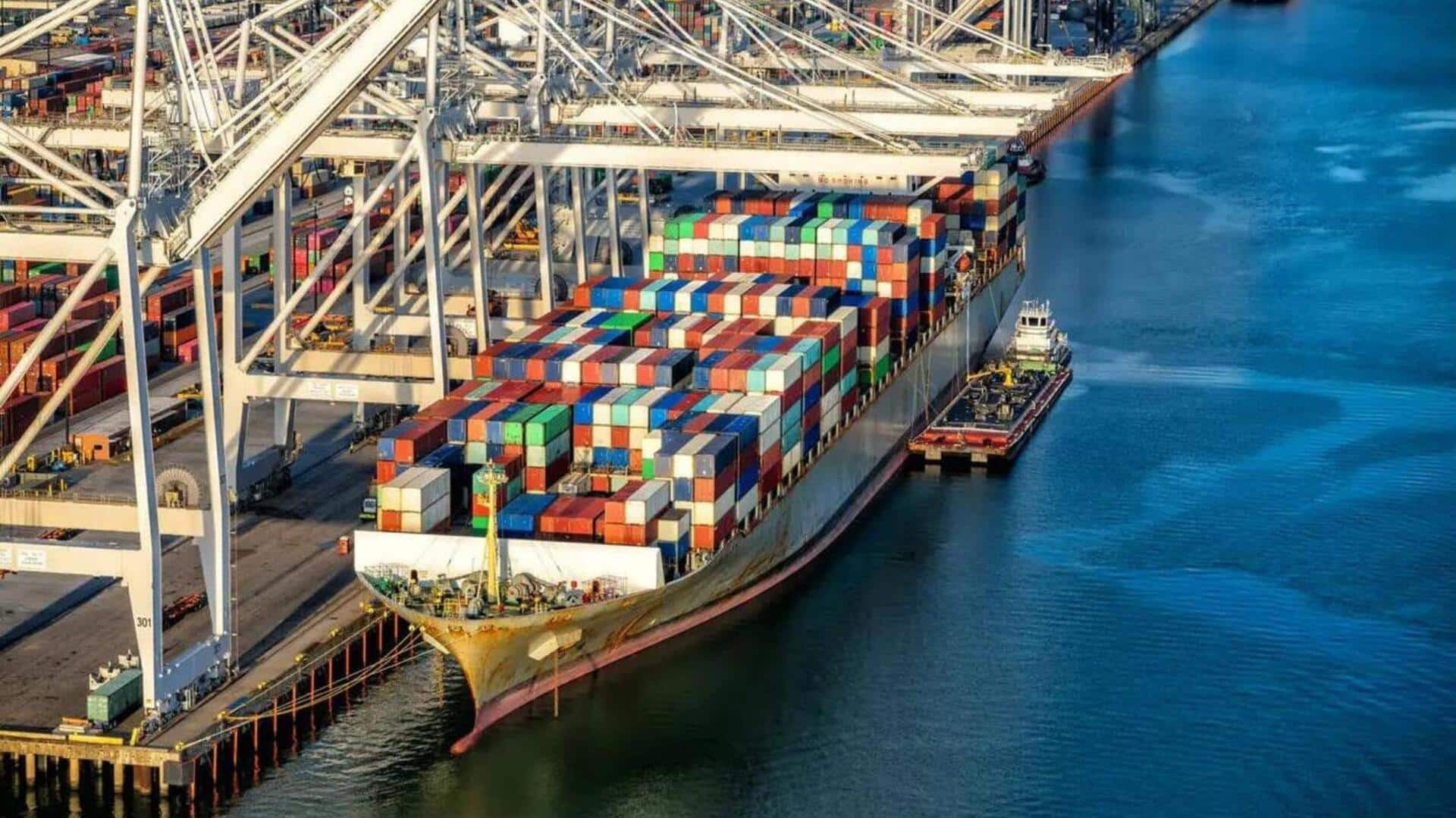
The primary cause for these extended transit times is the ongoing geopolitical instability, particularly in the Red Sea. Attacks on commercial vessels have forced major shipping lines to reroute their fleets away from the vital Suez Canal. Instead, ships are now taking a much longer and costlier journey around the Cape of Good Hope in Africa. This detour can add between 10 and 22 days to a voyage, severely disrupting delivery schedules and supply chain timelines that are planned with precision. This dual-threat scenario, with tensions also simmering in the Strait of Hormuz, poses a severe risk to global logistics and India's trade flows.
The Financial Squeeze on Exporters
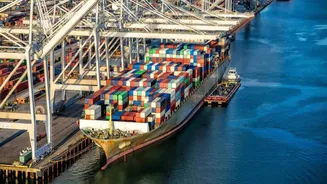
Longer transit times translate directly into higher costs and increased financial strain. Freight charges and insurance premiums have surged. India Ratings and Research (Ind-Ra) estimated that disruptions could raise freight and forwarding costs by 25-30%. Furthermore, some shipping lines have introduced emergency surcharges, adding to the burden. For exporters, this means not only paying more for shipping but also waiting longer to receive payments, which puts a significant strain on working capital. For goods like basmati rice, fruits, and coffee, this makes Indian products less competitive in international markets. The situation is especially precarious for small and mid-sized enterprises (MSMEs), which have limited capacity to absorb such shocks.
Which Sectors Are Most Affected?
While the entire export community feels the pinch, those dealing in time-sensitive goods are on the front line. The agricultural sector, including exporters of grapes, mangoes, and vegetables, is particularly vulnerable. Any delay can lead to spoilage, resulting in a total loss of the shipment. India's burgeoning seafood export industry, which sends vast quantities of frozen shrimp and marine products globally, also faces significant risks from disruptions to the cold chain and quality control. Even the pharmaceutical industry, which relies on temperature-controlled logistics for many of its products, is not immune to the impact of these delays.
Searching for Solutions
In response, exporters and industry bodies are exploring a range of mitigation strategies. The Federation of Indian Export Organisations (FIEO) has sought government intervention to address vessel shortages and rising costs. Some businesses are exploring alternative transport modes like air freight, though this is significantly more expensive and not viable for all products. Other strategies include diversifying routes, optimising inventory management to maintain buffer stocks, and enhancing cold chain infrastructure to better protect goods during longer journeys. Proactive communication with buyers to manage expectations and renegotiate terms has also become a critical tool for survival.