





A Taste of Home in Orbit
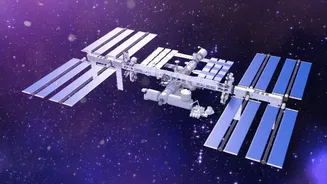
The Axiom-4 (Ax-4) mission, a private spaceflight to the International Space Station (ISS), has served as a crucial testbed for India's space ambitions. While not an Indian Space Research Organisation (ISRO) mission, it carried Indian astronaut Shubhanshu
Shukla and a payload of specially prepared food from the Defence Food Research Laboratory (DFRL) in Mysuru. This collaboration between DRDO, ISRO, and Axiom Space allowed for real-world testing of Indian cuisine in a microgravity environment, providing invaluable data for the upcoming Gaganyaan missions. The goal is to ensure that when Indian astronauts travel to space, they have a menu that is not only nutritious and safe but also familiar and comforting.
The Master Chefs of DRDO
The DFRL, a laboratory under the Defence Research and Development Organisation (DRDO), is the culinary powerhouse behind this effort. With decades of experience creating ready-to-eat meals and specialized food products for the armed forces operating in extreme conditions, DFRL was the natural choice to develop a menu for astronauts. For Gaganyaan, scientists at the Mysuru lab have developed a diverse menu of around 40 to 50 vegetarian and non-vegetarian items. This isn't the lab's first foray into space cuisine; it also supplied food for Rakesh Sharma's historic 1984 space mission. Today's preparations, however, are far more advanced, focusing on long shelf life, nutritional balance, and ease of consumption in zero gravity.
What's on the Space Menu?
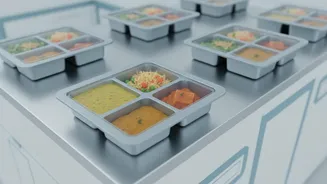
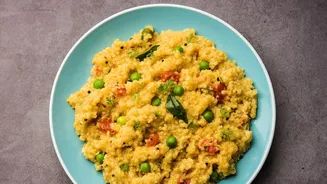
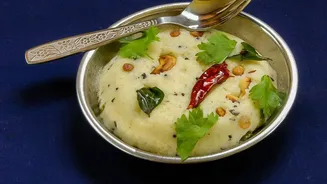
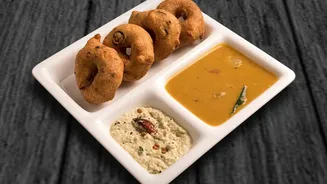
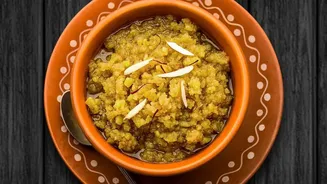
The menu being developed and tested reads like a list of Indian comfort foods. Dishes like vegetable biryani, potato paratha, moong dal halwa, kichdi, and sambar chawal are all part of the prospective lineup. For the Axiom-4 mission specifically, items like carrot halwa, mango pulp, and hesaru bele halwa (moong dal halwa) were prepared. The food is specially processed to be low-fragmentation (to prevent crumbs from floating into sensitive equipment), mildly spiced, and low in oil. Liquids such as water and juices are provided in special containers designed for zero-gravity drinking. The idea is to provide a taste of home that boosts morale while meeting the strict dietary and safety regulations of spaceflight.
The Science of Eating in Space
Preparing food for space is a complex scientific challenge. Meals must be lightweight, compact, and able to withstand the vibrations of a rocket launch. They need a long shelf life without refrigeration and must be easy to rehydrate and consume in an environment where everything floats. Crumbs are a serious hazard, as they can interfere with electronics and ventilation systems. Furthermore, astronaut nutrition needs to be carefully managed to counteract the physiological effects of space, such as muscle and bone density loss. The DFRL's process involves developing foods that are not only safe and shelf-stable but also palatable, as an astronaut's sense of taste can be altered in space. The food tasting sessions with astronauts are a critical part of the final selection process.
Paving the Way for Gaganyaan
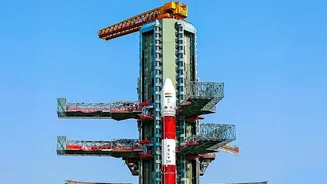
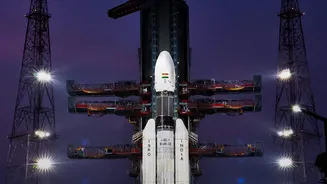
The Axiom-4 trial is more than just a culinary experiment; it's a vital step in refining the entire food system for Gaganyaan. The feedback from the Ax-4 crew on the taste, texture, and packaging of the Indian dishes will directly influence the final menu for India's own human spaceflight mission. This real-world test helps iron out unforeseen issues and validates the work done by DFRL and other collaborating institutions like the National Institute of Nutrition. As ISRO progresses with Gaganyaan's uncrewed and crewed flights, having a proven and well-liked food plan will be essential for the health, well-being, and success of India's astronauts on their historic journey into space.