






The Annual Monsoon Shutdown
Every year, from roughly June to September, most of India's premier national parks, especially the core zones of tiger reserves, close their gates to tourists. This is a crucial period for several reasons. Primarily, the monsoon is the main breeding season
for many animals, and the closure provides them with an undisturbed environment. Secondly, the rains are essential for the forest's regeneration, replenishing water bodies and allowing vegetation to flourish. Finally, it's a matter of safety; the unpaved dirt tracks used for safaris become slushy, flooded, and often impassable, making vehicle movement dangerous.
Nature's Grand Overhaul
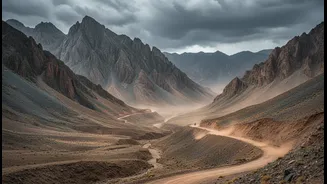
While the monsoon breathes life into the forest, it also acts as a powerful force of destruction and renewal. Heavy downpours can wash away entire sections of safari tracks, damage small bridges and culverts, and cause rivers and streams to overflow their banks, flooding low-lying areas. In parks like Jim Corbett, this is a yearly occurrence, especially in zones like Dhikala which are situated deep within the forest and crossed by numerous water channels. In places like Kaziranga, the mighty Brahmaputra river floods vast portions of the park. This damage, while disruptive for tourism, is a natural part of the ecosystem's cycle, reshaping the landscape annually.
The Unpredictable Reopening
Most national parks announce reopening dates around early to mid-October. For eager tourists, this date seems firm. However, this is often just the earliest possible date. Before jeeps can roll in, forest department officials must conduct extensive surveys. They need to assess the damage to the road network, clear fallen trees, and repair washed-out sections. If the monsoon has been particularly heavy or has extended longer than usual, this repair work can take several weeks. An announced October 1st opening can easily be pushed back, sometimes with little notice, leaving travelers with booked flights and hotels in a difficult position.
Not All Zones Are Created Equal
It's crucial to understand that a national park rarely opens all at once. Parks are divided into multiple safari zones, and they typically open in phases. Buffer zones, which are on the periphery, often open earlier or even remain open through the monsoon. The coveted core zones, which often have higher wildlife density, are usually the last to open. For example, in Jim Corbett, while buffer zones like Jhirna and Dhela may be accessible, the famous Dhikala zone often doesn't open until mid-November precisely because its tracks are so susceptible to monsoon damage. Similarly, in Ranthambore, zones 1-5 (the core) close completely, while zones 6-10 (the buffer) may remain open.
How to Plan Your Safari Smartly
So, how should you navigate this uncertainty? The key is flexibility. If your heart is set on an early October safari, be prepared for the possibility that only buffer zones may be open. To increase your chances of accessing core areas without issues, consider booking your trip for late October or, even better, November. By then, the tracks are generally repaired, and the vehicle access is much more reliable. Always check the official forest department websites and with local tour operators for the most current, on-the-ground information before finalizing your plans. Booking safaris in advance is essential, but be aware of the park's specific seasonal timelines.
The Silver Lining of Patience
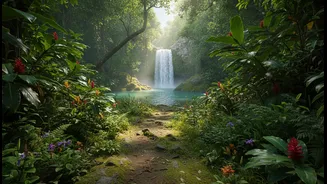
While the potential for delays can be frustrating, the reward for a well-planned post-monsoon trip is immense. The forest is at its most beautiful—a vibrant, almost-electric green, with dust-free air and brimming waterholes. The weather is pleasant, and the crowds of peak winter season have not yet arrived. Birdlife is prolific, and animals are often active, enjoying the abundance of food and water. A little patience and planning can lead to an unforgettable experience, witnessing the jungle in its most rejuvenated and spectacular state.