





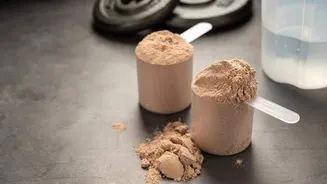

Myth: You Need Protein Powder to Build Muscle
This is one of the biggest and most persistent myths in the fitness world. The truth is you don't need supplements to build muscle; you need adequate protein and resistance training. Protein powders are simply a convenient, concentrated source of protein.
However, your body can't tell the difference between the amino acids from a scoop of whey and those from a bowl of dal, a piece of chicken, or a serving of paneer. Studies show that as long as your total daily protein intake is sufficient, muscle growth will occur whether the protein comes from whole foods or a shake. The supplement is a tool for convenience, not a magic requirement for growth.
Fact: Your Protein Needs Depend Entirely on Your Lifestyle
A one-size-fits-all approach to protein is incorrect. Your daily requirement is tied to your body weight and, most importantly, your activity level. According to the Indian Council of Medical Research (ICMR), a sedentary adult needs about 0.83 grams of protein per kilogram of body weight. For a 65kg person, that's around 54 grams per day. However, this is the minimum to prevent deficiency, not the optimal amount for an active person. If you engage in regular, intense strength training, sports nutrition bodies recommend a much higher intake, around 1.4 to 2.0 grams per kilogram, to effectively repair and build muscle tissue. So, while an office worker might easily meet their needs with a balanced diet, a serious athlete might find a post-workout shake helpful to reach their higher target.
Myth: More Protein Is Always Better
Some believe that if protein is good, more must be better. This is false. Your body has a limit to how much protein it can effectively use for muscle synthesis at one time, generally estimated to be around 20-40 grams per meal. Consuming significantly more than your daily needs won't lead to extra muscle; your body will simply convert the excess protein into calories for energy or store it as fat. In very high amounts over a long period, excessive protein intake, particularly from supplements, can put a strain on the kidneys and liver in individuals with pre-existing conditions. It can also lead to digestive issues like bloating and gas.
Fact: Whole Foods Offer Superior Overall Nutrition
A scoop of protein powder gives you protein. A plate of food gives you so much more. Whole food sources like lentils, chickpeas, eggs, fish, and dairy products come packaged with other essential nutrients—fibre, vitamins, minerals, and healthy fats—that are vital for overall health. This 'food matrix' supports everything from gut health to energy levels in a way an isolated supplement cannot. While a powder can fill a protein gap, it should be seen as a 'supplement' to a healthy diet, not a replacement for it. Relying too heavily on shakes can lead to a diet that is lacking in other crucial micronutrients.
Myth: All Protein Powders Are the Same
The supplement aisle can be confusing, but not all powders are created equal. They differ by source, digestion speed, and amino acid profile. Whey protein, derived from milk, is fast-digesting and rich in the amino acid leucine, making it popular for post-workout recovery. Casein, also from milk, digests slowly, making it suitable before bed. Plant-based proteins, made from sources like pea, soy, or brown rice, are excellent for vegans or those with lactose intolerance. However, many plant proteins are 'incomplete' on their own, so brands often blend them to create a full amino acid profile similar to whey.
Fact: Supplements Can Be a Useful Tool for Some
While not essential for everyone, protein powders have their place. For elite athletes or bodybuilders with very high protein targets (upwards of 150 grams a day), getting all of it from food can be challenging and expensive. Supplements offer a quick, efficient, and cost-effective way to meet these demands. They are also incredibly useful for people with dietary restrictions, such as vegetarians and vegans who may struggle to get enough complete protein, or older adults who need more protein to prevent age-related muscle loss. Finally, for the busy professional who rushes from the office to the gym, a shake is a convenient option when there's no time for a proper meal.