


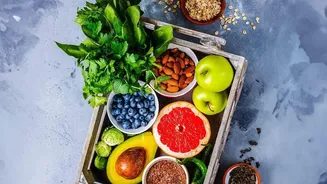


Decoding 'Ultra-Processed'
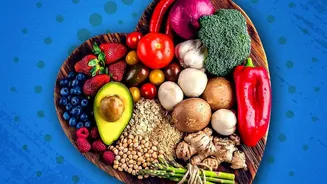
The term 'ultra-processed food' or UPF can be confusing. It doesn't just mean any food that comes in a package. The NOVA classification system, used by scientists, categorises food by its level of processing. Unprocessed or minimally processed foods are
things like fresh fruits, vegetables, dal, rice, and milk. At the other end of the spectrum are UPFs. These are industrial formulations made mostly from substances extracted from foods, plus additives you wouldn't find in a home kitchen. Think of packaged biscuits, instant noodles, sugary breakfast cereals, ready-to-eat meals, chips, and sodas. They are designed to be convenient and hyper-palatable, but this often comes at a nutritional cost, as they tend to be high in added sugar, unhealthy fats, and sodium, while being low in fibre and essential nutrients.
The Latest Scientific Findings
A significant new meta-analysis published in a medical journal has strengthened the link between UPFs and poor health outcomes. After analysing 51 studies that included a total of over 8.8 million adults, researchers found that higher consumption of these foods was clearly associated with a greater risk of multiple chronic diseases. Specifically for heart health, the findings were stark. The analysis showed that compared to those with low intake, individuals with the highest consumption of UPFs had a 24% higher risk of major cardiovascular events like heart attacks and strokes. A dose-response analysis within the study found that for every additional 100 grams of UPF eaten per day—roughly the equivalent of a small bag of chips or a couple of packaged biscuits—the risk of a cardiovascular event increased by 14%. These results are consistent with other large-scale research, adding weight to the growing consensus among health experts.
Why Are These Foods a Concern?
The problem with UPFs isn't just one single ingredient. Experts point to a combination of factors. Their high content of sodium, added sugars, and unhealthy fats can directly contribute to high blood pressure, high cholesterol, and weight gain—all major risk factors for heart disease. Furthermore, the industrial processing itself strips away beneficial nutrients like fibre and antioxidants that are protective for the heart. Some researchers also suggest a 'cocktail effect' from the various additives like emulsifiers, sweeteners, and artificial flavours used to improve taste and shelf life, the long-term impacts of which are still being studied. These foods are also engineered to be easy to overconsume without providing a feeling of fullness or satisfaction, which can lead to a higher overall calorie intake and displace healthier, whole foods from the diet.
Rethinking Your Plate in India
In India, the consumption of UPFs has been rising exponentially, from ready-to-cook meal mixes and instant noodles to the ubiquitous packaged biscuits often eaten with chai. While traditional Indian diets are typically rich in whole and minimally processed foods, the convenience and accessibility of UPFs are changing eating habits. Experts stress that the goal isn't to eliminate every packaged food but to make whole or minimally processed items the foundation of your diet. Simple swaps can make a significant difference. Opting for homemade snacks over packaged namkeens, choosing plain dahi and adding fruit instead of buying flavoured yoghurts, or preparing meals from scratch more often can drastically reduce your UPF intake. Reading ingredient lists is also key; look for short lists with recognisable ingredients.