


Portugal's coastline is legendary, but its true magic lies in the hidden coves and wild shores that few tourists see. Reaching these remote beaches requires more than a map; it demands preparation. Here’s what you need to know before you go.
Mastering the Descent
Many of Portugal’s
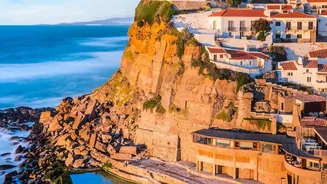
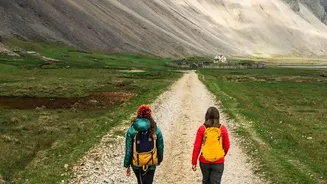
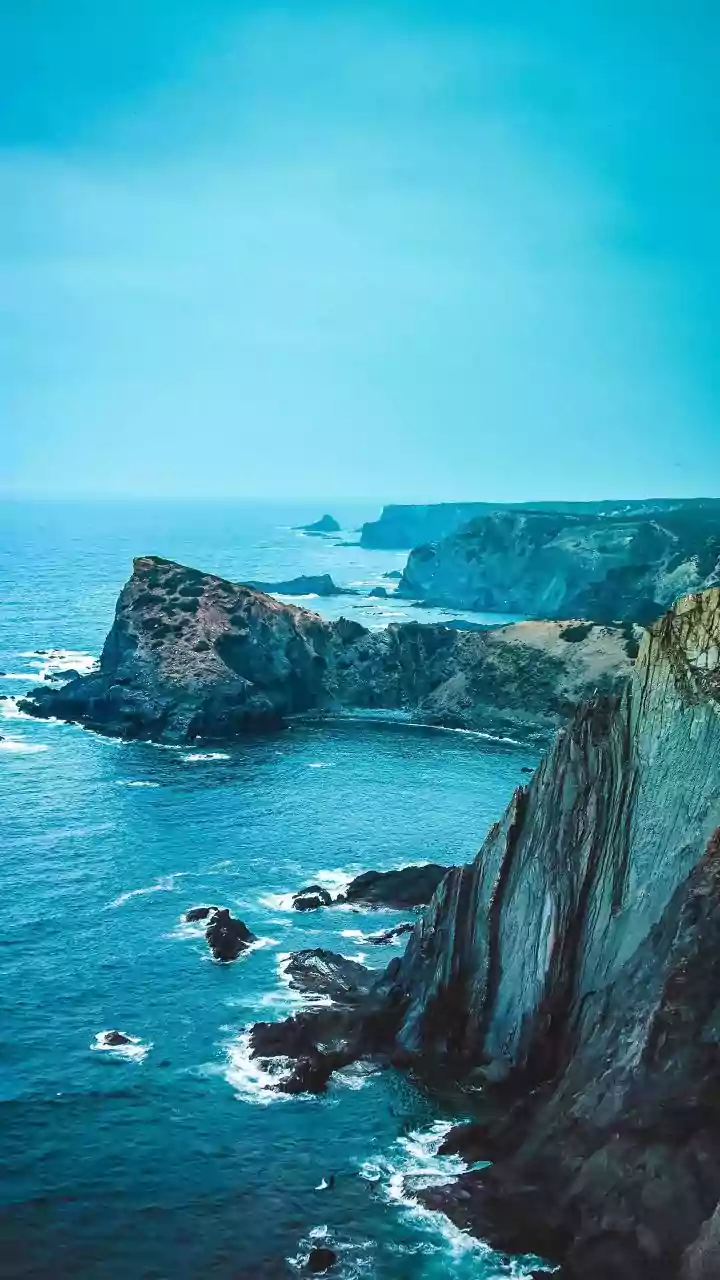
most pristine beaches are hidden at the bottom of dramatic cliffs, and accessing them is part of the adventure. Be prepared for steep, unpaved paths, rocky scrambles, and sometimes even tunnels carved through stone, like at Praia do Carvalho. At Praia da Ursa, for example, the trail is a known challenge, requiring a significant hike down a rugged path that can be slippery, especially after rain. Sturdy, closed-toe footwear is non-negotiable. These trails are generally not suitable for young children or individuals with mobility issues. The physical effort is precisely what keeps these locations unspoiled and tranquil.
Tide Times Are Not a Suggestion
The Atlantic Ocean governs life on the Portuguese coast, and its tides can be dramatic. A wide, sandy expanse at low tide can completely disappear under water as the tide comes in, potentially cutting off your exit route. Before setting out, always check the local tide charts. This is especially critical if you plan to explore sea caves or walk around headlands. Strong currents and unpredictable waves are also a major hazard, particularly on the wilder western coast. Rip currents are common and can pull even strong swimmers out to sea. Most remote beaches are unguarded, meaning no lifeguards are present to assist in an emergency.
Parking and Transportation Puzzles
Reaching these hidden gems almost always requires a car. However, parking is often a major challenge. At popular trailheads like the one for Praia da Ursa, parking is limited and can be located a significant walking distance from the actual descent to the beach. For other spots, you might find yourself navigating narrow, rough dirt roads not suitable for all rental cars. In areas like the Arrábida Natural Park, access roads can be one-way, and parking near the best beaches is often paid and fills up extremely early in the morning, especially during peak season. The general rule is to arrive early to secure a spot and be prepared for a walk before your hike even begins.
Pack for Complete Self-Sufficiency
The allure of a remote beach is its untouched nature, which means a complete lack of facilities. You will not find cafes, restrooms, or shops selling water and snacks. You must pack in everything you’ll need for the day and, just as importantly, pack it all out. Essential items include plenty of water, food, a first-aid kit, and high-SPF sunscreen, as there is often little to no shade. A fully charged phone is crucial, but don't rely on having a signal; downloading offline maps of the area beforehand is a wise precaution. Given the often-windy conditions, a windbreaker is also recommended.
Respect the 'Praia Selvagem'
These wild beaches ('praias selvagens') are fragile ecosystems. As a visitor, your goal is to leave no trace of your presence. This means carrying out all your rubbish, including food scraps and cigarette butts. Stick to established paths to avoid trampling sensitive dune vegetation, which helps prevent coastal erosion. Furthermore, the cliffs along much of the coast, especially in the Algarve, are unstable. Rockfalls are a real and constant danger. Heed any warning signs and avoid sitting directly beneath the cliffs. By being a considerate visitor, you help preserve the raw, natural beauty that makes these places so special for everyone.