









An Insatiable Thirst for Power
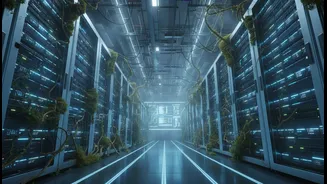
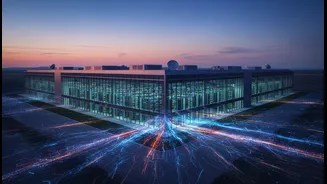
The generative AI models that power tools like ChatGPT are not just lines of code; they are massive computational engines running in sprawling data centres. Both training these models and running them to answer user queries require immense electricity.
Unlike a simple web search, which uses a fraction of a watt-hour, AI servers can consume up to 10 times the power of standard servers. This is because they rely on power-hungry graphics processing units (GPUs) to handle complex calculations. The result is a surge in electricity demand that is straining power grids. Some projections indicate that by 2030, data centres could consume as much electricity as a country the size of Japan, with AI being the primary driver of this growth.
Climate Pledges Under Pressure
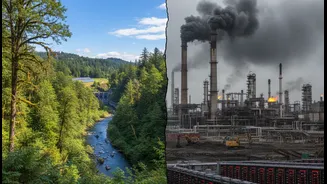
This energy demand is colliding head-on with ambitious climate goals. Major tech companies like Microsoft, Google, and Amazon have all made public commitments to become carbon neutral or even carbon negative by specific dates, such as 2030 or 2040. These pledges were built on large-scale investments in renewable energy like wind and solar. However, the AI boom is causing their emissions to rise, not fall. Recent sustainability reports from these tech giants have shown significant year-over-year increases in emissions, directly linked to the construction and operation of new AI data centres. The pace of AI expansion is outstripping the deployment of clean energy, forcing some companies to rely on natural gas plants to meet the immediate, non-stop power demand.
The Scale of the Challenge
According to the International Energy Agency (IEA), global electricity demand from data centres, AI, and cryptocurrencies is expected to double by 2026. In the United States alone, forecasts suggest data centre energy demand could increase by 130% by 2030. For years, the energy consumption of data centres remained relatively flat despite growing workloads, thanks to huge gains in efficiency. That trend has now reversed. The sheer scale of AI-driven demand means efficiency improvements are no longer enough to offset the massive growth in consumption, a reality that has caused some to call net-zero by 2030 a "moonshot."
The Search for Solutions
Despite the grim numbers, the industry is not standing still. There is a concerted effort to make AI more sustainable. One path is through algorithmic efficiency—developing smaller, more specialised AI models that require less energy without compromising performance. Innovations in data centre design, such as advanced liquid cooling systems, can also reduce the energy needed to prevent servers from overheating. Another strategy involves shifting AI workloads to different geographic locations in real-time to take advantage of where renewable energy is most abundant. Tech giants are also making long-term bets on next-generation clean power sources, including advanced nuclear and geothermal energy, to provide the 24/7 carbon-free power that intermittent renewables like solar and wind cannot guarantee.