

The Secret to a ‘Reshmi’ Dough
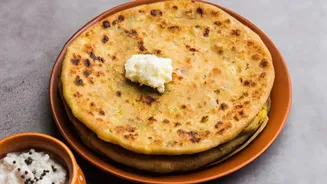
The word ‘reshmi’ translates to silky, and that perfectly describes the texture of this paratha. Unlike standard parathas, the dough for reshmi parathas is exceptionally soft and pliable, which contributes to its signature melt-in-the-mouth quality. The secret
often lies in an enriching ingredient. While some recipes use milk or cream, a common and effective method involves using boiled and mashed potatoes directly in the dough. The starch from the potatoes provides a remarkable softness that you can't achieve with just flour and water. This method also means you may need little to no additional water, as the moisture from the potatoes is often enough to bind the flour. The resulting dough is smooth, easy to roll very thin, and cooks into a beautifully tender flatbread.
Crafting the Perfect Soft Dough
Creating the perfect dough is the foundation of a great paratha. For this recipe, you will typically use whole wheat flour (atta), though some variations use a mix of atta and all-purpose flour (maida) for an even lighter texture. Start by combining your flour with salt and perhaps some spices like carom seeds (ajwain). Instead of water, you will add freshly boiled, peeled, and finely mashed or grated potatoes. Ensure there are absolutely no lumps in the potato, as this can tear the paratha later. Mix the potato into the flour, then add a tablespoon of oil or ghee. Knead everything together until a soft, smooth, and pliable dough forms. It should be non-sticky but very soft. Cover the dough and let it rest for at least 15-30 minutes. This resting period allows the gluten to relax, making the dough much easier to roll out without tearing.
The Rich Vegetable and Paneer Filling
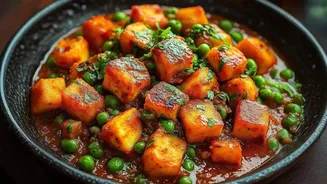
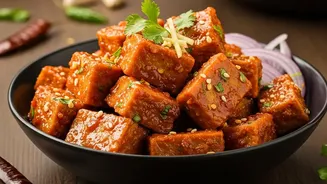
The filling is where you can pack in flavour and nutrition. A classic combination includes finely crumbled or grated paneer, along with a mix of sautéed vegetables. Start by heating a small amount of oil in a pan. Sauté finely chopped onions until they become translucent. You can then add other finely chopped or grated vegetables like carrots, bell peppers (capsicum), and green chillies. It is crucial to cook the vegetables until they are soft and any excess moisture has evaporated; a wet filling will make the parathas difficult to roll and prone to breaking. Once the vegetables are cooked, add your spices. Common choices include red chilli powder, garam masala, turmeric, and dry mango powder (amchur). Stir in the crumbled paneer, mix well, and cook for another minute. Finish with a generous amount of fresh chopped coriander and a pinch of kasuri methi (dried fenugreek leaves) for enhanced aroma. Let the mixture cool completely before you begin stuffing the parathas.
Assembling and Rolling Your Parathas
Once your dough has rested and the filling has cooled, it’s time to assemble. Knead the dough lightly one more time and divide it into equal_sized balls. Take one ball and flatten it slightly. Using a rolling pin, roll it into a small disc about 4_5 inches in diameter. Place a generous spoonful of the vegetable and paneer mixture in the centre. Be careful not to overfill. Bring the edges of the dough together, pleating as you go to cover the stuffing completely, and pinch the top to seal it shut. Gently flatten the stuffed ball with your palm. Lightly dust it with dry flour and begin to roll it out from the centre outwards, applying gentle and even pressure. The goal is to create a thin, even circle without the filling breaking through. If the dough starts to stick, add a little more dry flour.
Cooking to Golden Perfection on the Tawa
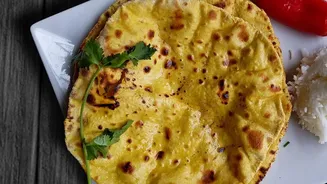
The final step is cooking the paratha on a tawa (a flat griddle). Heat your tawa over medium to medium_high heat. A very low heat will make the paratha hard, while excessively high heat can burn the outside before the inside is cooked. Place the rolled paratha on the hot tawa. Let it cook for about 30_60 seconds, or until you see small bubbles forming on the surface. Flip it over and cook the other side for another minute. Now, apply about half a teaspoon of ghee or oil to the top surface and flip it again. Gently press down on the paratha with a flat spatula, especially around its edges, to help it cook evenly and puff up. Apply ghee or oil to its other side as well. Continue to flip and cook until both sides are a beautiful golden brown with some crispy spots.