





The Science of the Golden Season
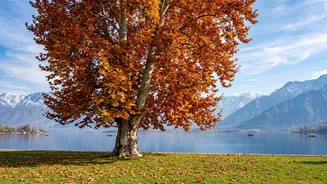
Autumn's spectacular colour show is a result of a natural chemical process. As days get shorter and temperatures drop, the green chlorophyll in leaves breaks down. This reveals the yellow and orange pigments (carotenoids) that were there all along. In
some trees, like the famed Chinar of Kashmir, cool nights trigger the production of new red and purple pigments (anthocyanins), creating a fiery display. This delicate balance of light and temperature is why timing your visit is so crucial; a week too early and the landscape is still green, a week too late and the ground is covered in fallen leaves.
North India: The Himalayan Crown
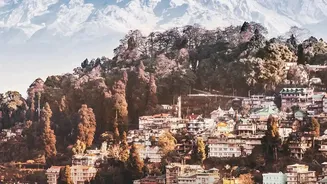
The Himalayas offer India’s most dramatic autumn spectacle. In Kashmir, known locally as 'Harud', the season runs from late September to mid-November. For the iconic crimson and gold Chinar trees, the second half of October is generally the peak. Places like Srinagar’s Mughal Gardens, Pahalgam, and Gulmarg become a photographer's dream. Further east, in Himachal Pradesh and Uttarakhand, autumn arrives with crystal-clear skies post-monsoon. Expect pleasant days and cool nights from October to November. In Himachal, destinations like Manali and Lahaul Valley see peak colours in October. In Uttarakhand, areas around Mussoorie and Nainital are best visited in late October for their mix of oak and deodar forests turning shades of amber and gold.
Northeast India: A Fiery Farewell
The Northeast offers a different, often later, autumn experience. In states like Sikkim and Arunachal Pradesh, the foliage season can extend well into November. The drive to Lachung and the famed Yumthang Valley in Sikkim offers breathtaking views of golden trees against a backdrop of snow-dusted peaks. The region's unique biodiversity means you'll see different hues than in the Western Himalayas. Travellers should note that visiting many parts of Arunachal Pradesh and North Sikkim requires an Inner Line Permit (ILP) or other official permissions, so it's essential to plan ahead.
South India: The Post-Monsoon Emerald
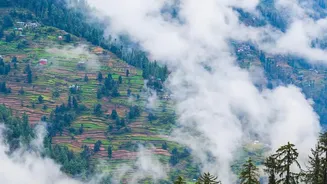
Autumn in the south isn't about fiery reds and oranges, but about a different kind of beauty: vibrant, post-monsoon green. After the rains subside around September, the Western Ghats in states like Kerala and Karnataka are exceptionally lush and verdant. This is the perfect time for hiking in the cool, misty hills of Munnar or Wayanad, with waterfalls at their peak and tea plantations looking their freshest. While there is a second, northeast monsoon that can bring rain in October and November, it is often characterized by shorter showers with sunny intervals, keeping the landscape brilliantly alive.
Weather and Packing Strategy
The biggest mistake is packing for a single climate. Autumn weather in India is a study in contrasts. While Kerala might be warm and humid, higher altitudes in Himachal or Kashmir can see night temperatures drop close to freezing, especially in November. In places like Shimla, October daytime temperatures can be a pleasant 15-22°C, but nights are chilly. The golden rule is to pack layers. A combination of breathable base layers, a fleece or light wool sweater, and a windproof outer jacket will serve you well in the mountains. For trips to Rajasthan or the plains, light cottons for the day and a warm shawl or jacket for the surprisingly cool evenings are essential. Always check the forecast right before you leave and be prepared for sudden changes, especially in hilly regions.