



The Legend of the Purple Flower
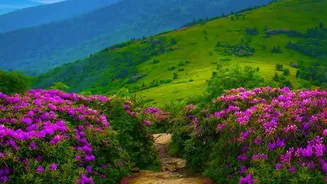
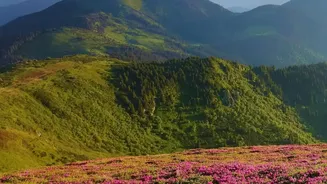
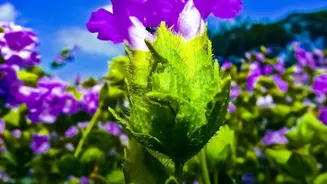
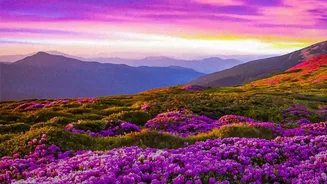
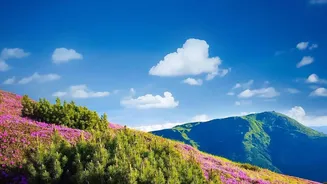
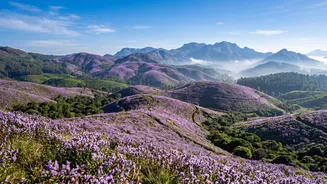
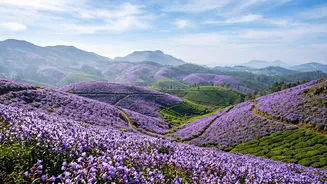
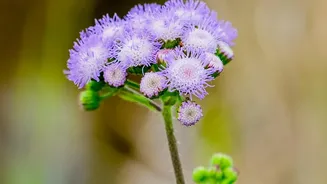
Once every 12 years, the rolling grasslands of the Western Ghats put on an extraordinary show. The Neelakurinji flower (Strobilanthes kunthiana), a shrub native to these high-altitude shola ecosystems, bursts into a synchronised, mass flowering, blanketing
entire hillsides in a breathtaking violet carpet. This rare spectacle is so iconic it gave the Nilgiri Mountains, or ‘Blue Mountains’, their name. The event draws hundreds of thousands of nature lovers, photographers, and travellers eager to witness a natural wonder that many only see a few times in their lifetime. For local communities like the Paliyan and Muthuvan tribes, the bloom is a cultural touchstone, historically used to mark the passage of time and calculate their age. After flowering gregariously, the plant sets seed and then dies, beginning the long 12-year wait all over again.
The Big Update: A Tale of Two Blooms
If you remember the last major Neelakurinji bloom in 2018 at Eravikulam National Park, you might be confused. Isn't the next one due in 2030? The answer is yes, but that's not the whole story. The “latest update” that has everyone talking is the emergence of a different bloom in September 2026. This is the crucial change: Munnar is home to several distinct populations of Neelakurinji, each on its own 12-year cycle. The current bloom is happening in a population that last flowered in 2014, making 2026 its scheduled year. This flowering is mainly concentrated in the Chokramudi hills and the Mattupetty-Korandakkad region, separate from the Eravikulam site. So while it is a genuine Neelakurinji bloom, it's a different event from the one that gained massive international attention in 2018.
Where to See the 2026 Bloom
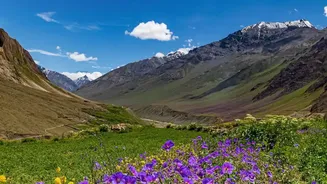
For those wanting to witness this year's spectacle, the focus is on two key areas. The first is Chokramudi Hills, a peak known for its stunning panoramic views. To manage the influx of visitors and protect the fragile habitat, authorities have established a designated viewing area, which opened to the public on August 24, 2026. The second primary location is the landscape around Korandakkad, near Mattupetty. These hills are also covered in the signature purple-blue flowers. The best time to visit is from late August through September, though the bloom may last into October, depending on the rains and local weather conditions. Unlike the sprawling carpet of 2018, this year's bloom is reported to be in beautiful, dense patches, offering a more intimate but equally stunning experience.
What's Changed: New Rules for Visitors
Learning from the overwhelming crowds of 2018, there are significant changes to how visitors can experience the bloom this year. Access is more regulated. At Chokramudi, there's a managed entrance with a visitor fee. Authorities are taking a firm stance on conservation. Neelakurinji is a protected plant, and plucking or damaging the flowers is strictly prohibited, with the Forest Department initiating legal action against offenders. The flowering zones are plastic-free areas, and visitors are urged to stay on designated trails to avoid trampling the delicate plants, which play a vital role in preventing soil erosion. The message is clear: enjoy the view and take photographs, but leave the ecosystem untouched for future generations.
Looking Ahead to the Grand 2030 Bloom
This 2026 flowering is a wonderful and unexpected opportunity for nature enthusiasts, but the main event is still on the horizon. The next mass flowering at the famed Eravikulam National Park, the largest of its kind, is on schedule for 2030. That event is expected to be on a much grander scale, attracting visitors from across the globe. The current bloom serves as both a beautiful preview and a crucial test run for managing sustainable tourism. By understanding the different cycles and respecting the conservation rules in place today, visitors can help ensure that the magic of the Neelakurinji continues for decades to come, culminating in the magnificent 'blue mountain' spectacle of 2030.