


The Classic We All Adore
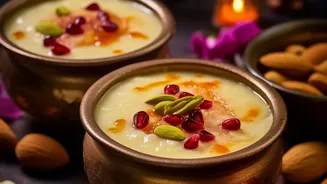
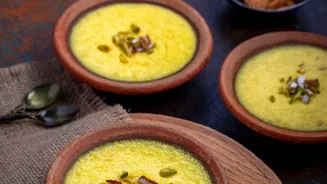
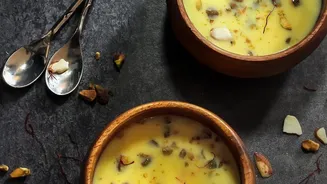
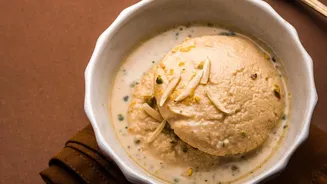
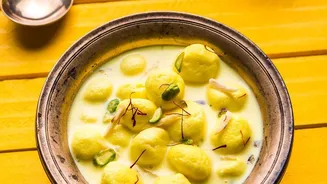
Rasmalai needs no introduction. It's the grand finale at celebrations and a comforting treat on any given day. The dessert is a masterpiece of textures and flavours, from the soft, spongy discs of chenna (freshly made paneer) to the rich, creamy milk
(rabri) delicately scented with saffron, cardamom, and rose water. The traditional method involves curdling milk to create chenna, kneading it until smooth, and then poaching the small discs in sugar syrup before they take a final, luxurious dip in the sweetened milk. This process results in a dessert that is light, spongy, and melts in your mouth. Its perfection is what makes the idea of altering it so intriguing.
An Unlikely Textural Hero: Sabudana
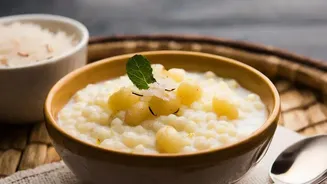
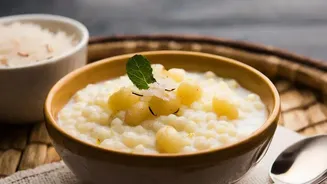
Enter sabudana, or tapioca pearls. A staple in Indian kitchens, sabudana is renowned for its versatility. We know it from the savoury khichdi and vada, often enjoyed during fasts, and the sweet, comforting kheer. Made from the starch of cassava root, these little pearls have a unique property: when soaked and cooked, they turn from opaque white orbs into soft, translucent, and slightly chewy gems. This distinct chewy-soft quality is precisely what makes sabudana an exciting addition to other dishes, providing a textural contrast that can elevate a familiar dish into something new.
The Marriage of Spongy and Chewy
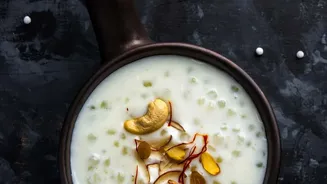
When you introduce soaked and cooked sabudana to rasmalai, you're creating a delightful textural interplay. Imagine the classic soft, milky chenna patties, but now they are joined by dozens of tiny, chewy pearls suspended in the creamy rabri. Each spoonful offers a more complex mouthfeel: the sponge of the rasmalai disc, the creaminess of the milk, and a bouncy, gelatinous bite from the sabudana. This concept is similar to a Sabudana Rabri, where tapioca pearls are cooked directly into the thickened milk. The pearls absorb the saffron and cardamom-infused milk, becoming flavourful jewels that add another dimension to the dessert without overpowering the main event. It's less of a reinvention and more of a creative enhancement.
How to Add Sabudana to Your Rasmalai
There are two main approaches to incorporating sabudana. The first and simplest way is to add it to the rabri. First, rinse about half a cup of sabudana until the water runs clear, then soak it in water for at least two hours, or until the pearls are soft. After your traditional rasmalai discs are made and your rabri is simmering, drain the soaked sabudana and add it to the milk. Cook on a low flame, stirring gently, until the pearls become transparent and soft when pressed. This can take 10-15 minutes. Then, you can gently add your pre-made chenna patties. A more inventive, viral method involves creating the 'rasmalai' balls directly from sabudana itself. This involves soaking the pearls, grinding them into a paste with milk powder and sugar, shaping them into balls, and then cooking them in the sweetened milk. This creates a dessert that is entirely gluten-free and has a uniform chewy texture.
Tips for Perfect Results
To ensure success, keep a few things in mind. Use small to medium-sized sabudana pearls for a delicate texture. Soaking is a crucial step; properly soaked pearls cook faster and more evenly, preventing a hard or chewy centre. When adding the sabudana to the milk, maintain a low to medium heat and stir occasionally to prevent sticking and ensure the milk doesn't curdle. Be careful not to overcook the pearls, as they can break down and make the rabri overly starchy. The goal is for them to be soft and translucent, but still distinct. Finally, remember that the rabri will thicken as it cools, so it's best to stop cooking when it's slightly thinner than your desired final consistency.