

A New Foundation of Balance
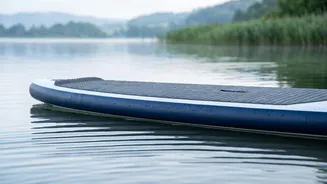
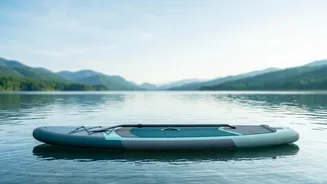
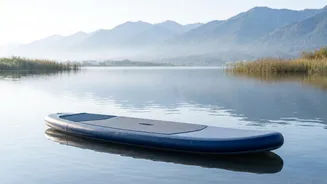
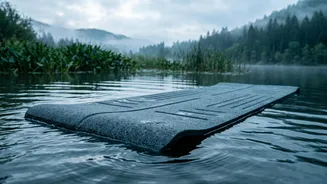
The most significant shift in practicing yoga on a floating board is the unstable surface. On land, the ground provides unwavering support. On water, the board is in constant, subtle motion, creating a dynamic environment that challenges your stability
with every breath and movement. This instability isn't a drawback; it is the core benefit. It forces your body to make thousands of micro-adjustments to maintain balance, engaging small, stabilizing muscles that are often overlooked in a conventional practice. This constant recruitment of muscles enhances your proprioception—your body's innate sense of its position in space—making you more agile and coordinated both on and off the board.
Your Core Works Overtime
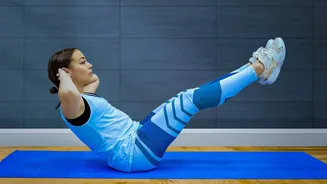
While all yoga engages the core, SUP yoga elevates it to a new level. To hold any pose, from a simple seated position to a more complex Warrior II, you must constantly activate your core muscles to stay centered and prevent the board from tipping. Your transverse and rectus abdominals, obliques, and lower back muscles work in harmony to create a solid foundation. This continuous engagement results in a more profound core workout than you would get on solid ground. Every wobble, every ripple of water, and every transition between poses becomes an opportunity to build functional strength in the very centre of your body.
Mindfulness Becomes a Necessity
On a yoga mat, it can be easy for the mind to wander. On a paddleboard, a lapse in concentration can quickly lead to an unplanned dip in the water. This immediate feedback gently forces a state of heightened mindfulness. You must be fully present, connecting your breath to your movements with intense focus to maintain your balance. This requirement to stay in the moment strips away external distractions and internal chatter, creating a powerful meditative experience. The practice becomes less about achieving the 'perfect' pose and more about the feeling of being centered and aware.
Adapting Poses for the Water
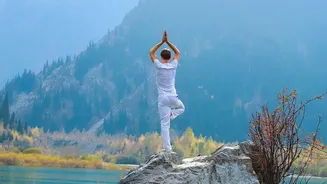
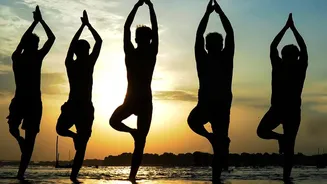
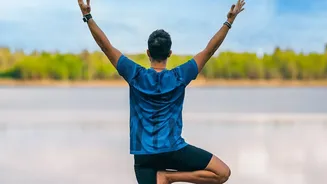
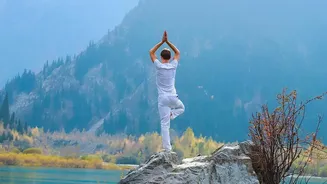
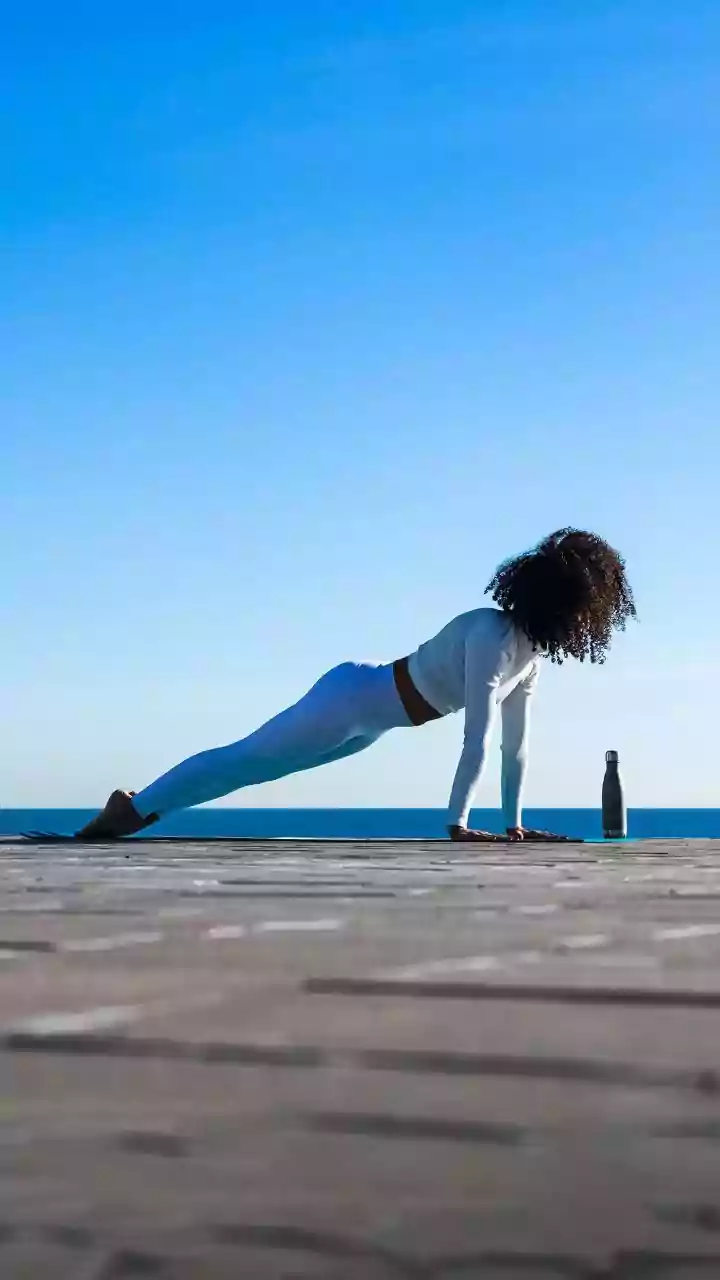
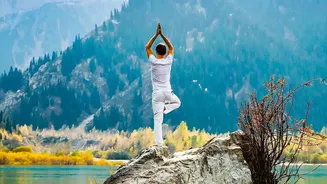
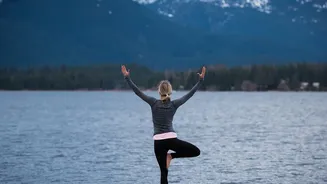
Not every yoga pose translates perfectly to a floating board, and that's part of the journey. The practice encourages a beginner's mindset, even for seasoned yogis. Poses are often modified to create a lower centre of gravity and a wider base of support. Beginners typically start with foundational poses like Cat-Cow, Downward-Facing Dog, and seated postures like Child's Pose to get a feel for the board. As confidence grows, standing poses like Warrior II become an achievable challenge. The ultimate test of balance and focus comes with poses like Tree Pose or Crow Pose, which demand incredible stability and concentration on the water.
Connecting with the Natural World
Beyond the physical and mental benefits, practicing yoga on water offers a profound connection to nature. Swapping a studio's four walls for the open sky, fresh air, and the gentle sound of lapping water has a deeply calming effect. The final resting pose, Savasana, becomes a unique experience of bliss as you lie back, rocked gently by the water with the sun on your skin. This immersion in a natural environment is known to reduce stress and boost your mood, adding another layer of therapeutic value to the practice. It’s not just a workout; it becomes a holistic experience that rejuvenates the spirit.