





Mint (Pudina)
Mint is arguably one of the easiest and most rewarding herbs to grow. Its vibrant green leaves cascade beautifully over the side of a pot, adding a touch of lushness to a windowsill or countertop. The fresh, uplifting aroma alone is a reason to keep it,
but its culinary uses are endless. It thrives in moist soil and prefers a spot with morning sun and some afternoon shade. Whether you're making a refreshing chutney, garnishing a biryani, or brewing a simple mint tea, having a fresh supply on hand is a game-changer. Mint grows vigorously, so it's best to keep it in its own container to prevent it from taking over other plants.
Holy Basil (Tulsi)
A staple in many Indian households for cultural and medicinal reasons, Tulsi is also a wonderfully aromatic and decorative plant. Its slender, elegant stems and delicate leaves look beautiful in a traditional terracotta pot. There are several varieties, like Rama Tulsi and Krishna Tulsi, each with a slightly different appearance and flavour profile. Tulsi requires at least four to six hours of sunlight and well-drained soil. Beyond its use in therapeutic teas and kadhas for coughs and colds, the leaves can impart a unique, peppery flavour to certain dishes. Its presence adds a serene and fragrant quality to the kitchen environment.
Coriander (Dhania)
No Indian kitchen is complete without a steady supply of fresh coriander. While it can be tricky to keep store-bought bunches fresh, growing your own is surprisingly straightforward. Its delicate, feathery leaves add a soft texture and bright green hue to your kitchen garden. For best results, lightly crush the seeds before sowing to improve germination. Coriander prefers cooler weather and at least four to six hours of sun daily. Keep the soil consistently moist but not waterlogged. You can start harvesting the outer leaves in just a few weeks, ensuring the inner leaves continue to grow for a continuous supply for garnishing dals, curries, and salads.
Curry Leaf Plant (Kadi Patta)
The glossy, dark green leaves of the Kadi Patta plant make it a handsome addition to a sunny balcony or kitchen window. Essential for tempering dishes in South and West Indian cuisine, its unique aroma is released the moment it hits hot oil. This plant grows into a small shrub and needs a deep pot with good drainage to accommodate its root system. It loves warmth and at least six hours of sunlight. While it grows slowly, a well-cared-for plant will provide you with aromatic leaves for years. Water it deeply, but allow the soil to dry out between waterings to prevent root rot.
Rosemary
With its needle-like leaves and woody stems, rosemary looks like a miniature pine tree, offering a distinct and sophisticated decorative element. Its piney, fragrant aroma freshens up the air, and a single sprig can infuse roasted vegetables, meats, and breads with incredible flavour. This Mediterranean herb loves dry conditions and plenty of sunlight, making it a good choice for a sun-drenched spot. It’s crucial not to overwater rosemary; let the soil dry out completely between waterings. Its sturdy structure makes it a beautiful and low-maintenance ornamental edible.
Cherry Tomatoes
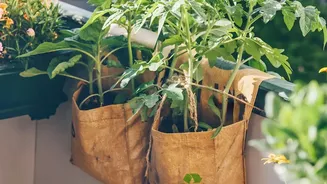
For a pop of vibrant colour and the reward of homegrown fruit, nothing beats a cherry tomato plant. Compact or bush varieties are perfect for containers on a sunny balcony or near a window that gets at least six hours of direct sun. Watching the bright red tomatoes ripen against the green foliage is a delight. Use a large pot, at least 12 inches deep, to give the roots enough space. Freshly plucked cherry tomatoes are incredibly sweet and perfect for salads, pastas, or just as a healthy snack. They bring a cheerful, productive vibe to any space.