
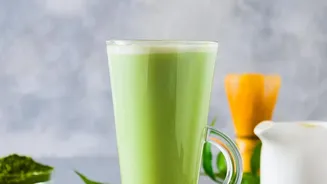
A Green Wave of Digital Curiosity
There’s no denying that India is curious about matcha. Recent Google Trends data shows a massive spike in interest. Searches for 'how to make matcha' surged by a staggering 1,300% over the past year. Related queries like 'what is matcha' and 'what does
matcha taste like' have also seen significant increases, with the latter experiencing breakout interest in August 2026. This curiosity is most pronounced in urban hubs like Delhi, Goa, and Chandigarh. The trend is driven by a broader shift toward wellness, with searches for 'matcha health' and 'matcha protein' rising dramatically. Consumers are clearly intrigued by its promise as a healthy, aesthetically pleasing alternative to their usual beverages, fueling a wave of online exploration that has made matcha a digital phenomenon.
From Clicks to Sips: A Widening Gap
The core of the issue lies in a simple question: does a search query equal a sale? For premium products like matcha, the answer is often no. The data points to a population actively seeking information, but industry experts suggest a gap between this initial interest and routine consumption. This is the difference between aspirational searching and purchase intent. While someone might be curious about matcha's benefits or its 'Instagrammable' nature, several real-world barriers prevent them from making it a daily habit. The online search data is a powerful indicator of awareness and intrigue, but it doesn't capture the final, crucial step of repeat purchases that defines a true market shift.
The Hurdles: Price and Palate
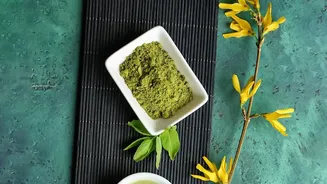
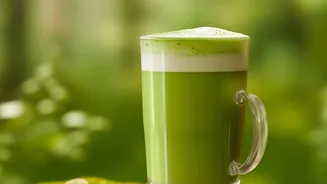
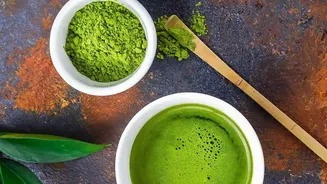
Two of the biggest obstacles for matcha in India are its price and taste. Genuine culinary-grade matcha can cost anywhere from ₹600 to ₹900 for a small 30g tin, with ceremonial grade being significantly more expensive. Compared to a cup of chai, which costs ₹8-20, or even filter coffee, the per-cup cost of matcha at home (around ₹25-50) is a considerable jump for the average consumer. Then there is the flavour. Matcha possesses a distinct umami, or savoury, taste that can be vegetal and slightly bitter. For a palate accustomed to the sweet, milky, and spicy notes of masala chai, this can be an acquired taste. While cafes often soften the flavour with milk and sugar in lattes, the authentic experience can be jarring for newcomers.
A Ritual in a Modern Rush
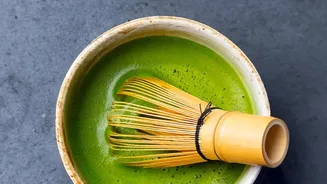
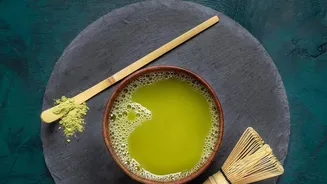
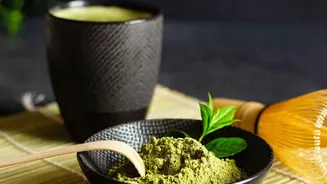
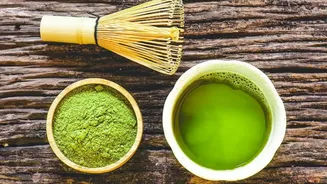
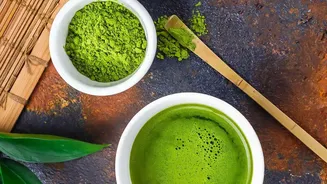
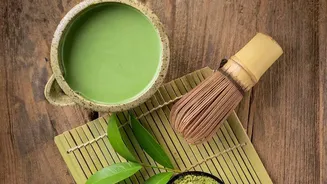
Unlike instant coffee or a quickly brewed cup of chai, traditional matcha preparation is a ritual. It involves specific tools, including a bamboo whisk ('chasen') and a special bowl ('chawan'). Searches for these items are indeed growing, suggesting a dedicated group of enthusiasts are embracing the home ritual. However, for the majority of busy urban professionals, this multi-step process can feel like a chore rather than a moment of zen. This mismatch between a time-honoured ritual and a fast-paced modern lifestyle is a significant barrier to widespread adoption. The convenience of familiar beverages remains a powerful advantage that matcha has yet to overcome in the mainstream market.
The Future is Blended
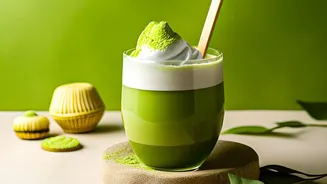
Despite these challenges, the matcha market in India is growing, with some reports projecting a market value of over $160 million by 2030. The key to unlocking its potential seems to lie in adaptation. Brands and cafes are finding success by not forcing the traditional Japanese experience, but by integrating matcha into familiar formats. We see this with the rising interest in 'mango matcha' and 'strawberry matcha'. Others are incorporating it into desserts like panna cotta or French toast to introduce the flavour gently. Even Indian tea estates in Assam have begun commercial production, creating a local variant that may be more suited to the Indian palate. The future of matcha in India may not be as a direct replacement for chai or coffee, but as a versatile ingredient that finds its own unique space in the nation's diverse culinary landscape.