









The Persistent Problems with Paddy
For many farmers across India, the traditional rice-wheat cycle is becoming a trap. In states like Punjab, decades of intensive paddy cultivation have led to an alarming decline in the groundwater table. This forces farmers to dig deeper wells, increasing
costs and energy consumption. Beyond the environmental strain, there are pressing economic challenges. The cost of manual labour for transplanting paddy seedlings has surged, and finding enough workers during peak season is a growing struggle. Irregular rainfall and a heavy reliance on chemical fertilisers and pesticides further squeeze profit margins, leaving many farmers seeking a more sustainable and financially rewarding path. The guaranteed Minimum Support Price (MSP) for paddy often keeps farmers locked into this cycle, even as profitability dwindles.
One Farmer's Pivot to Petals
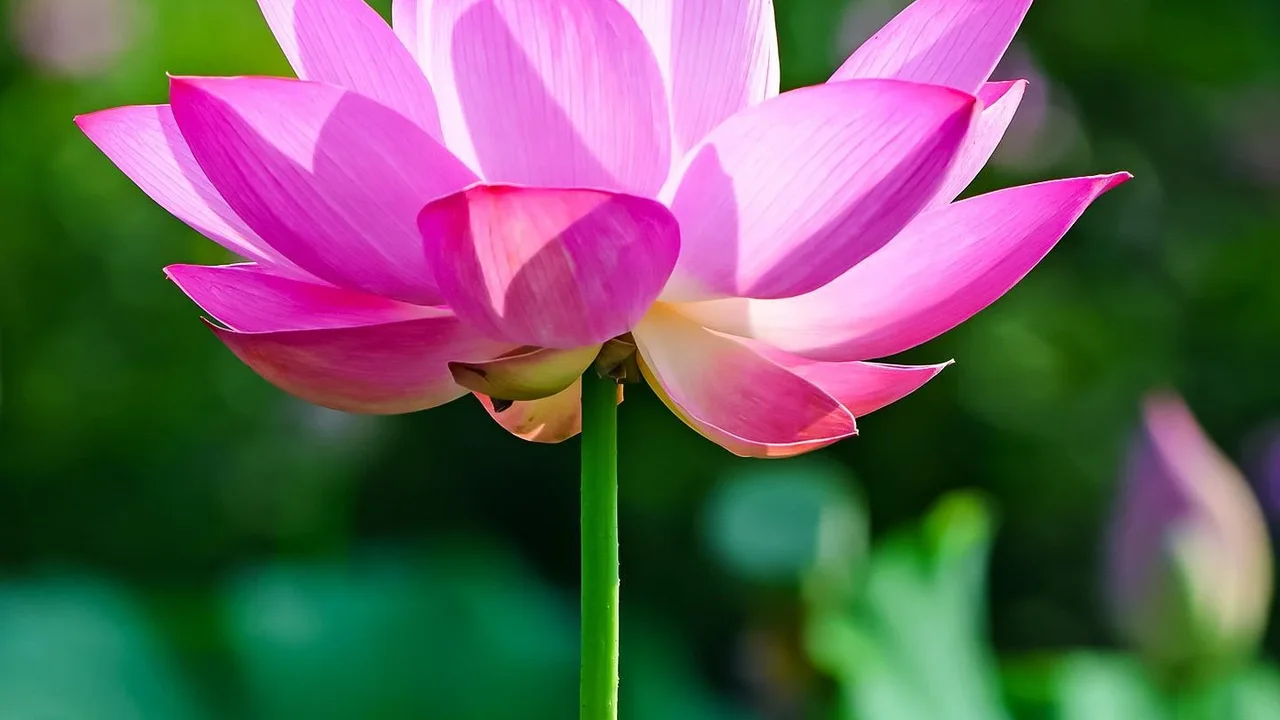
Manohar Shetty, a farmer from Uliyaragoli in Karnataka’s Udupi district, was intimately familiar with these struggles. After years of cultivating paddy across 15 to 20 acres, he found that rising labour costs and unpredictable weather were making the crop difficult to sustain. Rather than accept diminishing returns, Shetty began researching alternatives. He read about the success of lotus farming in other parts of Karnataka and decided to investigate. After dedicating nearly three months to studying the aquatic crop, he started with a small trial on his own land. The initial results were so encouraging that he made a bold decision: to convert his entire paddy field into a sprawling lotus pond. His venture is now being seen as a viable new income source for farmers in the coastal region grappling with similar issues.
The Blooming Business Case
The switch from paddy to lotus proved to be a game-changer for Shetty. He now grows lotus flowers organically and earns up to Rs 1 lakh a month. The crop, which is ready for harvest in just three to four months, offers multiple revenue streams that paddy cannot match. Shetty primarily supplies his flowers to local temples, where there is constant demand for ritual offerings. But the economic potential of the lotus doesn't end with its iconic flower. The stem, known as 'bhey', is a popular vegetable in many parts of India. The seeds can be processed into 'makhana' or fox nuts, another high-value product. Even the leaves have uses. This multi-product potential drastically reduces risk and increases the overall profitability per acre, with some farmers reporting earnings of over Rs 2 lakh per acre annually from the combined sales of stems and seeds.
A Spreading Trend Across India
Manohar Shetty's success is not an isolated incident. Across the country, farmers are discovering the benefits of turning to this aquatic crop. In the Ferozepur district of Punjab, farmers have converted hundreds of acres into lotus fields, transforming the agricultural landscape and significantly boosting their incomes. They have found a ready market for lotus stems, supplying traders as far away as Mumbai. In Thrissur, Kerala, two farmers have begun large-scale lotus cultivation on 25 acres of polder land that had been lying fallow due to waterlogging, making it unsuitable for rice. Their primary business is supplying flowers to temples across Kerala, and the local panchayat is even incorporating the beautiful pink fields into a new tourism project. These examples show how lotus farming can be adapted to different regional needs, whether it's utilising waterlogged land or tapping into local tourism.