



The Science of the Stain
Those dreaded yellow marks are not caused by sweat itself, which is nearly colourless. The stain is the result of a chemical reaction between the ingredients in your antiperspirant and the proteins and salts found in your sweat. The primary ingredient responsible
is aluminum. Antiperspirants use aluminum compounds to block sweat ducts, which reduces wetness. When these aluminum salts mix with your sweat, they create a new compound that chemically bonds to fabric fibres. Over time, this buildup oxidizes and turns yellow, becoming more noticeable and harder to remove with each wash cycle.
Antiperspirant vs. Deodorant
It's important to understand the difference between antiperspirants and deodorants, as they perform different functions. Antiperspirants are designed to stop or reduce sweating by using aluminum compounds to form temporary plugs in your sweat glands. Deodorants, on the other hand, do not block sweat; they work by neutralizing the odour produced when sweat interacts with bacteria on your skin. While some deodorants containing oils or powders can cause residue, they are far less likely to create the deep-set yellow stains associated with aluminum-based products. If a product is labelled as an "antiperspirant deodorant," it contains aluminum and can contribute to staining.
How to Prevent Yellow Stains
Prevention is the most effective strategy for saving your shirts. The single most important step is to let your antiperspirant dry completely before getting dressed. Applying it and immediately pulling on a shirt transfers the wet product directly to the fabric. Waiting just one to two minutes for it to absorb can make a huge difference. Also, resist the urge to over-apply; a thin, even layer is all you need for protection. Some people find success by applying antiperspirant at night. Your body temperature is lower and you sweat less while you sleep, giving the product ample time to absorb and become effective by morning without touching your clothes.
Choosing the Right Product
If staining is a persistent issue, consider switching products. An aluminum-free deodorant is the most direct way to eliminate the main cause of yellow stains. However, if you rely on an antiperspirant for sweat control, look for formulas that are designed to go on clear or specifically marketed as non-staining. Gel or spray formulas tend to leave less visible residue than solid white sticks, though any product containing aluminum still carries some risk of yellowing over time. You can also try wearing a lightweight undershirt, which acts as a physical barrier between your product-treated skin and your outer shirt.
Removing Existing Stains
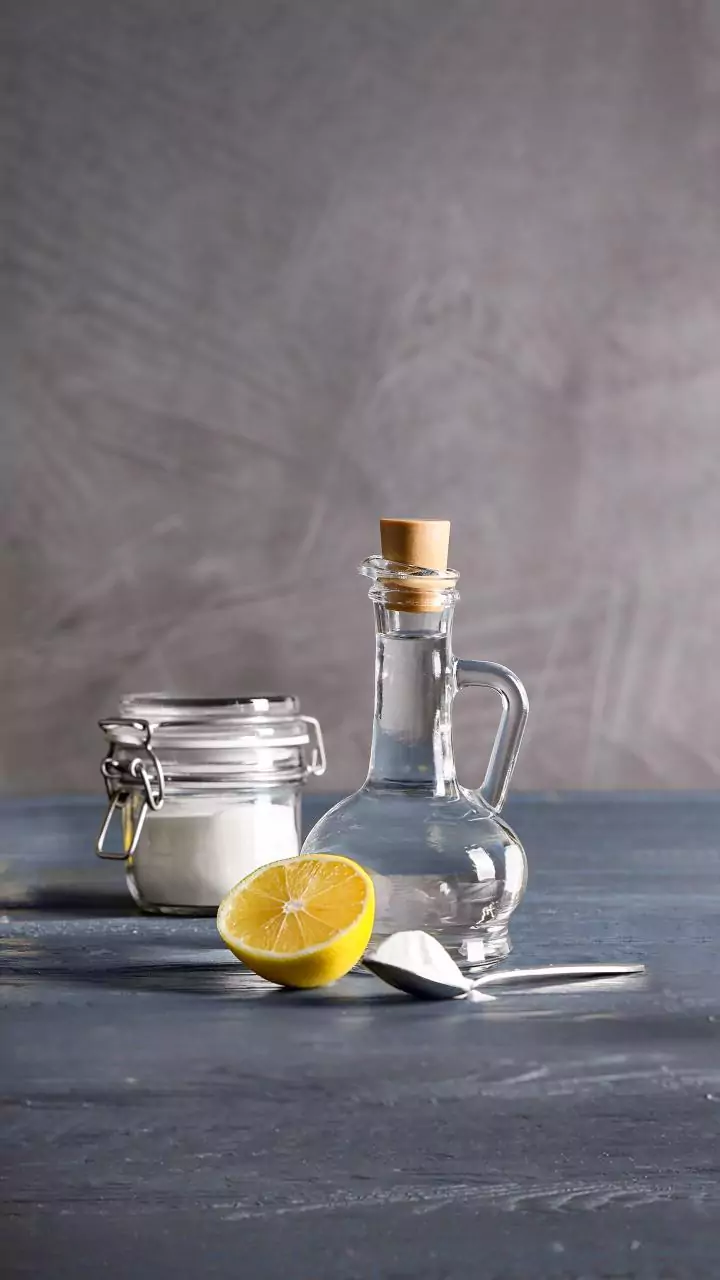
For shirts that are already stained, don't despair. The key is to pre-treat the area before washing. One effective home remedy is to create a paste from equal parts baking soda, hydrogen peroxide, and water. Gently rub this mixture into the stained area and let it sit for at least an hour before laundering as usual. Another option is to spray the stain with a solution of equal parts white vinegar and water and let it soak before washing. For tougher, set-in stains, an enzymatic laundry detergent can be particularly effective, as it's designed to break down the proteins that cause the discoloration. Avoid using chlorine bleach, as it can react with the aluminum and protein residue and make the yellow stain even more prominent.