








A New Vision for Railway Stations
Indian Railways has launched a major initiative to redevelop and modernise its stations, with a special focus on celebrating India's rich heritage. At the heart of this is the Amrit Bharat Station Scheme, a long-term plan to upgrade more than 1,300 stations across
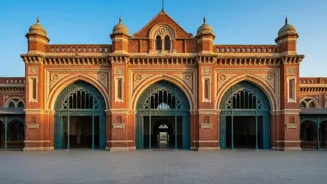
the country. The core idea is to move beyond functional upgrades and turn each station into a 'city centre' that reflects the unique cultural fabric of its location. Rather than imposing a uniform design, the architecture of each redeveloped station will be inspired by local art, history, and building styles. This means a station in Rajasthan might echo palatial designs, while one in Tamil Nadu could feature elements of temple architecture. The goal is to make these transport hubs a source of local pride and a welcoming gateway for visitors.
More Than Just a Makeover
The redevelopment goes far beyond a fresh coat of paint. The plan involves a complete overhaul of passenger amenities and infrastructure. Travellers can expect to see modernised waiting halls, cleaner platforms, improved lighting, and better accessibility for differently-abled passengers. Many stations will feature new additions like escalators, free Wi-Fi, food courts, and even dedicated play areas for children. The scheme also focuses on integrating the station with the city itself. This includes widening approach roads, creating dedicated pedestrian pathways, improving parking facilities, and ensuring seamless connections to other modes of transport like buses and metros. By redesigning the flow of people, the project aims to create smoother, more comfortable, and efficient travel experiences for millions.
Spotlight on Local Artisans and Heritage
A key feature of this initiative is the promotion of local culture and economy. The “One Station One Product” scheme is being integrated into the redevelopment, providing dedicated kiosks for local artisans to showcase and sell their products. This gives travellers a chance to buy authentic regional items, from handicrafts and textiles to local food products, directly supporting the community. For stations with significant historical value, the redevelopment is being handled with extra care. In a balancing act between preservation and modernisation, railways officials are working to upgrade facilities without compromising the heritage character of the buildings. For instance, at historic locations like Lucknow's Charbagh station, new structures are designed to match the original architectural theme.
Celebrating 103 Cultural Gateways
While the larger scheme covers over a thousand stations, a significant milestone was the recent inauguration of 103 redeveloped stations across 18 states. This first major batch highlights the project's national scale, with stations in Uttar Pradesh, Gujarat, Maharashtra, and Tamil Nadu seeing major upgrades. Examples of culturally inspired designs are already taking shape. Ahmedabad's station is set to draw inspiration from the Modhera Sun Temple, while Dwarka's design will reflect the famous Dwarkadheesh Temple. In Tamil Nadu, the influence of Chola architecture will be visible at Kumbakonam station. Even smaller stations, from Haibargaon in Assam to Bagalkot in Karnataka, have been transformed with modern facilities that incorporate regional identity. This diverse list underscores the commitment to a tailored approach, ensuring each station tells its own unique story.