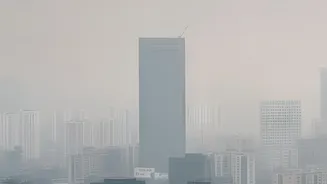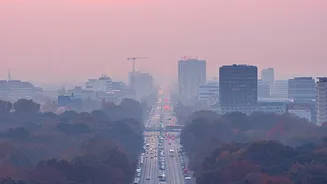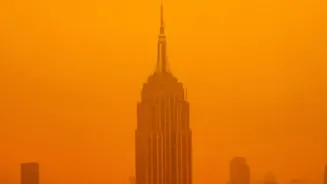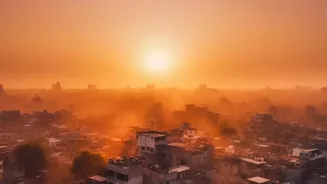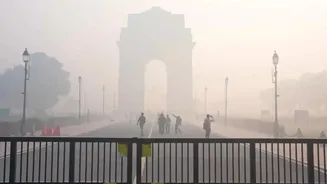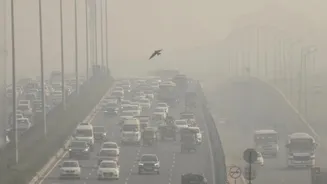






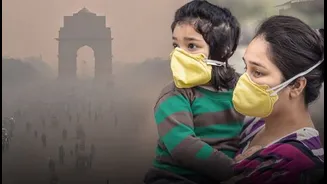
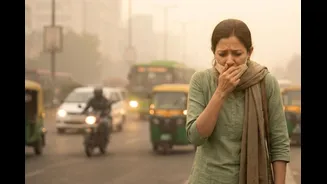

As a thick, toxic smog blankets Delhi, air quality has plummeted to 'very poor' and 'severe' levels, prompting urgent warnings from medical experts. This is what you need to know about the immediate health dangers and how to keep yourself safe.
Grasping the 'Very Poor' Reality
Delhi’s
air quality has once again taken a dangerous turn this November. As of November 12, the city's Air Quality Index (AQI) is fluctuating between the 'very poor' (301-400) and 'severe' (401-500) categories. An AQI in the 'very poor' range can lead to respiratory illness on prolonged exposure, while 'severe' levels affect even healthy people and seriously impact those with existing diseases. Fine particulate matter, known as PM2.5, is the lead pollutant. These microscopic particles are small enough to penetrate deep into the lungs and enter the bloodstream, posing a significant health risk. Doctors from leading hospitals like AIIMS have expressed alarm, noting that even healthy young individuals are now reporting respiratory issues due to the toxic air.
Recognising the Warning Signs
The health effects of the smog can appear within hours or days of exposure. Medical professionals are reporting a surge in patients with respiratory complaints. Common immediate symptoms include a persistent dry cough, a scratchy or irritated throat, and watering or red eyes. Many people are also experiencing shortness of breath, wheezing, and a feeling of tightness in the chest. Headaches, unusual fatigue, and dizziness can also occur as the body contends with the pollutants. For those with pre-existing conditions like asthma or Chronic Obstructive Pulmonary Disease (COPD), this weather can trigger severe flare-ups, often requiring more frequent use of inhalers and medical attention.
Who Is Most at Risk?
While the hazardous air affects everyone, some groups are far more vulnerable. Children are at high risk because their lungs are still developing, and they breathe more air relative to their body weight. The elderly, especially those with underlying health issues, are also in significant danger. People with pre-existing respiratory conditions like asthma and bronchitis, as well as those with cardiovascular diseases such as hypertension, face an elevated risk of acute events. Pregnant women and outdoor workers, including traffic police and construction labourers, are also among the most exposed and vulnerable populations.
The Causes Behind the Haze
This November's smog is a result of a toxic cocktail of factors. Emissions from vehicles, industries, and construction dust form the baseline pollution throughout the year. This is acutely worsened in winter by smoke from post-harvest stubble burning in neighbouring states. The situation is compounded by meteorological conditions. Low wind speeds and a phenomenon called temperature inversion, where a layer of warm air traps cooler, pollutant-laden air close to the ground, prevent the smog from dispersing. The recent Diwali festival, despite restrictions, also saw the use of firecrackers, which contributed significantly to the spike in PM2.5 levels.
How to Protect Yourself Indoors
Since you will be spending more time indoors, improving your home's air quality is critical. Keep windows and doors shut, especially during peak pollution hours in the early morning and late evening. Use a good quality air purifier with a High-Efficiency Particulate Air (HEPA) filter, particularly in the bedroom where you spend a significant amount of time. Avoid activities that add to indoor pollution, such as burning incense or mosquito coils. When cleaning, prefer wet mopping over dry sweeping to prevent settled dust from becoming airborne again.
Staying Safe if You Must Go Out
Authorities and doctors strongly advise limiting outdoor exposure. Avoid morning walks, jogging, or any strenuous outdoor exercise, as this increases the volume of pollutants you inhale. If you absolutely must step out, wear a well-fitted N95 or FFP2 mask, as cloth and surgical masks offer little protection against PM2.5 particles. Try to plan your errands for the afternoon, when pollution levels may be relatively lower, but always check the real-time AQI for your specific area before leaving home. Symptoms like persistent coughing, breathlessness during routine activities, or chest discomfort should not be ignored; seek medical advice promptly.