


The 'Why' Behind Slow and Steady
The founder of Pilates, Joseph Pilates, originally named his method "Contrology," which speaks volumes about its core tenet. The entire system is built on principles like concentration, control, and precision. The goal isn't to perform as many repetitions
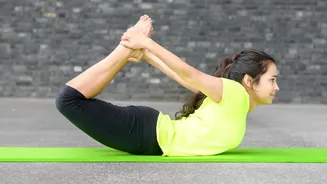
as possible, but to execute each movement with intention and full muscular control. This deliberate pace fosters a powerful mind-body connection, forcing you to be present and aware of how your body is moving. By slowing down, you eliminate momentum and instead rely on your muscles to perform the work, which is the entire point. This mindful approach transforms the workout from a series of robotic motions into a focused, meditative practice.
Quality Over Quantity for Real Results
Moving slowly and with precision leads to better muscle activation. It ensures you engage the correct muscles, particularly the deep stabilizing muscles of your core, which Joseph Pilates called the "powerhouse." Rushing often leads to using momentum or compensating with larger, incorrect muscle groups, which not only makes the exercise less effective but also increases the risk of injury. Controlled movements performed correctly build balanced strength and endurance throughout the body. This focus on form ensures that every repetition is meaningful, leading to greater strength gains, improved posture, and increased flexibility over time. A few perfectly executed reps are far more beneficial than many sloppy ones.
Common Mistakes Born from Speed
When the focus is on speed, several common errors creep into practice. One of the first casualties is breath. Many people hold their breath when concentrating or moving quickly, which creates unnecessary tension. Proper Pilates breathing, in contrast, helps activate the core and gives rhythm to the movement. Another frequent mistake is tensing the shoulders up toward the ears, which happens when the core isn't properly engaged and the upper body tries to compensate. Rushing also leads to poor alignment, like arching the lower back or failing to maintain a neutral spine, putting undue stress on the joints. By slowing down, you give yourself the mental and physical space to correct these habits before they become ingrained.
How to Refine Your Practice
To get the most out of your Pilates session, start by shifting your mindset. Before each exercise, take a moment to reset. Engage your core by imagining you are gently tightening a corset around your waist, lengthen your spine, and relax your shoulders away from your ears. Match your breath to the movement, typically exhaling on the effort and inhaling on the return. If you're using equipment like a Reformer, listen to the machine. A quiet apparatus is a sign of control; clunks and bangs often mean you're moving too fast or without control. Don't be afraid to reduce the spring resistance if you can't maintain form. Most importantly, listen to your body and focus on what you feel, not just what you are doing. The goal is progress, not perfection.