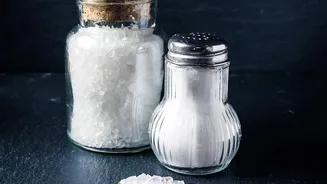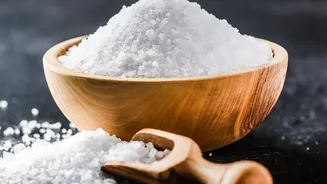





The Problem: India's High Salt Intake
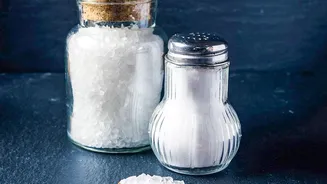
Excess salt consumption is a major public health issue in India. Estimates show that the average Indian consumes 8 to 11 grams of salt per day, which is nearly double the World Health Organization's (WHO) recommended limit of 5 grams. This high sodium
intake is a primary driver of hypertension, or high blood pressure, which affects a staggering 199 million people in the country. High blood pressure, in turn, is a leading risk factor for cardiovascular diseases like heart attacks and strokes, contributing to an estimated 175,000 deaths in India each year. Since nearly 80% of this sodium comes from salt added during home cooking, household-level changes are seen as the most effective way to address the problem.
The Proposal: What is Lower-Sodium Salt?
In response to this crisis, leading medical and public health experts in India have put forward a recommendation to promote the use of lower-sodium salt substitutes (LSSS), also known as potassium-enriched salt. These are not salt-free products, but rather reformulated salts where a portion of the sodium chloride (typically 25-30%) is replaced with potassium chloride. The result is a product that looks, tastes, and can be used in cooking just like regular table salt, making it a simple, 'passive' intervention that doesn't require people to sacrifice flavour. The idea is to tackle two problems at once: reducing the intake of harmful sodium while increasing the intake of beneficial potassium.
The Evidence: Lower Blood Pressure and Fewer Strokes
The proposal is backed by a growing body of strong scientific evidence. The landmark Salt Substitute and Stroke Study (SSaSS), a massive trial involving nearly 21,000 people, provided powerful results. Participants who used the potassium-enriched salt saw a 14% reduction in strokes, a 13% reduction in major cardiovascular events, and a 12% reduction in overall mortality compared to those using regular salt. A specific randomized controlled trial conducted in rural India also demonstrated that using these salt substitutes led to a significant reduction in systolic blood pressure among adults with hypertension. Based on such findings, global modeling studies have estimated that a nationwide switch in India could prevent hundreds of thousands of deaths annually.
How Does It Work?
The dual-action mechanism is key to the effectiveness of lower-sodium, potassium-enriched salt. Consuming too much sodium causes the body to retain water, which increases blood volume and raises blood pressure. At the same time, most people do not get enough dietary potassium, a mineral that helps relax blood vessels and encourages the body to excrete excess sodium. By replacing some of the sodium with potassium, these salt substitutes simultaneously address both the high sodium and low potassium intake issues that are common in the Indian diet. This simple dietary swap helps restore a healthier mineral balance, reducing strain on the cardiovascular system.
Are There Any Risks or Downsides?
For the general population, potassium-enriched salt is considered safe. However, there is a specific and manageable risk for a small group of people. Individuals with advanced chronic kidney disease may not be able to excrete potassium effectively, leading to a potentially harmful buildup of the mineral in their blood, a condition known as hyperkalemia. For this reason, experts recommend that people with advanced kidney disease, those on specific medications like potassium-sparing diuretics, or those already taking potassium supplements should avoid these salt substitutes unless advised otherwise by a doctor. However, experts emphasize that for the vast majority of the population, the benefits far outweigh these limited and manageable risks.