






A Long-Awaited Return
For nearly two decades, from the late 1980s until 2007, fresh Indian mangoes were banned from the United States. The reason was phytosanitary concerns—specifically, the risk of introducing non-native pests like fruit flies into the U.S. ecosystem. While
a massive loss for American fans of the fruit and Indian farmers alike, the ban highlighted the stringent agricultural standards required for market access. For growers in India, this meant a key, high-value market was completely shut off, limiting their exports to other regions and capping their earning potential. The journey to overturn this ban required years of persistent negotiation between agricultural and trade officials from both nations.
The Breakthrough Agreement
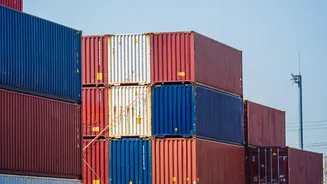
The pivotal change came in 2007, when the U.S. Department of Agriculture granted market access after a mutually agreed-upon protocol was established. This wasn't just a simple policy change; it was a comprehensive framework built around one key process: irradiation. To eliminate pest risks, all mangoes destined for the U.S. had to undergo this treatment at a certified facility in India before being shipped. This pre-clearance program meant that once the mangoes landed in the U.S., they would not face the same level of scrutiny, streamlining their entry. More recent trade discussions, such as the 2021 India-U.S. Trade Policy Forum, have continued to build on this foundation, further easing trade. In early 2026, a broader trade deal framework promised zero tariffs on many Indian agricultural exports to the US, including mangoes, providing even greater stability and predictability for farmers.
From Orchard to American Tables
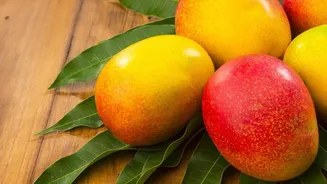
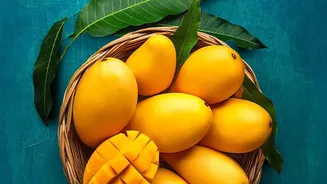
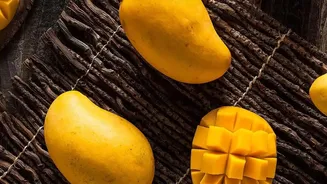
For a farmer, this new process translated into a direct, albeit complex, path to a lucrative market. It begins with cultivating sought-after varieties like Alphonso, Kesar, and Banganapalli. Instead of just selling to local markets, farmers targeting U.S. exports now work with certified exporters who manage the logistics. After harvest, the mangoes are transported to one of the few approved irradiation facilities. This added step increases costs but is the essential key to unlocking the American market. The process ensures that each fruit meets the exacting standards of the USDA, guaranteeing both safety and quality for consumers who are willing to pay a premium for these prized varieties.
The Sweet Taste of Success
The results of this renewed trade have been nothing short of spectacular. India’s fresh mango exports to the United States surged by an incredible 130% in a single fiscal year, jumping from $4.36 million in FY2022-23 to over $10 million in FY2023-24. The trend has continued, with exports in mid-2026 already on track to surpass the previous year’s volumes by more than 30%. This boom isn't just about volume; it's about value. Prized varieties like the GI-tagged Alphonso now see the U.S. as their largest destination by export value. This high demand, especially among the Indian diaspora, has created a 'mango mania' in some US cities, with shipments selling out in hours and prices reflecting the fruit's status as a luxury good. This direct economic injection provides higher and more stable incomes for the growers and everyone involved in the supply chain.
Future Growth and New Opportunities
The success story is far from over. The Agricultural and Processed Food Products Export Development Authority (APEDA) has been actively promoting Indian mangoes in major US cities, aiming to broaden their appeal beyond the diaspora community. Officials are optimistic that with this expanded outreach, India's overall mango exports could double in the next couple of years. While challenges like rising air freight costs remain, the fundamental structure of the trade agreement has created a reliable and growing revenue stream. For Indian mango growers, what was once a distant dream has become a tangible and profitable reality, demonstrating how targeted trade policy can cultivate prosperity from the ground up.