


A Familiar Shape, A Different World
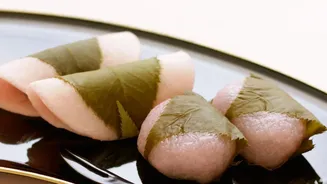
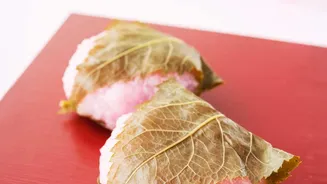
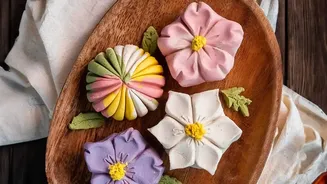
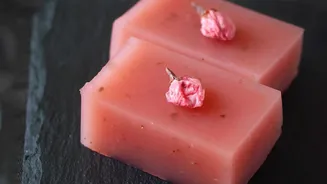
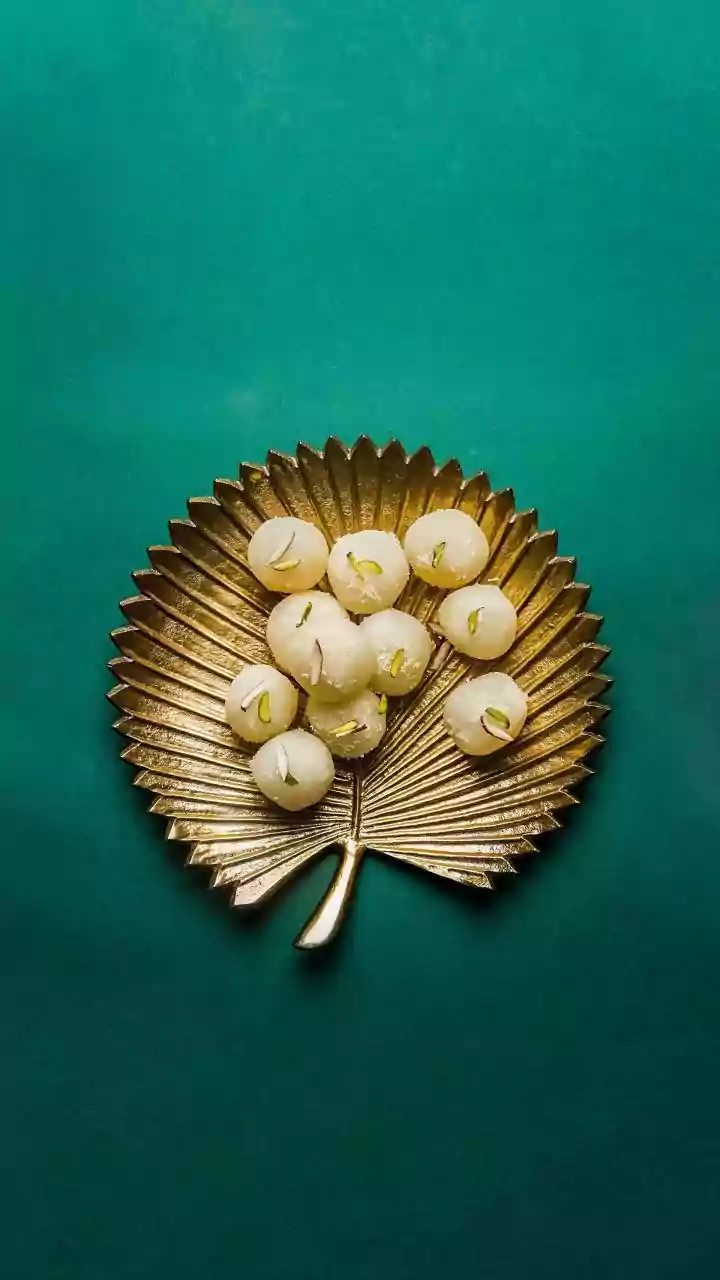
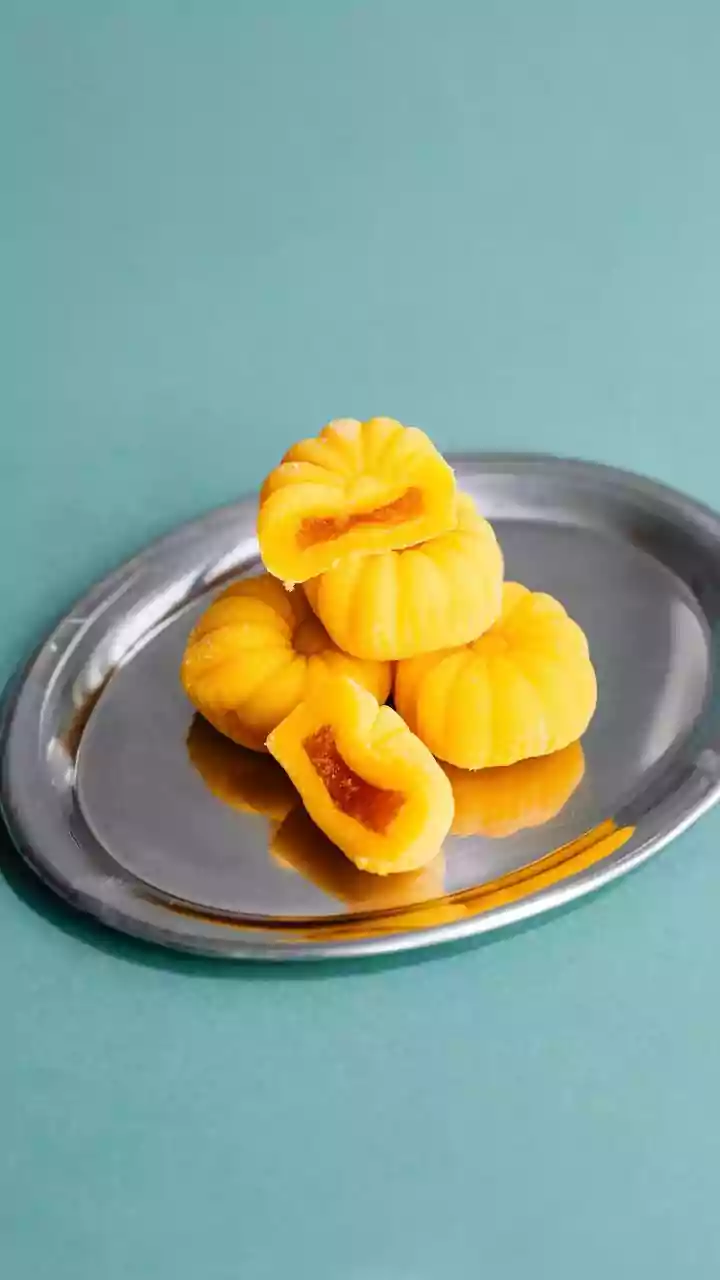
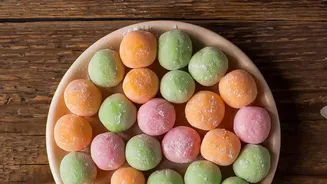
The sweet that often draws comparisons to our beloved modak belongs to a family of traditional Japanese confections called Wagashi. Specifically, the hand-sculpted versions that mirror the modak's form are often a type known as Nerikiri. These edible
sculptures are celebrated for their beauty and artistry. While the resemblance is undeniable, the ingredients, philosophy, and cultural purpose behind Wagashi are worlds apart from the festive Indian dumpling. This isn't a case of a long-lost cousin, but rather a beautiful example of convergent evolution in the culinary world, where two distinct cultures arrived at a similar form through completely different paths.
The Art and Soul of Wagashi
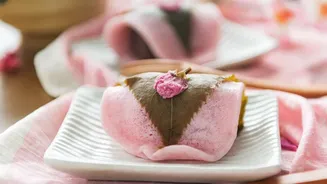
Wagashi are more than just sweets; they are an art form deeply connected to nature and the changing of the seasons. Each confection is a miniature representation of the time of year—a cherry blossom in spring, a maple leaf in autumn, or a splash of waves in summer. The primary ingredients are plant-based, most commonly a smooth, sweet bean paste called 'anko', along with rice flour and sugar. Unlike the rich coconut and jaggery filling of a modak, the sweetness in Wagashi is intentionally subtle and refined. The goal isn't an explosion of flavour, but a gentle, clean taste that pleases the palate without overwhelming it.
Nerikiri: The Edible Sculpture
The specific type of Wagashi that looks most like a modak, Nerikiri, is considered a high form of confectionery art. Its creation involves a dough made from sweetened white bean paste and a glutinous rice flour product called 'gyuhi'. This mixture results in a pliable, clay-like consistency that artisans can colour and meticulously shape by hand into stunningly detailed designs. This is why Nerikiri can capture not just the essence but the intricate details of flowers, birds, and landscapes. The skill required to create these delicate pieces is passed down through generations, making each confection a tiny masterpiece of craftsmanship.
A Story Steeped in Tea and Tradition
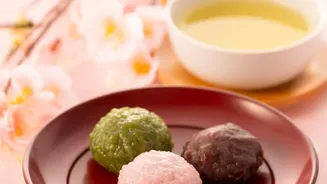
The history of Wagashi is intertwined with the Japanese tea ceremony, or 'chanoyu'. These sweets evolved to become the perfect companion to matcha, a powdered green tea known for its bitter notes. The subtle sweetness of the Wagashi is designed to cleanse the palate and enhance the tea-drinking experience. This tradition flourished during Japan's Edo period (1603-1868), a time of peace when arts and culture blossomed. Wagashi became a gesture of hospitality, an aesthetic offering to a guest that speaks of the season, poetry, and a shared, fleeting moment of beauty.
Modak vs. Wagashi: Two Philosophies
While they may look alike, their souls are distinct. The modak is primarily a devotional offering, a 'prasadam' made with love for Lord Ganesha during Ganesh Chaturthi. Its shape is symbolic, its filling rich and celebratory. It is a food of faith and festival. Wagashi, on the other hand, is a food of aesthetics and mindfulness. It is an expression of 'wabi-sabi', the Japanese appreciation for transient beauty. It is meant to be contemplated and savoured slowly, often in the quiet setting of a tea ceremony. One is a spiritual offering to a deity, the other an artistic offering to a guest and to the season itself. Both hold deep cultural significance, but their purposes highlight different values.