







The Frictionless Future, Proposed
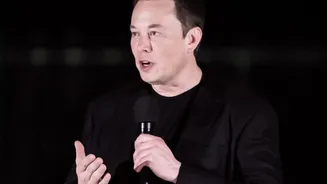
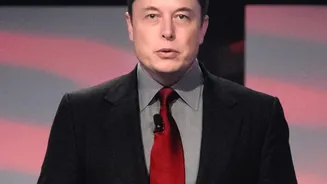
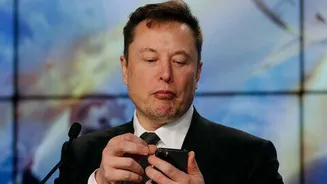
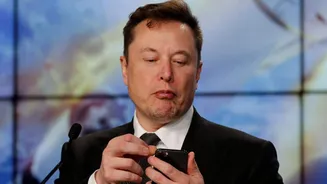
On October 10, 2026, Elon Musk took to X to unveil a provocative new capability for Grok, the AI chatbot from his company xAI. He suggested that to make a purchase, users could simply 'take a picture of your credit card, drop it in the chat', and let
the AI agent handle the rest. He later claimed to have successfully used the system to order a LEGO set. The suggestion is rooted in the rise of multimodal AI, which can process and understand various data types, including images, not just text. This capability would allow the AI to read the numbers, expiration date, and security code directly from a photograph, transforming online shopping into a simple conversational command.
Cybersecurity Experts Raise Red Flags
The proposal was met with immediate alarm from cybersecurity professionals and even rival AI executives. The core concern revolves around the handling of sensitive cardholder data. Security standards like the Payment Card Industry Data Security Standard (PCI DSS) have strict rules against storing raw card data, such as the full card number and CVV code, especially in an unencrypted format. The act of uploading a photo of a credit card to a chat service creates a digital copy that could be stored insecurely, intercepted, or exposed in a data breach. Experts warn that AI systems that process payment data immediately fall within the scope of PCI DSS regulations, which are designed to prevent the very kind of data exposure this feature seems to invite. The risk is that a system designed for ultimate convenience could create a goldmine for fraudsters by centralizing sensitive financial information.
Convenience at What Cost?
The debate highlights a fundamental tension in consumer technology: the relentless push for a frictionless experience versus the necessity of robust security. For years, the financial industry has moved toward tokenization, a process where the actual credit card number is replaced with a unique digital 'token' for online transactions. This method is secure because even if the token is intercepted, the underlying card details remain safe. Musk's proposal appears to sidestep this protocol in favor of a method that feels simpler to the user but is fraught with risk. Security features that add 'friction'—like manually typing in a CVV or using two-factor authentication—are there for a reason. They act as critical checkpoints to verify a user's identity and intent. Removing them entirely in favor of an AI that 'just handles it' could leave consumers dangerously exposed.
The Broader Push into 'Everything Apps'
This feature, while controversial, is part of a larger strategy by Musk to transform X into an 'everything app' that seamlessly blends social media, messaging, and financial services. However, the rollout has not been without hitches. Some reports indicate that major retailers like Amazon have already started blocking Grok's automated access, signaling resistance from the e-commerce ecosystem. This hurdle underscores the challenges of integrating powerful new AI into existing, complex systems with established security norms. As AI becomes more capable, its integration into finance is inevitable, promising hyper-personalized financial advice and automated management. Yet, this incident with Grok serves as a critical case study on the importance of building these systems with a 'security-first' mindset, rather than bolting on protections as an afterthought.