






A Taste of the Challenge
Indian Air Force Group Captain and Gaganyaan astronaut-designate Shubhanshu Shukla recently shed light on one of the lesser-known hurdles of space travel: food certification. In a comment about a previous mission experience, he noted that a lack of sufficient
time for extensive testing limited the number of Indian dishes that could be cleared for flight. This wasn't a complaint, but an expert observation that reveals the incredible standards required to ensure food is safe, stable, and nutritious in a zero-gravity environment. Every single food item sent to space must undergo a battery of tests to prove it can withstand launch vibrations, remain edible for months without refrigeration, and not produce hazardous waste like crumbs. Shukla's insight provides a perfect window into the painstaking detail that defines human spaceflight, where even a simple meal is a feat of science and engineering.
The Science of a Space-Ready Meal
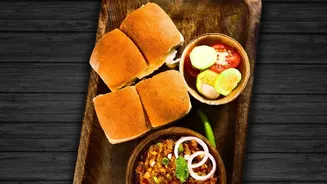
Why is it so difficult to pack a lunch for space? The challenges go far beyond just taste. In microgravity, simple things we take for granted become significant risks. For instance, bread is generally banned because crumbs don't fall to the floor; they float, posing a threat to sensitive equipment and air vents. This is why astronauts often use tortillas instead. Seasonings like salt and pepper are provided in liquid form to prevent tiny grains from floating into an astronaut's eyes or instruments. Another major hurdle is the lack of refrigeration. Standard refrigerators produce heat that wouldn't dissipate properly in zero gravity, creating dangerous hot spots. Consequently, all food must be shelf-stable, typically achieved through processes like freeze-drying or thermos-stabilization, allowing it to be stored at ambient temperature.
The Gaganyaan Menu: A Taste of Home
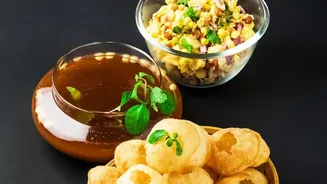
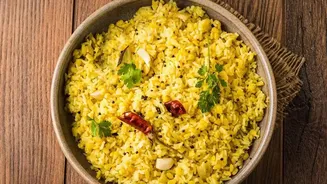
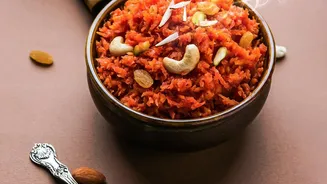
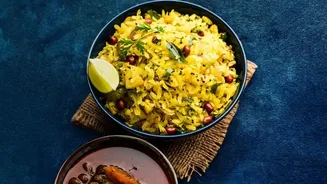
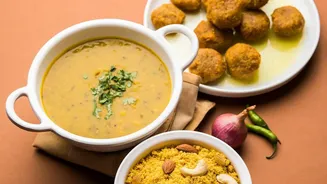
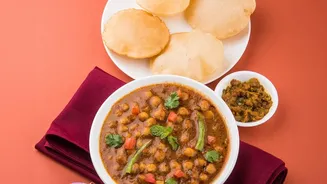
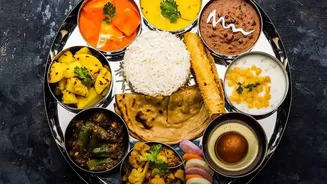
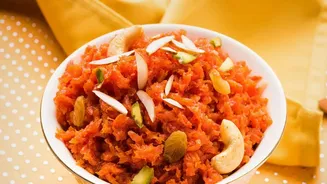
Despite these challenges, India's Defence Food Research Laboratory (DFRL) in Mysuru has curated an impressive and familiar menu for the Gaganyaan crew. The goal is to provide a taste of home to boost morale during the mission. The ready-to-eat selection includes Indian staples like idli, vegetable pulav, chicken biryani, chapati, dal, and aloo paratha. For dessert, astronauts can look forward to treats like moong dal halwa or sooji halwa. The DFRL, which has long experience developing food for the armed forces in extreme conditions, has ensured the meals are nutritious and only mildly spiced, with optional spice sachets for those who prefer more heat. These meals are packed in special pouches and require reconstitution with water, which is also carried in specially designed containers.
More Than Just Fuel
Food in space is about psychology as much as it is about nutrition. Astronauts' sense of taste is often diminished in orbit. The fluid shift towards the head in microgravity can cause congestion, similar to having a head cold, which dulls the sense of smell and makes food taste bland. Providing palatable, flavourful, and culturally familiar food is crucial for the crew's well-being and mental health on long, isolating journeys. The act of sharing a meal is a universal comfort, and as Shukla noted, sharing Indian food with his international crewmates was a rewarding experience. The extensive menu prepared by DFRL acknowledges this human element, aiming to make the astronauts' historic journey as comfortable as possible. The time and effort spent developing dozens of dishes underscores ISRO's commitment not just to the technical success of the mission, but to the health and happiness of its crew.