




An Airport Above the Clouds
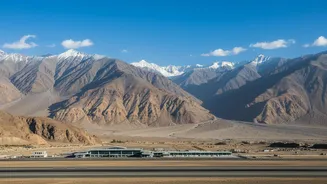
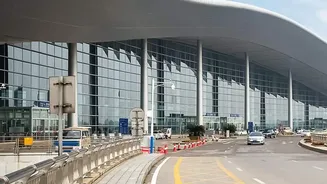
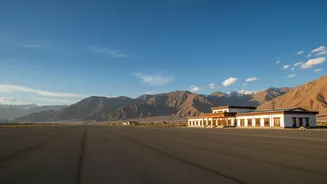
Serving Leh, the capital of Ladakh, Kushok Bakula Rimpochee Airport (IXL) is a marvel of high-altitude aviation. It sits at an elevation of 3,256 metres (10,682 feet), making it the highest commercial airport in India and one of the highest in the world.
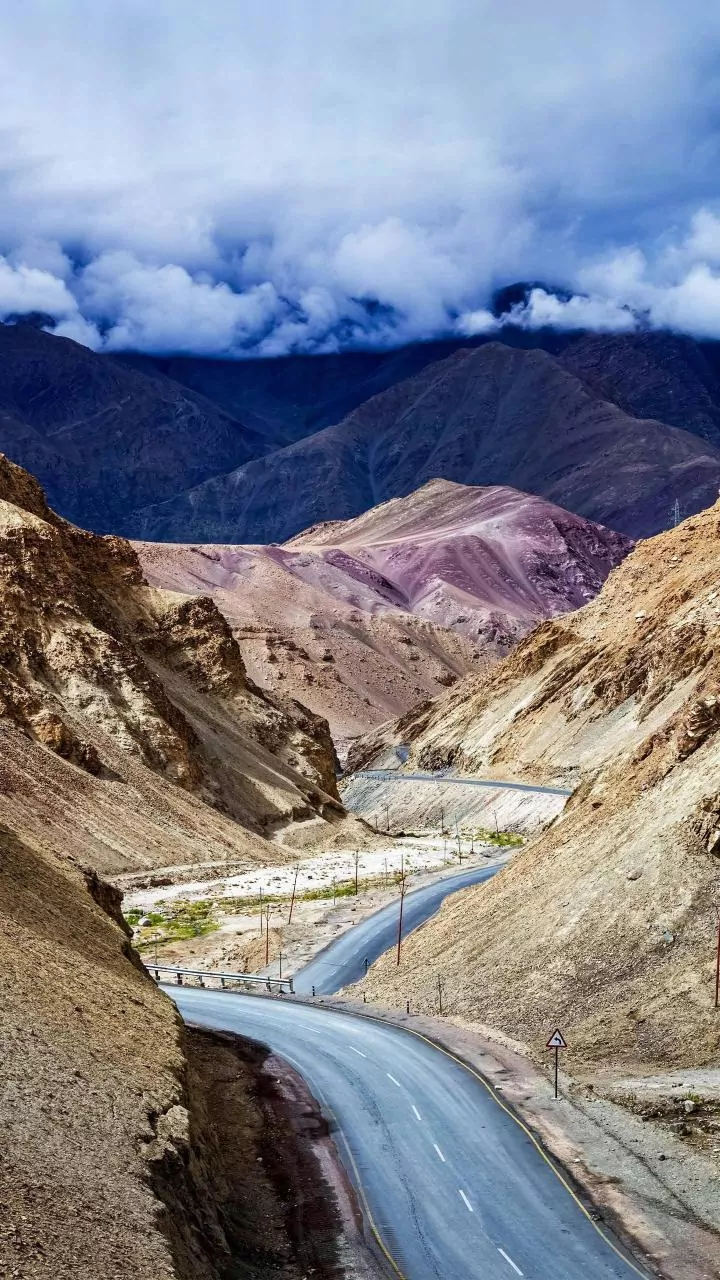
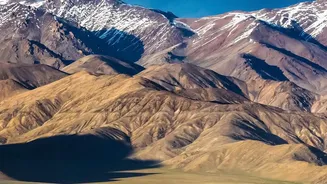
Its location, nestled within a valley surrounded by the towering Himalayas, makes it not only strategically important but also one of the most scenic and challenging airports to approach globally. The airport is named after the 19th Kushok Bakula Rinpoche, a revered Buddhist monk and statesman who was a pivotal figure in Ladakh's development. This dual-purpose airfield is operated by the Airports Authority of India alongside the Indian Air Force, highlighting its significance for both civilian connectivity and national security.
The Morning-Only Flight Window
If you're booking a flight to Leh, you'll notice they all operate in the morning. This isn't a matter of convenience but a strict safety protocol. At this altitude, the air is significantly thinner. As the day progresses and the sun heats the mountainous terrain, strong, unpredictable winds whip through the valley. This combination of thin air and powerful gusts makes afternoon take-offs and landings extremely dangerous, affecting aircraft lift and stability. To ensure safety, the Directorate General of Civil Aviation (DGCA) restricts all commercial flights to a narrow window in the early morning, typically before noon, when the air is colder, denser, and the winds are calm.
A Pilot's Ultimate Test
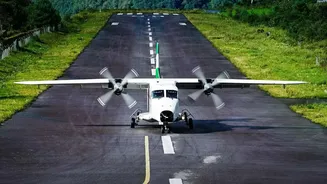
Landing a plane in Leh is not a task for the uninitiated. Pilots require special training and certification to operate flights on this route. The airport features a unidirectional runway, meaning planes have to approach and depart from the same direction due to the high terrain at one end. The flight path involves navigating a narrow corridor between mountain peaks, demanding exceptional skill and precision. The approach is purely visual, meaning pilots must have a clear line of sight to the runway, making operations impossible in poor weather. This combination of factors makes flying into Leh one of the most demanding assignments in commercial aviation.
Your Health Comes First: Acclimatization
The most critical advice for any traveller flying into Leh is to respect the altitude. Arriving by air means you ascend from near sea level to over 10,000 feet in just a couple of hours, a rapid change your body isn't prepared for. This can lead to Acute Mountain Sickness (AMS), with symptoms like headaches, dizziness, and nausea. The golden rule is to completely rest for the first 24 to 48 hours after you land. Avoid any strenuous activity, including long walks. Stay hydrated by drinking 3-4 litres of water, eat light meals, and avoid alcohol. This rest period allows your body to begin the crucial process of acclimatization, setting you up for a safe and enjoyable trip.
Booking, Baggage, and Breathtaking Views
Due to the limited operational window and high demand, especially between May and September, it's wise to book your flights well in advance. When booking, try to secure a window seat. The flight from Delhi to Leh offers arguably the most spectacular aerial views in India, passing over a sea of Himalayan peaks. For the best views from Delhi, choose a seat on the left side of the aircraft. Be prepared for stringent security checks; baggage rules can be stricter than at other airports, with some restrictions on hand luggage. Flight cancellations due to weather are not uncommon, so it's always a good idea to have some flexibility in your travel plans.