


The Real Power Source: Carbohydrates
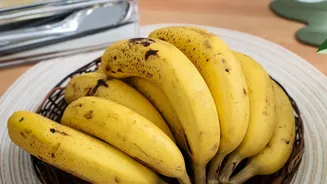
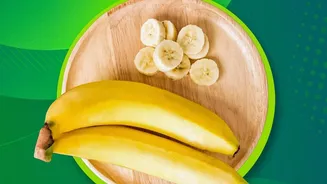
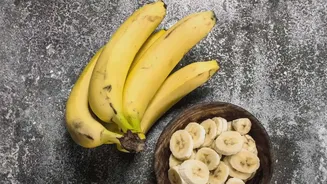
The primary reason bananas are so effective for exercise is their carbohydrate content. A medium-sized banana packs around 27-30 grams of carbs, which are the body's preferred and most efficient source of fuel for high-intensity activity. When you exercise,
your muscles pull glucose (sugar) from your bloodstream for energy. As those levels drop, your body taps into its stored form of carbs, called glycogen. Eating a banana 30 to 60 minutes before a workout tops off these energy stores, providing easily digestible fuel that can prevent you from feeling dizzy or weak mid-session. The blend of natural sugars and fiber in a banana helps provide a steady release of energy without the dramatic crash associated with some processed snacks.
More Than Just Carbs: The Role of Potassium
When people think of bananas, they often think of potassium, and for good reason. Potassium is a crucial electrolyte that plays a vital role in muscle function, nerve signaling, and fluid balance. During intense exercise, you lose electrolytes like potassium through sweat. This loss can disrupt the signals between your nerves and muscles, potentially leading to cramps and fatigue. A single banana provides a significant amount of potassium, helping to replenish what's lost and support proper muscle contraction. Some research also suggests that compounds in bananas may have natural anti-inflammatory effects, potentially reducing the exercise-induced inflammation that contributes to muscle soreness.
Banana vs. Sports Drink: Which Is Better?
So, how does this natural option stack up against a specially formulated sports drink? Several studies have compared the two and found that performance outcomes are often very similar. Both provide the necessary carbohydrates to fuel activity. However, bananas come with added nutritional benefits not found in most sports drinks, including fiber, vitamin B6, and antioxidants. In contrast, sports drinks are engineered for rapid hydration and often contain a more precise balance of electrolytes, like sodium and potassium, which can be critical during very long or intense endurance events in the heat. Ultimately, it's not about one being definitively better, but about choosing the right tool for the job. For most standard workouts, a banana and water are perfectly effective and offer a more natural nutritional profile.
Is There a 'Special' Benefit?
This brings us back to the core question: Do bananas have a unique, almost magical, benefit for workouts? The science suggests they are an excellent choice, but perhaps not for a 'special' or exclusive reason. Their main benefit comes from being a convenient, affordable, and easily digestible source of carbohydrates and potassium. Many other foods, like other fruits or a granola bar, can also provide the necessary fuel. The 'special' quality of the banana lies more in its practicality than in a unique biochemical advantage no other food can offer. It comes in its own biodegradable packaging, requires no preparation, and is gentle on the stomach for most people, making it an incredibly reliable and simple choice.
Timing Is Everything for Optimal Fueling
To get the most out of your pre-workout banana, timing is key. Consuming it 30 to 60 minutes before you start exercising gives your body enough time to begin digesting the carbs and making that energy available. For longer sessions, like a run or bike ride lasting over 90 minutes, some athletes even eat half a banana mid-workout to keep their energy levels stable. Post-workout, a banana can also be beneficial. Its carbohydrates help replenish the glycogen stores you just used up and stimulate an insulin response that aids in muscle recovery, especially when paired with a source of protein.