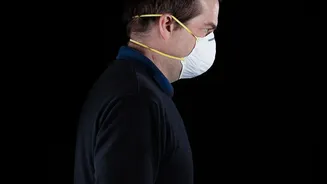




As smog settles over Delhi, that familiar, scratchy feeling in the throat returns. Many of us reach for home remedies, but it's crucial to understand what offers temporary comfort versus what actually addresses illness. Here's how to tell.
Why Smog Makes Your Throat Hurt
The air in a smog-filled
city isn't just hazy; it's a complex cocktail of pollutants that directly assaults your respiratory system. The primary culprits are fine particulate matter (PM2.5), which are tiny enough to lodge deep in your airways, and toxic gases like nitrogen dioxide and sulphur dioxide. When you breathe this air, these irritants land on the sensitive lining of your throat, the mucosa. This causes direct physical irritation, inflammation, and dryness, leading to that raw, scratchy sensation. Your body's immune system reacts to these particles as foreign invaders, triggering an inflammatory response that can cause swelling and discomfort. This constant irritation can also lead to increased mucus production and a persistent need to clear your throat.
The Power of Soothing: Temporary Comfort
Soothing remedies are designed to provide immediate, temporary relief from the symptoms of throat irritation. They work by coating the inflamed throat lining, adding moisture, or providing a sensation that calms the discomfort. Common and effective soothing methods include gargling with warm salt water, which can reduce swelling, and drinking warm fluids like herbal teas or clear soups. Ingredients like honey, ginger, and turmeric are popular for their anti-inflammatory properties. Honey, for instance, creates a protective film over the throat, while the warmth of a 'kadha' or turmeric milk can feel comforting. Steam inhalation is another method that helps by moisturising dry airways. However, it's vital to remember that these actions primarily manage symptoms. They make you feel better in the moment but do not cure an underlying infection or remove pollutants from your body.
Treating the Problem: When Illness Takes Hold
Treatment, unlike soothing, targets the root cause of an illness. While pollution irritates the throat, it can also weaken its defences, making you more susceptible to viral or bacterial infections. An irritated throat from smog might feel similar to the start of a cold, but an infection comes with a different set of signs. Treatment in this case involves addressing that specific infection. For a bacterial infection like strep throat, a doctor will prescribe antibiotics, which are useless against viral illnesses or simple pollution-related irritation. For a viral infection, treatment focuses on managing symptoms while your body fights it off, which might involve prescribed antiviral medication in some cases or specific over-the-counter medicines to manage fever and pain. The key distinction is that treatment is a medical intervention based on a diagnosis, aimed at resolving the core health issue, not just masking the discomfort.
Red Flags: When to See a Doctor
Relying on soothing remedies is fine for mild, temporary irritation, but certain symptoms signal that it's time to seek professional medical advice. If your sore throat persists for more than a week or becomes severe, it's a clear sign to consult a doctor. Other major red flags include developing a fever, experiencing difficulty or pain when swallowing, and shortness of breath or wheezing. If you look at your throat and see white patches on your tonsils, or if you're dealing with significant body aches and fatigue alongside the sore throat, it is more likely an infection that requires a proper diagnosis and treatment plan. A persistent cough lasting more than a few weeks is another reason for a medical evaluation. Ignoring these signs and continuing to only 'soothe' could delay necessary treatment and allow an underlying condition to worsen.