







What is the ‘Uncut Visual Experience’?
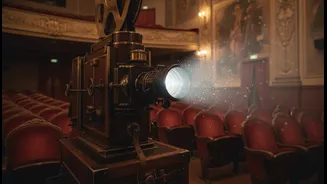
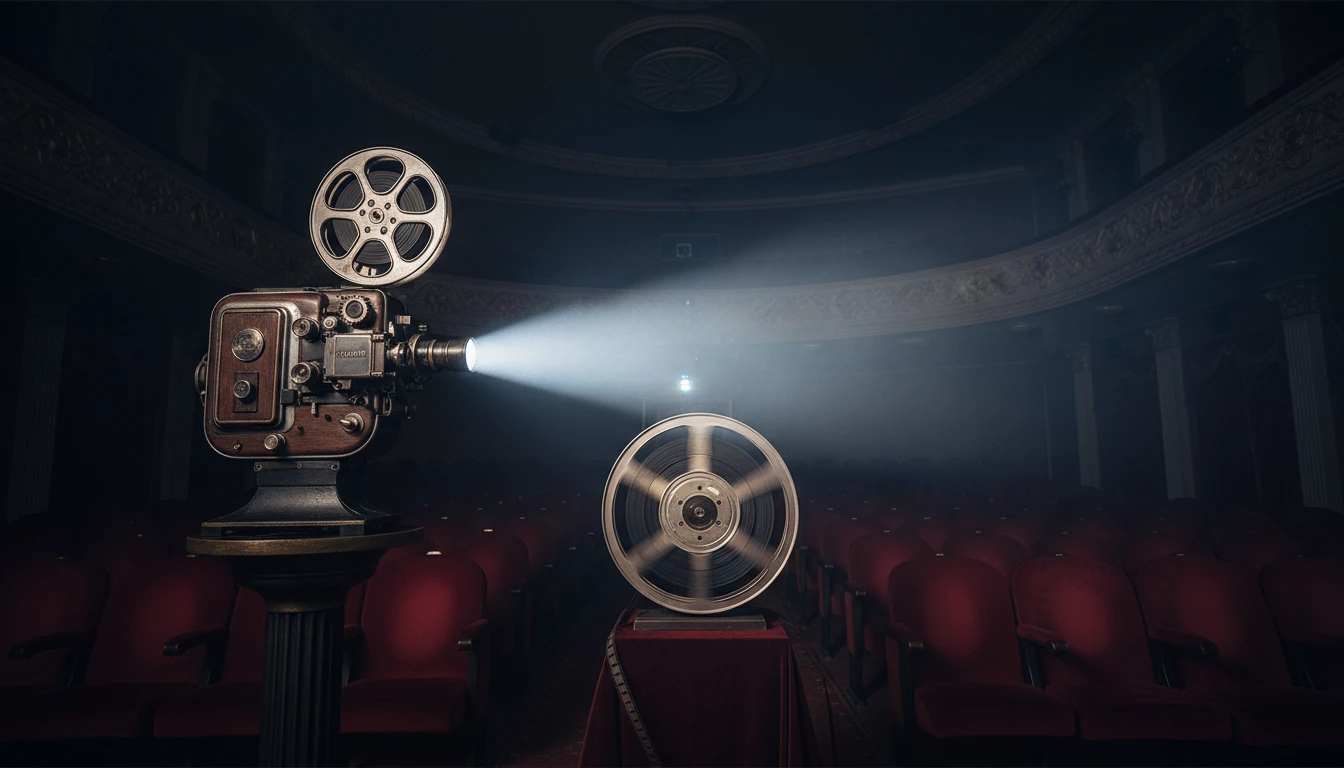
The phrase isn’t just marketing jargon; it refers to the purest presentation of the film possible: IMAX 15/70mm film. Christopher Nolan, a long-time champion of celluloid, shot 'The Odyssey' entirely on this enormous format. Unlike standard digital projections
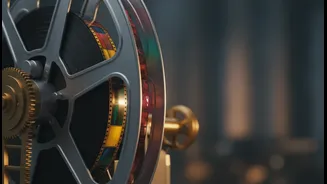
or even regular 70mm, IMAX film runs horizontally through the projector. Each frame is 15 perforations wide, creating an image area nearly nine times larger than a standard 35mm frame. The result is an image with a staggering resolution, estimated to be the equivalent of 18K, offering unparalleled sharpness, depth, and colour. It also preserves the film’s full 1.43:1 aspect ratio, which means audiences see significantly more of the picture on the towering IMAX screens, just as Nolan and his cinematographer framed it.
Nolan's Obsession with Analogue Perfection
For Nolan, using IMAX film is about creating an immersive, almost physical viewing experience. He has stated that the goal is to make the screen disappear, giving audiences a feeling of 3D without the glasses by filling their peripheral vision. This dedication to the analogue format is a core part of his artistic philosophy. He believes the texture and tangible quality of film provide a more profound and authentic connection to the story. With 'The Odyssey', he and his team pushed the technology further than ever before, developing new sound mufflers for the notoriously loud IMAX cameras to allow them to film intimate, dialogue-heavy scenes for the first time on the format. This makes 'The Odyssey' the first feature film in history to be shot entirely on IMAX 70mm, fulfilling a dream Nolan has had since he was a child.
A Global Treasure Hunt for Cinephiles
The extreme rarity of these venues makes seeing 'The Odyssey' in its native format a special event. Decades of cinema's shift towards digital projection has meant that the complex, bulky, and expensive 15/70mm film projectors have been decommissioned in all but a few dozen locations worldwide. Operating these projectors requires specialised training and meticulous maintenance. The film prints themselves are colossal, weighing hundreds of pounds and spanning miles in length, making the logistics of distribution a massive undertaking. The list of 41 venues includes 25 in the United States, nine in Canada, and a handful in the UK and Australia. For fans, securing a ticket has become a competitive sport, with screenings selling out weeks in advance and many travelling across states or even countries for the chance to witness the spectacle.
What Does This Mean for Indian Audiences?
For the legion of Nolan fans in India, the news is bittersweet. As with past releases like 'Oppenheimer', none of the 41 venues capable of projecting IMAX 70mm film are located in India. While India has a robust cinema culture and numerous IMAX-branded theatres, these are primarily IMAX Digital or IMAX with Laser systems. These are premium experiences in their own right, but they cannot replicate the analogue film projection that defines the 'uncut' experience. The best available alternative for Indian viewers will be IMAX with Laser auditoriums that can project in the 1.43:1 aspect ratio, which will at least preserve the film's intended framing, even if it's from a digital source. While the dream of a true 15/70mm showing in India remains elusive, the global excitement underscores the power that a truly unique cinematic vision continues to hold.