





Tomatoes: From Juicy to Mealy
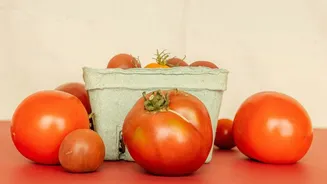
There's a scientific reason why that perfectly ripe tomato you put in the fridge came out tasting watery and dull. Cold temperatures are the enemy of a tomato's texture and flavour. The chill breaks down the delicate membranes within the fruit, causing
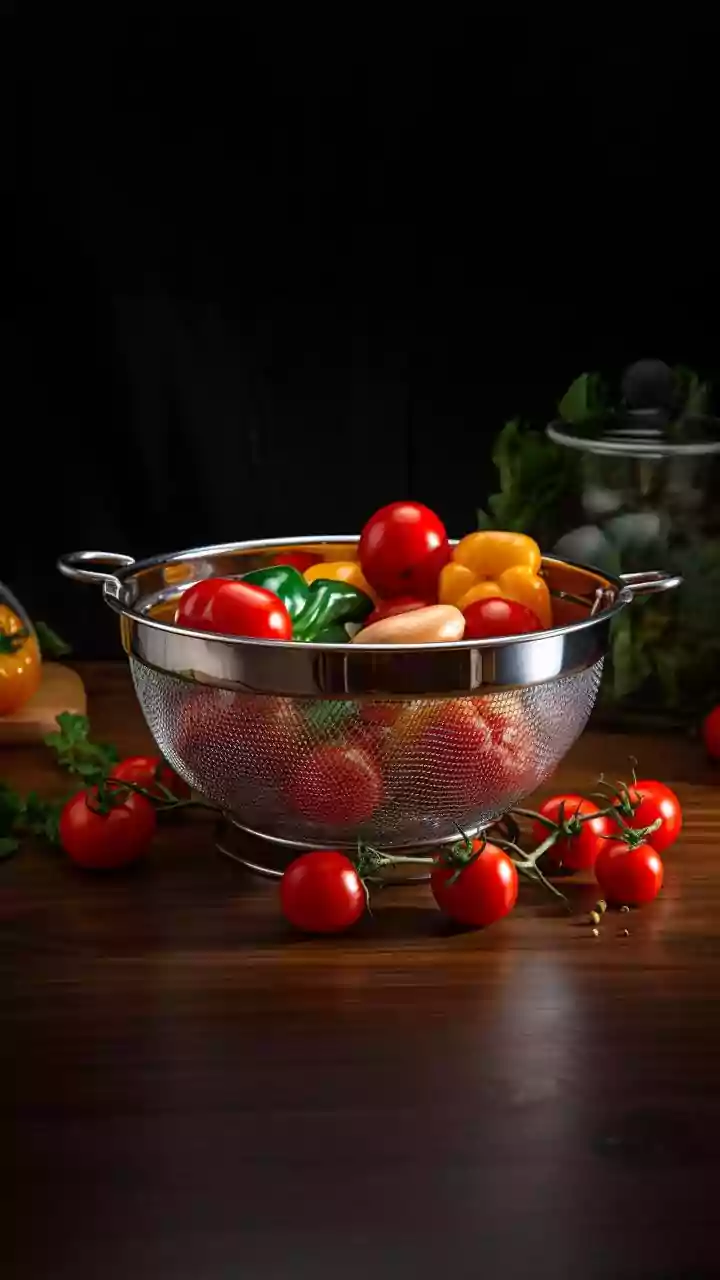
it to become mealy and mushy. More importantly, the cold halts the enzyme activity that produces the complex, aromatic compounds responsible for that classic, summery tomato taste. Even if you let a refrigerated tomato return to room temperature, much of that flavour loss is permanent. The best practice is to store whole tomatoes on your kitchen counter, away from direct sunlight, to preserve their integrity. The only exception is for a tomato that is already perfectly ripe or has been cut; at that point, refrigeration can help slow down further decay for a day or two.
Potatoes: Cold Turns Starch to Sugar
Your refrigerator is the last place you should store raw potatoes. The cold environment triggers a chemical process called 'cold-induced sweetening', where the potato's starches begin to convert into sugars. This gives the potatoes an unpleasantly sweet flavour and a gritty, sandy texture when cooked. Beyond the unappealing taste, these excess sugars can cause potatoes to brown and burn too quickly when fried or roasted, often before the inside is fully cooked. Some studies have also pointed out that when these sugars combine with the amino acid asparagine at high temperatures, they can form acrylamide, a chemical that is thought to be potentially harmful. To keep potatoes at their best, store them in a cool, dark, and well-ventilated place like a pantry, ideally in a paper bag or basket, not plastic.
Bread: The Fast Track to Stale
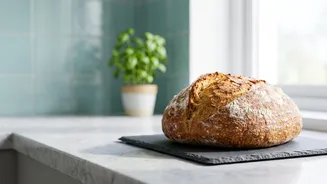
While it might seem logical to refrigerate bread to prevent mould, you're actually speeding up the staling process. Staling isn't just about drying out; it's a process of starch recrystallisation, which happens much faster at cool refrigerator temperatures than at room temperature. A loaf stored in the fridge will become hard and stale significantly quicker than one left on the counter. For everyday use, the best way to store bread is in its original packaging, a paper bag, or a bread box at room temperature. This balances moisture retention and airflow, keeping both the crust and crumb in good condition. If you need to store bread for longer than a few days, your freezer is a much better option. Freezing halts the staling process almost completely.
Onions and Garlic: Lovers of Airflow
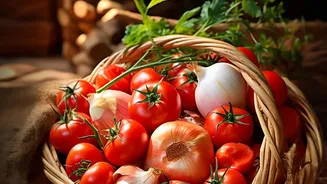
Onions and garlic thrive in a cool, dark, and dry environment with good air circulation—conditions the humid interior of a refrigerator cannot provide. Storing whole, unpeeled onions in the fridge makes them susceptible to moisture, which can turn them soft, mushy, and mouldy. Garlic, similarly, can begin to sprout or develop mould when refrigerated. For optimal freshness, keep both in a mesh bag, a basket, or a paper bag in your pantry or a cool cupboard. It's also wise to store them separately from potatoes; the gases and moisture they each release can cause the other to spoil more quickly.
Honey: Naturally Preserved for Millennia
Honey is one of nature's most shelf-stable foods, thanks to its low water content and high acidity, which make it an inhospitable environment for bacteria. There is no need to refrigerate it. In fact, putting honey in the fridge is the worst way to store it. The cool temperature will accelerate the process of crystallisation, turning your smooth, liquid honey into a thick, semi-solid, and grainy mass that is difficult to use. To keep honey in its ideal liquid state, simply store it in a tightly sealed container at room temperature in your pantry, away from direct sunlight and heat.
Coffee: A Magnet for Moisture and Odours
Whether you buy whole beans or ground coffee, the refrigerator is not its friend. Coffee readily absorbs moisture and odours from its surroundings, and the condensation that forms in a cool, humid fridge can damage the coffee's delicate oils, which are the source of its aroma and flavour. This results in a dull, less flavourful brew. The best way to preserve the freshness of your coffee is to store it in an airtight, opaque container at room temperature, in a dark place like a cupboard or pantry. This protects it from its main enemies: air, light, heat, and moisture.