








The Science of Movement and Digestion
Your gut and your brain are in constant communication through the gut-brain axis. When you feel stressed, your body's 'fight or flight' response can slow down or disrupt digestion. Gentle physical practices like yoga help activate the 'rest and digest'
system, also known as the parasympathetic nervous system. This shift calms the entire body, creating a better internal environment for digestion to occur. Furthermore, the physical movements of yoga act like an internal massage for your abdominal organs. Poses that compress and then release the abdomen can increase blood flow, stimulate the wave-like muscle contractions that move food through your system (peristalsis), and help move trapped gas.
The Power of the Twist
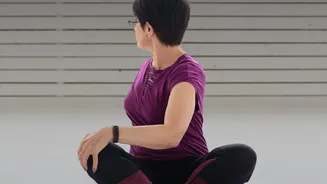
Twisting poses are particularly celebrated for their digestive benefits. When you twist your torso, you gently compress the organs on one side, and upon releasing the pose, fresh, oxygenated blood flows back into the area. This 'wringing out' action is thought to stimulate organs like the liver and intestines, aiding in detoxification and promoting more efficient function. Popular digestive twists include Ardha Matsyendrasana (Half Lord of the Fishes Pose) and Supta Matsyendrasana (Supine Spinal Twist). In a seated twist, you sit tall and rotate your torso, using your arm as a lever. For a supine twist, you lie on your back and gently guide one knee across your body. The key is to twist from your core while keeping your spine long.
Breathing for a Healthier Gut
The way you breathe has a direct impact on your digestive system. Deep, conscious breathing, known in yoga as pranayama, is a powerful tool for gut health. Diaphragmatic breathing, or 'belly breathing', is especially beneficial. When you breathe deeply into your abdomen, the diaphragm muscle moves downward, gently massaging the stomach, intestines, and other digestive organs. This rhythmic movement can reduce bloating and stimulate gut motility. Techniques like Alternate Nostril Breathing (Nadi Shodhana) are also used to calm the nervous system, reducing the stress that can lead to digestive upset. Taking just five minutes to focus on slow, deep breaths can signal to your body that it's safe to rest and digest.
Soothing Poses for Relief
Beyond twists, several other poses are known to soothe digestive discomfort. Apanasana, aptly named the 'Wind-Relieving Pose', involves hugging your knees to your chest while lying on your back. This gentle compression can help relieve trapped gas and bloating. Balasana (Child's Pose) is another restful posture that applies gentle pressure to the abdomen while calming the nervous system. Forward folds, such as Paschimottanasana (Seated Forward Bend), also compress the abdomen and are believed to stimulate the digestive organs. The deep squat of Malasana (Garland Pose) can help with constipation by positioning the body for more efficient elimination.
Yoga Complements Healthy Habits
While yoga is a fantastic tool, it works best as part of a holistic approach. The headline wisely notes the importance of 'ordinary healthy habits'. These form the foundation of good digestion. Staying hydrated is crucial, as water helps the body break down food and absorb nutrients. Eating a diet rich in fibre from fruits, vegetables, and whole grains provides fuel for beneficial gut bacteria and helps maintain regularity. Other essential habits include managing stress levels, getting adequate sleep, eating mindfully without distractions, and limiting highly processed foods. Think of yoga as a powerful ally that enhances the benefits of these foundational wellness practices.