







The Centre’s E20 Vision
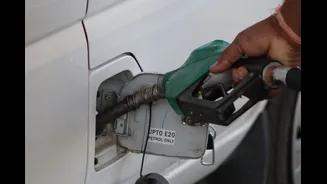
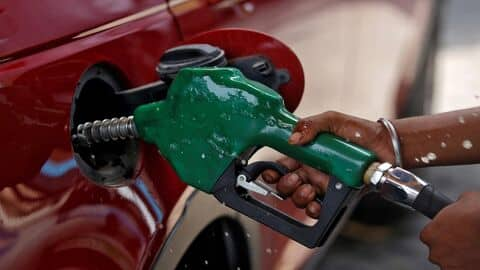
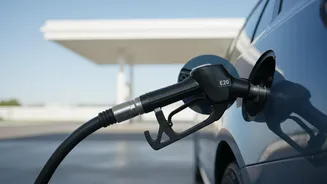
At its core, E20 is a simple blend: 80% petrol and 20% ethanol. The Indian government has championed this initiative with several key objectives in mind. Primarily, it aims to reduce the nation's massive oil import bill, bolstering energy security. Proponents
also highlight significant environmental benefits, including cleaner combustion and reduced emissions. Furthermore, the policy is designed to support the agricultural sector by creating a consistent demand for ethanol, a byproduct of sugarcane and other crops, thereby boosting farmer incomes. The government has backed the rollout with extensive testing, asserting that the fuel is safe, efficient, and offers higher octane performance for a better driving experience in compatible vehicles.
A Controversial Letter and a Quick Reversal
The latest chapter in the E20 saga began with a letter from the Society of Indian Automobile Manufacturers (SIAM) to the Ministry of Petroleum and Natural Gas. Leaked excerpts from this communication flagged serious concerns, citing a "huge increase" in vehicle component failures since E20's implementation. The letter pointed to investigations that linked failures of parts like fuel injectors and pumps to corrosion caused by high levels of chloride and excess moisture found in some E20 fuel samples. However, this explosive critique was short-lived. Within days, SIAM officially withdrew the communication, stating that the data required further authentication and verification. In a follow-up statement, the industry body reassured the public, reaffirmed its support for the E20 programme, and noted that its concerns had been addressed through new guidelines and quality checks by oil marketing companies (OMCs).
The Science Behind the Concerns
The now-retracted letter from SIAM brought long-standing technical concerns about ethanol-blended fuels into sharp focus. Ethanol is hygroscopic, meaning it absorbs moisture from the air, which can lead to water contamination in the fuel tank. If water content becomes too high, it can cause 'phase separation,' where the ethanol and petrol separate, potentially stalling the engine. Additionally, ethanol is a more potent solvent than petrol and can be corrosive to certain materials. For older vehicles not designed for high ethanol blends, this can mean the degradation of rubber seals, gaskets, and plastic components in the fuel system over time, leading to leaks and costly repairs. While the government maintains E20 is safe for legacy vehicles after extensive testing, many consumers and service centres report otherwise.
The Great Divide: Compliant vs. Non-Compliant
The heart of the consumer issue lies in vehicle compatibility. All vehicles manufactured in India since April 2023 are required to be E20-compliant. These vehicles have engines and fuel systems built with ethanol-resistant materials. For these cars, using E20 should not pose a problem. The real concern is for the vast majority of vehicles on Indian roads that were manufactured before this date and are, at best, certified for E10 (10% ethanol). While proponents argue the negative effects are minimal, many owners of older cars report a noticeable drop in fuel efficiency, a 'heavier' drive, and increased maintenance issues. This is partly because ethanol has a lower energy density than petrol, meaning more fuel must be burned to produce the same power, inherently reducing mileage.
What Should Car Owners Do?
The conflicting reports have left many drivers confused. SIAM's reversal, while officially closing the dispute, has raised questions about the pressures at play between industry and government. For now, the most prudent course of action for vehicle owners is to be proactive. First, check your vehicle’s manual or contact the manufacturer to confirm its ethanol compatibility rating. Owners of newer, E20-compliant vehicles have little to worry about. For those with older, non-compliant cars, the risks of long-term damage are higher. While avoiding E20 is becoming increasingly difficult as it becomes the standard offering, experts suggest keeping the fuel tank relatively full to minimize moisture absorption and sticking to reputable, high-traffic fuel stations where fuel turnover is high.