




The Quest for a More Flavourful Pulao
We’ve all been there. You follow the steps for a palak pulao, using fresh spinach, fragrant basmati rice, and a careful blend of spices, but the end result feels a little flat. While the dish is green and wholesome, it sometimes lacks that deep, savoury
character that makes you go back for a second helping. The rice can taste plain, serving merely as a vehicle for the spinach and spices rather than being a flavourful component in its own right. This is a common challenge in one-pot rice dishes, where the cooking liquid plays a crucial role. Often, the missing ingredient isn't another exotic spice, but the very liquid you cook the rice in.
Why Broth Beats Water Every Time
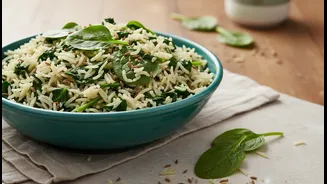
The secret to a richer, more aromatic spinach pulao lies in replacing plain water with vegetable broth. While water is a neutral cooking medium, vegetable broth is an active ingredient, bringing layers of flavour that infuse every single grain of rice. A good broth contains the subtle sweetness of carrots, the earthy notes of mushrooms, and the savoury depth of onions and celery. This complex background flavour, often described as umami, is something water simply cannot provide. When you cook your basmati rice in broth, it doesn't just get cooked; it absorbs this wealth of flavour, transforming from a bland filler into a star performer. The result is a pulao where the rice is just as delicious as the spinach and spices it's cooked with.
Homemade vs. Store-Bought Broth
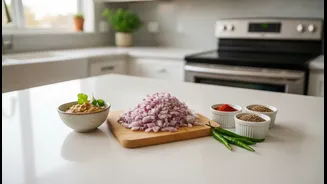
Making this upgrade doesn't mean you have to spend hours simmering a complex stock. For a quick homemade version, simply simmer vegetable scraps like onion peels, carrot ends, celery tops, and mushroom stems in water for 30-45 minutes while you prep your other ingredients. Add a bay leaf and a few peppercorns for extra aroma. Strain it, and you have a flavourful liquid ready to go. Alternatively, high-quality store-bought vegetable broth or stock cubes are a fantastic, convenient option. Look for low-sodium versions to better control the saltiness of your final dish. Whether homemade or from a carton, the principle is the same: cook with flavour to build flavour.
An Upgraded Spinach Pulao Recipe
This recipe puts our principle into practice for a vibrant and deeply flavourful pulao.
Ingredients:
- 1 cup basmati rice, rinsed and soaked for 20 minutes
- 1 large bunch of fresh spinach (palak), blanched
- 2 tablespoons ghee or oil
- 1 teaspoon cumin seeds
- 1 bay leaf, 2 cloves, 2 green cardamoms
- 1 medium onion, finely sliced
- 1 teaspoon ginger-garlic paste
- 1-2 green chillies, slit
- 1/4 cup green peas (optional)
- 1/2 teaspoon garam masala
- 2 cups vegetable broth, hot
- Salt to taste
- 1 tablespoon lemon juice
Instructions:
1. Create a smooth paste by blending the blanched spinach, a little of the broth if needed, and the green chillies. Set aside.
2. In a heavy-bottomed pot or pressure cooker, heat the ghee. Add the cumin seeds, bay leaf, cloves, and cardamom.
3. Once the spices are fragrant, add the sliced onions and sauté until golden brown.
4. Add the ginger-garlic paste and cook for a minute until the raw smell disappears.
5. Stir in the green peas (if using), followed by the prepared spinach paste. Cook for 2-3 minutes, allowing the flavours to meld.
6. Drain the soaked rice and add it to the pot. Gently stir for one minute to coat the grains.
7. Pour in the hot vegetable broth, garam masala, and salt. Stir gently and bring to a rolling boil.
8. Reduce heat to low, cover the pot tightly, and cook for 15-20 minutes, or until all the liquid is absorbed and the rice is fluffy. If using a pressure cooker, cook for 2 whistles on medium flame.
9. Let it rest for 10 minutes before fluffing with a fork. Stir in the lemon juice and serve hot.
Tips for Flawless Execution
To ensure your pulao is perfect, keep a few things in mind. First, blanching the spinach in boiling water for two minutes and then shocking it in ice-cold water helps retain its vibrant green colour. When making the spinach paste, use as little liquid as possible to keep the flavour concentrated. Soaking the basmati rice is a non-negotiable step; it ensures the grains cook evenly and become long and fluffy, not sticky. Finally, always let the pulao rest after cooking. This allows the grains to firm up and fully absorb the steam and flavours, making for a much better texture.