






The City as a Canvas
Durga Puja is far more than a religious festival; it's the grandest expression of Bengali culture, creativity, and community. The entire city comes to a standstill, making way for a celebration of art, life, and the triumph of good over evil. The centerpiece
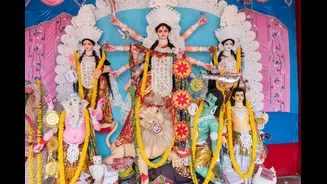
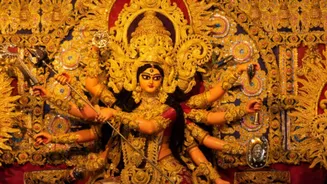
of the festivities are the thousands of temporary structures, or 'pandals', that house elaborate idols of the goddess Durga. Each pandal is a marvel of imagination, with organising committees spending months developing unique themes. These can range from replicas of famous monuments and social commentaries on current events to abstract artistic installations. The city effectively becomes an open-air art exhibition, and the main activity, for locals and tourists alike, is 'pandal hopping'.
Navigating the Pandal Maze
Pandal hopping is an art in itself. The experience varies dramatically between different parts of the city. South Kolkata is known for its large, high-budget, and often avant-garde theme-based pujas that attract massive crowds. In contrast, North Kolkata offers a more traditional and nostalgic experience. Here, the pandals are often set in narrower lanes, and the idols typically follow a classic design known as 'ekchala', where the entire pantheon is crafted within a single frame. A great strategy is to dedicate separate days to exploring the North and the South to fully appreciate their distinct flavours. Wear comfortable footwear, as you will be doing a lot of walking, and be prepared for crowds, which are an inseparable part of the electrifying atmosphere.
A Culinary Marathon
Durga Puja is a city-wide feast. Food is everywhere, from streetside stalls to fine-dining restaurants offering special 'Pujo' menus. For an authentic taste, seek out the 'bhog', a community lunch served at many pandals. This simple, vegetarian meal, traditionally offered to the goddess first, is a humbling experience in communal dining. The streets come alive with vendors selling everything from 'puchkas' (pani puri) and egg rolls to Mughlai parathas and biryani. It is a time when dietary restrictions are joyfully forgotten, and indulging in the culinary delights is a key part of the celebration. Don't leave without trying the city's famous sweets like 'mishti doi' and 'sandesh'.
Beyond the Crowds: Tradition and Culture
To truly understand Kolkata's cultural character during Puja, look beyond the massive community celebrations to the 'Bonedi Bari' pujas. These are traditional pujas held in the ancestral homes of the city's old aristocratic families. Many of these households open their doors to visitors, offering a glimpse into centuries-old rituals and a more intimate, serene atmosphere. The experience is a powerful contrast to the dazzling public pandals. The festival is also a time for cultural performances. Most large pandals have a stage for nightly programs featuring music, dance, and theatre. It's also a time for 'pujo fashion', with people dressing in their finest new clothes to mark the occasion.
The Grand Farewell
The festival culminates on the tenth day, Vijayadashami, with the 'visarjan' or immersion ceremony. It is a spectacular and deeply emotional event. The idols from pandals across the city are taken in grand processions, accompanied by music and dancing, to the Hooghly River. As the clay idols are immersed in the water, a bittersweet mood takes over the city. It symbolises the departure of the goddess back to her celestial abode and is marked by chants of 'Aasche bochhor abar hobe!'—'It will happen again next year!'. This mix of revelry and melancholy, of celebration and farewell, perfectly encapsulates the spirit of Durga Puja in Kolkata.