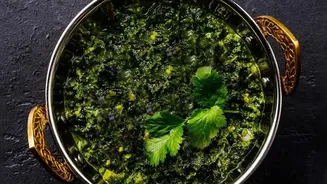



A cornerstone of Indian cuisine, urad dal is a pantry staple behind some of our most beloved dishes. But navigating the grocery aisle can be confusing. Do you need whole or split? This guide breaks it all down so you get it right every time.
An Introduction to Urad Dal
Urad dal,
also known as black gram, is a small but mighty pulse that has been a part of the Indian diet for centuries. Despite its name, it's technically a bean that comes from the Vigna mungo plant. Beneath its dark black skin lies a creamy white interior, which is why you'll see it sold in various forms that look strikingly different. When cooked, it has a distinct earthy flavour and a uniquely creamy, almost sticky texture that sets it apart from other dals like toor or moong. This versatility is its strength, making it the hero ingredient in everything from hearty northern curries to light, fermented batters in the south.
The Two Main Forms: Whole vs. Split
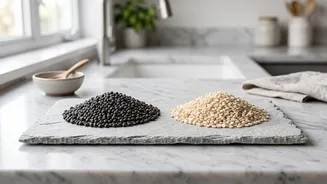
When you're shopping for urad dal, you'll mainly encounter two versions: whole and split. Understanding these is the key to mastering your recipes. Whole Urad Dal (Sabut Urad): This is the dal in its most natural state, with the black skin fully intact. It looks like a small, oval, matte black bean. Because the skin is left on, it has a more robust, earthy flavour and requires a longer time to soak and cook. Split Urad Dal (Urad Dal Dhuli): This is the same bean, but it has been processed. The lentil is split in half and the black skin is removed, revealing the creamy white interior. This version is often called 'white urad dal'. It has a milder flavour and cooks much faster than its whole counterpart. You may also find a version that is split but still has the skin on, known as 'urad dal chilka'.
Whole Urad: The Secret to Rich, Hearty Curries
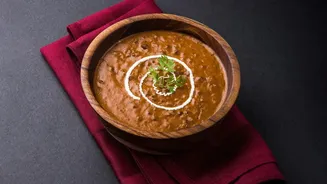
If a recipe calls for a deep, creamy, and slow-cooked dal, whole urad (sabut urad) is almost always the right choice. Its most famous application is in Dal Makhani. The long, slow simmering process allows the whole beans to become incredibly tender and creamy while the skins provide colour, texture, and that signature earthy depth. Using split dal for this dish just wouldn't produce the same luxurious, velvety result. To prepare it, whole urad dal must be soaked for several hours, often overnight, before being pressure-cooked until completely soft. This preparation is essential for achieving the creamy consistency that makes dishes like Dal Makhani and other Punjabi dals so beloved.
Split Urad: The Power Behind Fluffy Idlis and Crispy Dosas
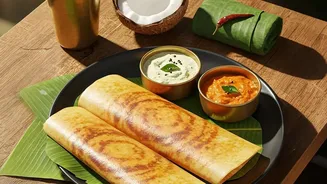
The split, skinless version (urad dal dhuli) is the unsung hero of South Indian cuisine. Its primary role is in the creation of batters for idlis, dosas, and vadas. When soaked and ground into a paste, split urad dal's natural properties help the batter ferment and become airy. This quality is what gives idlis their soft, pillowy texture and dosas their light, crispy structure. While whole urad without the skin (urad gota) can also be used, the split version is very common. Using whole urad with the skin on would result in a dense, dark batter that wouldn't ferment properly or yield the desired light texture. Split urad is also used for simpler, everyday dals and tadkas because it cooks quickly and breaks down easily into a smooth consistency.
A Quick Nutritional Glance
While both forms come from the same plant, the processing does create a key nutritional difference. Whole black urad dal, with its skin intact, is significantly higher in dietary fibre. This fibre is beneficial for digestion. Both types are excellent sources of plant protein with about $24$-$25$ grams per $100$g of dry dal. The whole version also retains slightly higher levels of minerals like iron and magnesium which are concentrated in the skin. For those seeking maximum nutrition, the whole black gram is the winner. For quicker cooking and easier digestibility, the split white version is often preferred.