



Highways as Tourism Corridors
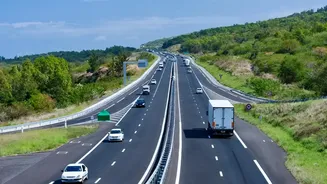
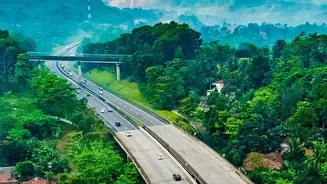
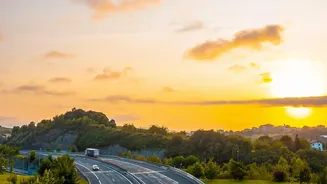
A massive upgrade of India's road network is fundamentally changing how we travel. Projects under the Bharatmala Pariyojana are not just about building highways but creating high-speed 'tourism corridors'. These new expressways are designed to link previously
separate destinations, making multi-stop itineraries practical for the first time. For example, the Delhi-Mumbai Expressway now connects the heritage city of Jaipur with the wildlife sanctuaries of Ranthambore and Sariska, and the commercial hub of Ahmedabad, into a single, drivable circuit. Similarly, Maharashtra's Samruddhi Mahamarg creates a seamless route connecting the spiritual centre of Shirdi, the wine country of Nashik, and the UNESCO World Heritage sites of the Ajanta and Ellora caves. This strategic linking is a core part of the plan to decongest routes and improve connectivity to tourist locations.
The Bundelkhand Breakthrough
A prime example of this new connectivity is the Bundelkhand Expressway in Uttar Pradesh. This 296-km highway has transformed access to a region rich in history but previously difficult to navigate. It now functions as a unified circuit connecting the world-renowned temples of Khajuraho with the historical towns of Orchha and Jhansi, and the spiritual hub of Chitrakoot. What once required complex travel plans involving multiple modes of transport can now be covered in a single road trip. This improved accessibility not only benefits tourists but also stimulates local economies, bringing more visitors to lesser-known sites and spreading the economic benefits of tourism beyond the major hubs.
A Railway Revolution in Speed and Spirit
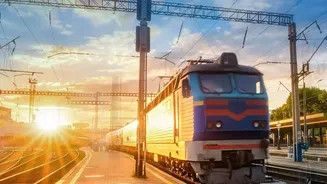
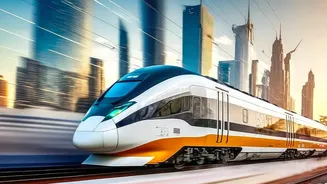
The transformation isn't limited to the roads. Indian Railways' Vande Bharat Express network has rapidly expanded, with a significant focus on connecting pilgrimage and heritage sites. With over 80 operational routes by August 2026, these semi-high-speed trains are slashing journey times and making weekend trips to spiritual centres a comfortable reality. Services now provide enhanced access to destinations like Varanasi, Ayodhya, Puri, Tirupati, and Shirdi. One notable route, the Banaras-Khajuraho Vande Bharat Express, directly links the ancient spiritual city of Varanasi with the UNESCO heritage site of Khajuraho via the pilgrimage site of Chitrakoot, perfectly blending faith and heritage through modern connectivity.
Balancing Development with Nature
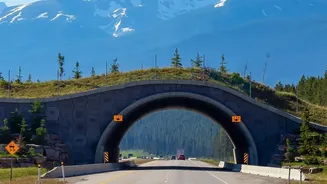
This infrastructure boom is also increasingly mindful of its ecological impact. Many new projects are incorporating innovative designs to protect wildlife. A standout feature of the Delhi-Dehradun Expressway, which cuts travel time to Uttarakhand to just 2.5 hours, is a 12-kilometre elevated wildlife corridor near Rajaji National Park. This structure, one of Asia's longest, allows elephants and other animals to pass freely underneath the highway, demonstrating a growing effort to balance development with conservation. This thoughtful approach ensures that while access to natural destinations improves, the ecosystems themselves are not disrupted.
The New Indian Itinerary
The combined effect of these road and rail projects is the birth of the new Indian itinerary—one that is fluid, integrated, and diverse. Travellers can now realistically plan a trip that starts with a morning safari in a national park, proceeds to an afternoon exploring ancient temple architecture, and ends with an evening prayer ceremony in a holy city. This seamless connectivity is boosting year-round tourism, especially in spiritual destinations, which in turn drives investment in hotels and local businesses. As upcoming projects like the Char Dham Mahamarg and Shaktipeeth Expressway come online, the map of Indian tourism will be redrawn further, weaving the nation's incredible diversity into a single, accessible tapestry.