








What is the Official End Date?
For planning purposes, a season needs a start and an end. The India Meteorological Department (IMD), the nation's official authority on weather, defines the normal date for the complete withdrawal of the Southwest Monsoon from the entire country as October
15. This date itself is a recent adjustment. In 2020, the IMD revised its monsoon timelines based on decades of data, pushing the average withdrawal date for many parts of the country later. This was an acknowledgment of a trend scientists had been observing for years: the monsoon was leaving later. The headline's '20 October window' perfectly captures this period, a time when the monsoon is officially supposed to be gone but often isn't.
A Gradual Retreat, Not a Sudden Stop
The end of the monsoon isn't like flipping a switch. It’s a slow, staggered retreat that begins far away from the southern peninsula. The process typically starts in the extreme northwestern parts of India. The new 'normal' start for this withdrawal is around September 17, already a significant delay from the old normal of September 1. From there, the withdrawal line—the boundary of the monsoon's influence—moves southeastward across the country. It's a process that takes weeks. The IMD has specific criteria for this, including five continuous days without rain and a change in wind patterns. Only after the monsoon has withdrawn from the southern peninsula, typically after October 1, can the IMD declare its complete exit from the country.
The Gap Between Calendar and Climate
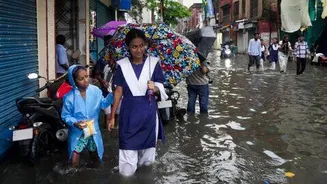
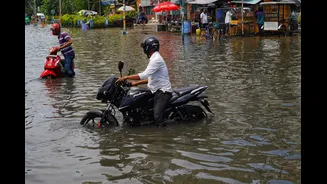
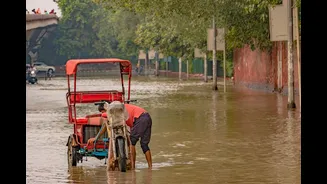
Herein lies the confusion. While the official four-month monsoon season for rainfall accounting runs from June 1 to September 30, the rains themselves don't follow this neat schedule. In many recent years, the actual final withdrawal has occurred well after the revised normal date of October 15. Active weather systems, like low-pressure areas or cyclones forming in the Bay of Bengal or the Arabian Sea during late September and October, can halt the withdrawal process. These systems pump moisture back onto the mainland, reviving rainfall activity and effectively putting the monsoon's retreat on hold. This results in states across central and southern India receiving significant rainfall long after the main monsoon season is considered officially over.
Why the Disconnect Matters
This mismatch between the official season and the on-ground reality has significant consequences. Farmers, particularly those who rely on the post-monsoon dry period to prepare fields and sow Rabi (winter) crops like wheat and mustard, face a shrinking window. Lingering moisture and unexpected October deluges can damage harvested Kharif (monsoon) crops and disrupt sowing schedules. For urban planners and water management authorities, the implications are just as serious. Reservoir levels are managed based on expected inflow; a delayed but intense burst of October rain can heighten flood risks if dams are already near full capacity. The construction sector, which typically ramps up activity after the monsoon, also faces uncertainty and delays. It forces a fundamental rethink of seasonal planning that was once based on a more predictable rhythm.