




Embrace the Steam Team
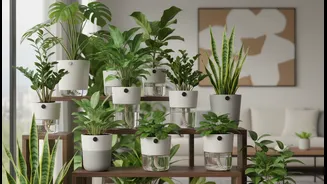
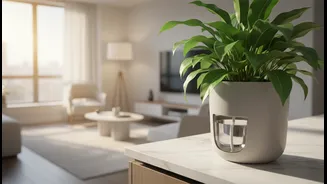
The constant steam from boiling pasta and simmering sauces makes the kitchen a haven for humidity-loving plants. While some plants might struggle, tropical varieties will feel right at home. Peace lilies, with their elegant white flowers and glossy leaves,
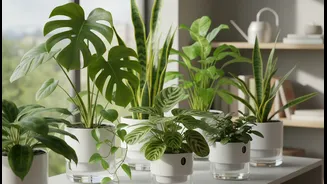
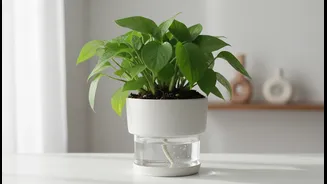
are not only beautiful but are known to thrive in humid conditions and can tolerate lower light levels. Similarly, the trailing vines of a Golden Pothos can bring a touch of the jungle to your shelves and cabinets. Pothos is famously low-maintenance and adapts well to the moisture in the air. For a pop of colour and texture, consider a Calathea or a Kimberly Queen Fern, both of which appreciate the extra humidity that a kitchen naturally provides. Placing these plants a safe distance from the stove will allow them to soak up the ambient moisture without being directly affected by intense heat.
Hardy Choices for a Hot Zone
Kitchen temperatures can swing dramatically, from cool mornings to the intense heat of a cooking session. This requires plants that are tough and resilient. The Snake Plant (Sansevieria trifasciata) is practically indestructible and renowned for its ability to withstand fluctuating temperatures and infrequent watering, making it a perfect floor plant for a corner of the kitchen. Another excellent choice is the ZZ Plant (Zamioculcas zamiifolia), whose thick, waxy leaves are exceptionally tolerant of heat and low-light conditions. For a sunny windowsill, Aloe Vera is a fantastic option. It loves warmth and can handle the heat, plus its gel has the practical benefit of soothing minor kitchen burns. These hardy plants take the kitchen's variable climate in stride, asking for very little in return.
The Right Plant for Your Light
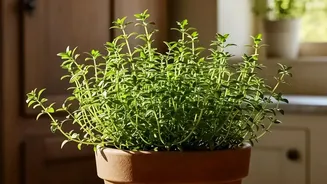
Every kitchen has different lighting, from bright, sun-drenched windows to dim, shadowy corners. The key is to match the plant to the available light. If you have a sunny windowsill, it's the perfect spot for an edible garden. Herbs like mint, basil, and parsley thrive in bright light and offer the unbeatable advantage of fresh ingredients at your fingertips. For kitchens with less natural light, don't despair. The aforementioned Snake Plant and ZZ Plant are champions of low-light environments. The adaptable Pothos can also thrive in shadier spots, though its variegation might be less pronounced. Chinese Evergreens (Aglaonema) are another sturdy option, known for tolerating a range of light conditions from low to medium, adding greenery even to the darkest of kitchens.
A Note on Air Quality
Many people bring plants into the kitchen hoping to purify the air from cooking odours and indoor pollutants. While it's true that plants like Snake Plants, Spider Plants, and Peace Lilies were part of a 1989 NASA study on air purification, the real-world effect in a typical, ventilated room is minimal. These plants are fantastic for adding life and beauty to your space, and some, like mint, can help mask odours with their own fresh scent. However, for significantly improving air quality from cooking fumes, a good ventilation system or an air filter is far more effective. So, enjoy your kitchen plants for the greenery and joy they bring, and consider any air-purifying benefits a small bonus.
Safety First: Pet-Friendly Greenery
In a space where family, including furry members, gathers, it's crucial to consider plant toxicity. Many common and beautiful houseplants are, unfortunately, toxic to cats and dogs if ingested. Peace Lilies, Pothos (Devil's Ivy), Snake Plants, and Aloe Vera can all cause digestive upset and more severe reactions in pets. If you have curious pets, it's safest to either place these plants on high shelves or in hanging baskets well out of reach, or to opt for non-toxic alternatives. Pet-friendly choices that still work well in kitchen conditions include the Spider Plant (a great air purifier), the Lemon Button Fern, and many varieties of Calathea. Always check a plant's toxicity before bringing it home to ensure your green oasis is a safe one for every member of your household.