





Why Choose Ragi?
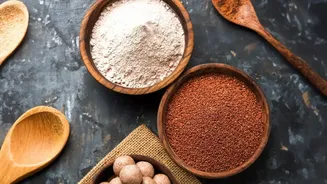
Ragi, also known as finger millet, is an ancient super grain that is making a well-deserved comeback in modern kitchens. It's a nutritional powerhouse, packed with more calcium than most other cereals, making it excellent for bone health. Ragi is also a great
source of iron, protein, and dietary fibre. The high fibre content aids digestion, helps in managing weight by keeping you feeling full for longer, and can assist in regulating blood sugar levels. Its naturally gluten-free nature makes it a fantastic choice for those with gluten sensitivities.
The Perfect Base Recipe
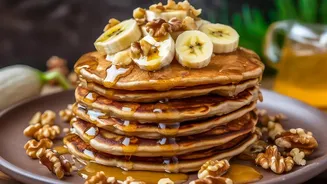
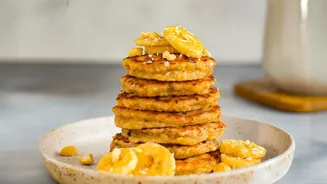
This simple, foundational recipe yields light and fluffy pancakes that are delicious on their own or ready for your creative twists. Many recipes combine ragi with whole wheat flour for better texture, but you can use other gluten-free flours to keep it entirely gluten-free. Ingredients: - 1 cup ragi flour (finger millet flour) - ½ cup whole wheat flour (or oat flour for a gluten-free option) - 1 tsp baking powder - ½ tsp baking soda - 1 ripe banana, mashed - 1 cup milk (or dairy-free alternative) - 1 tbsp jaggery powder or sugar (optional) - 1 tbsp melted butter or oil, plus more for cooking Instructions: 1. In a large bowl, whisk together the ragi flour, whole wheat flour, baking powder, and baking soda. 2. In a separate bowl, combine the mashed banana, milk, optional sweetener, and melted butter. 3. Pour the wet ingredients into the dry ingredients and mix gently until just combined. Be careful not to overmix, as this can make the pancakes dense. 4. Let the batter rest for 5-10 minutes. This helps create a fluffier texture. 5. Heat a non-stick pan over medium heat and lightly grease with butter or oil. 6. Pour a ladleful of batter onto the pan. Cook until bubbles start to form on the surface and the edges look dry. 7. Flip the pancake and cook the other side for another minute or until golden brown. 8. Serve warm with your favourite toppings.
Variation 1: The Chocolate Lover’s Twist
For a decadent yet healthy treat, transform your pancakes with the rich flavour of cocoa. This version is often a hit with children and adults alike. How to adapt: Sift 2-3 tablespoons of unsweetened cocoa powder along with your dry ingredients (ragi flour, wheat flour, etc.). The cocoa powder blends seamlessly into the batter, infusing it with a deep chocolatey taste. You may want to slightly increase the sweetener to balance the bitterness of the cocoa. These pancakes pair wonderfully with fresh berries, chocolate sauce, or a simple dusting of icing sugar.
Variation 2: The Fruity Apple Delight
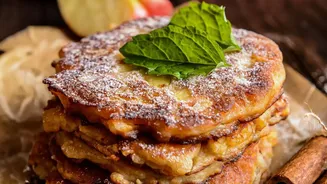
Adding apple to the batter not only imparts a natural sweetness but also adds moisture, making the pancakes incredibly soft. Using grated fruit is an excellent way to hydrate the dense ragi flour, improving the final texture. How to adapt: Peel, core, and grate one medium apple. Gently fold the grated apple into the batter after you have combined the wet and dry ingredients. The apple pieces will soften as they cook, releasing their sweet flavour throughout the pancake. This variation is a perfect match for a sprinkle of cinnamon or a drizzle of maple syrup.
Variation 3: The Warm Cinnamon Spice
Cinnamon adds a warm, comforting aroma and a subtly sweet spice that elevates the earthy flavour of ragi. It’s a simple addition that makes a big impact. How to adapt: Add 1 teaspoon of ground cinnamon to your dry ingredients when you begin. The spice will evenly distribute throughout the batter. For an even more flavourful combination, pair cinnamon with the apple variation. The apple and cinnamon duo is a classic for a reason, creating a pancake that tastes like a warm dessert for breakfast.
Tips for Fluffy Perfection
To ensure your ragi pancakes are always soft and fluffy, keep a few key tips in mind. First, do not overmix the batter; stir just until the ingredients are incorporated. Overmixing develops gluten (if using wheat flour) and results in dense, chewy pancakes. Second, always let the batter rest for at least 5-10 minutes. This allows the baking powder to activate and the flour to hydrate properly. Finally, cook on a medium flame; a high flame can burn the outside before the inside is cooked through, a common issue with dense flours like ragi.