






A Shock to the System
In August 2026, sugar prices in India surged by as much as 40% in just two months, hitting a 16-year high in some markets. This sharp increase couldn't have come at a worse time, right as the country enters its peak festival season from August to November.
Demand for sweets and beverages traditionally soars during Ganesh Chaturthi, Dussehra, and Diwali, putting immense pressure on household budgets and businesses. The price jump was the final trigger that pushed the government to act decisively, turning to the international market for a solution it hasn't needed for almost ten years.
The Roots of the Shortfall
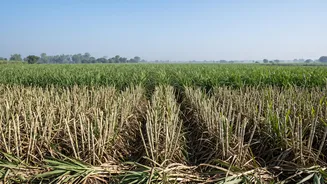
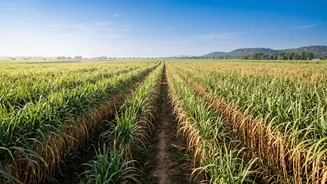
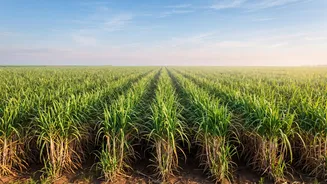
The core of the problem lies in a significant gap between expected and actual sugar production. The 2025-26 sugar season's output is now estimated to be around 30.6 million tonnes, a steep drop from the initial forecast of 34.3 million tonnes. This shortfall is the result of a devastating combination of factors. An erratic monsoon, influenced by El Niño, brought deficient rainfall to the key sugarcane-growing states of Maharashtra and Karnataka, which together account for a huge portion of India's output. This lack of rain stunted cane growth and reduced yields. Compounding the weather woes, crop diseases like Red Rot and waterlogging from ill-timed downpours further damaged the harvest in several regions.
The Government’s Multi-Pronged Response
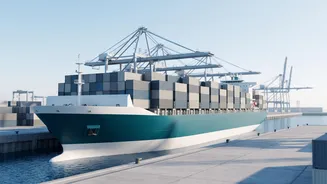
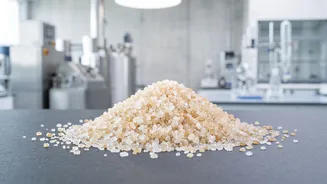
Faced with rising prices and a looming festive season, the Indian government rolled out a multi-layered strategy. The headline measure was the decision to allow the duty-free import of one million tonnes of raw sugar until October 31, 2026, temporarily waiving the usual 100% tariff. But imports are only part of the plan. To combat hoarding and speculation, which officials believe contributed to the price spike, strict stockholding limits have been imposed. Bulk consumers like soft drink manufacturers and confectioners cannot hold more than 15 days' worth of inventory, while limits have also been placed on dealers to ensure a steady flow of sugar into the market rather than being held back in warehouses.
Is Ethanol Diversion to Blame?
Questions have been raised about the role of India's ambitious ethanol blending programme, which diverts sugarcane towards fuel production. While this diversion does reduce the amount of cane available for sugar, the government has stated it is not the primary driver of the current crisis. Officials argue that the immediate price spike is a direct consequence of the unexpected production shortfall meeting strong seasonal demand. The ethanol programme is viewed as a long-term strategic tool to manage India's typical sugar surpluses and support farmer incomes, not as a cause of scarcity in a deficit year. However, at current high sugar prices, it becomes less profitable for mills to produce ethanol, which may naturally redirect more cane back to sugar production in the coming months.
A Precautionary Measure, Not a Panic
It is crucial to understand that India is not running out of sugar. With annual consumption estimated at around 28-29 million tonnes, the projected output of over 30 million tonnes is still enough to meet domestic needs. The real issue is the buffer stock, which has shrunk to a dangerously thin level. The imports are a proactive measure to build this cushion, increase availability during the high-demand festive period, and signal to the market that the government will act to control prices. This move aims to cool down market sentiment and ensure that the supply chain keeps moving smoothly, preventing a tight situation from becoming a full-blown crisis for consumers.