


A Protected Sanctuary, Not Just a Viewpoint
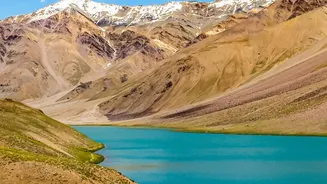
The most significant factor that sets Tso Moriri apart is its protected status. Officially known as the Tso Moriri Wetland Conservation Reserve, it is a designated Ramsar site, recognizing it as a wetland of international importance. This isn't just a title;
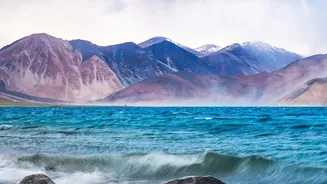
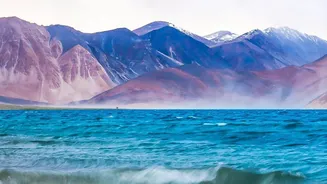
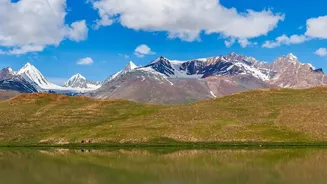
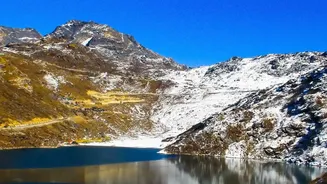
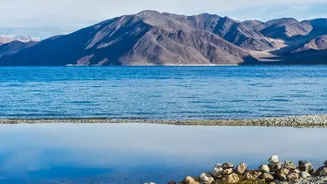
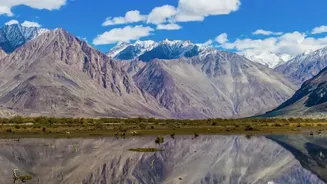
it has real-world implications for visitors. Unlike the shores of Pangong where camping was once popular, setting up tents or any construction near the edge of Tso Moriri is strictly prohibited to preserve its fragile ecosystem. This regulation ensures the landscape remains pristine and undisturbed. The lake, stretching nearly 26 kilometres, is the largest high-altitude lake entirely within Indian territory, giving it a self-contained grandeur. Its waters are fed by glacial streams, creating marshy deltas that are crucial for wildlife.
A Haven for Rare and Sacred Wildlife
This protected status makes Tso Moriri a paradise for birdwatchers and wildlife enthusiasts. It is one of the most important breeding grounds in India for the bar-headed goose and, crucially, one of the only breeding sites outside of China for the endangered black-necked crane. Seeing these graceful birds in their natural habitat is a privilege that few other places in India can offer. The surrounding Changthang Wildlife Sanctuary is also home to a variety of mammals adapted to the harsh, high-altitude environment. While spotting the elusive snow leopard is rare, visitors are very likely to encounter the kiang (Tibetan wild ass), blue sheep, and playful Himalayan marmots.
The Living Culture of the Changpa Nomads
Tso Moriri is not a sterile natural wonder; it is a living cultural landscape. The region is home to the Changpa, a community of semi-nomadic pastoralists who have traversed these plains for centuries. Their lives are intrinsically linked to the lake and its surrounding pastures, where they graze their herds of yaks and the famed pashmina goats. Visitors to Tso Moriri have the unique opportunity to respectfully observe this traditional way of life, a stark contrast to the more tourist-centric atmosphere at other popular sites. The nearby village of Korzok, one of the highest permanent settlements in India, offers a base for this cultural immersion.
Spiritual Serenity and Solitude
Overlooking the lake from the village of Korzok is the historic Korzok Monastery, a 400-year-old gompa belonging to the Drukpa lineage. Its presence adds a deep spiritual dimension to the landscape. Being less visited than the monasteries along the main tourist circuit, Korzok offers a more tranquil and authentic experience. The combination of the sacred lake, the ancient monastery, and the profound silence of the Changthang plateau creates an atmosphere of deep serenity. This makes a trip to Tso Moriri feel less like sightseeing and more like a pilgrimage for those seeking peace and solitude, a quality many feel Pangong has lost due to its popularity.
Planning and Permits: The Latest for 2026
Reaching Tso Moriri requires more planning than other Ladakhi destinations, which naturally filters the crowds. The lake sits at a breathtaking altitude of over 4,500 meters (around 14,836 feet), making proper acclimatization in Leh for at least a couple of days absolutely essential before attempting the journey. As of 2026, Indian tourists are no longer required to obtain a formal Inner Line Permit (ILP) but must pay the Ladakh Environment Fee online. Foreign nationals still need to arrange for a Protected Area Permit (PAP) through a registered travel agent. The journey from Leh takes about 6-7 hours, and while the main route is generally well-maintained, the remote location means services are limited. This remoteness, however, is precisely what preserves its unique charm.