






The Global Benchmark for Tourism
Japan has been recognised for its exceptional tourism framework, recently claiming the top spot in the World Economic Forum's 2026 Travel & Tourism Development Index (TTDI). The comprehensive index evaluates 119 economies on a wide range of factors, from
infrastructure and safety to cultural resources and sustainability. Japan’s ascent to the top, displacing other major destinations, underscores its robust and resilient tourism sector, which welcomed a record number of international visitors in recent years. The ranking considers 17 pillars that contribute to a country's readiness for tourism, highlighting that a best-in-class travel experience is about more than just famous landmarks. Japan's high score reflects its world-class performance across many of these crucial areas.
Seamless and Safe Infrastructure
A cornerstone of Japan's tourism success is its unparalleled infrastructure. The country is renowned for its hyper-efficient public transportation, most famously the Shinkansen, or bullet train, which connects major cities with incredible speed and punctuality. Beyond the rails, cities are clean, and public services are meticulously maintained. This extends to safety, a factor where Japan consistently ranks among the world's best. According to one 2026 study by Berkshire Hathaway Travel Protection, Japan's public transport system was ranked the safest in the world. For travellers, this low crime rate and exceptional public order create a stress-free environment, allowing them to explore with confidence, whether in bustling urban centres or serene rural landscapes.
A Wealth of Cultural Resources
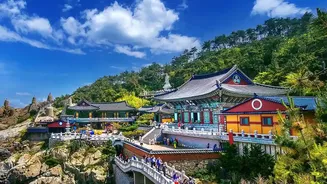
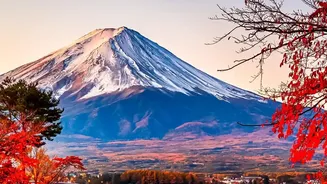
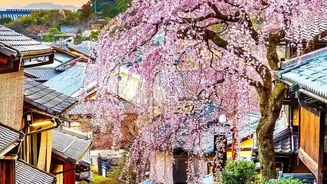
Few countries can match the sheer depth and diversity of Japan's cultural offerings, a key factor in its high ranking. The nation is home to numerous UNESCO World Heritage sites, from the historic temples of Kyoto to the iconic Himeji Castle and the sacred Mount Fuji. This blend of ancient and modern is a powerful draw. Visitors can immerse themselves in centuries-old traditions like tea ceremonies, staying in a traditional ryokan (inn), or witnessing a sumo match. In the same trip, they can dive into the vibrant pop culture of Tokyo's Harajuku or Akihabara districts. This rich tapestry of experiences, from spiritual pilgrimages to cutting-edge technology and art, ensures that Japan appeals to a wide spectrum of interests.
Strategic Tourism and Sustainability
Japan’s high ranking isn’t just about what it has, but how it manages it. The World Economic Forum noted the country's successful efforts to promote tourism beyond the well-trodden 'Golden Route' of Tokyo, Kyoto, and Osaka. By encouraging visitors to explore regional destinations, Japan helps distribute the economic benefits of tourism more evenly and mitigates the pressures of over-tourism in popular spots. This strategic approach to managing visitor flows is crucial for long-term sustainability. The government and tourism bodies have also invested in making travel easier, with efficient visa programs and improved regional transport links that contribute to a smoother visitor experience.
The 'Omotenashi' Experience
Beyond the measurable metrics of infrastructure and attractions lies an intangible quality that defines Japanese hospitality: 'omotenashi'. This concept refers to a deep-rooted culture of wholehearted and meticulous hospitality, where hosts anticipate the needs of their guests. It's visible in the polite service found in shops and restaurants, the cleanliness of public spaces, and the general respect and friendliness shown to visitors. This cultural emphasis on providing a welcoming and comfortable experience is a powerful, though unquantifiable, asset. It elevates a trip to Japan from a simple vacation to a truly memorable cultural immersion, leaving a lasting impression on travellers long after they've returned home.