


Arashiyama Bamboo Grove, Kyoto
The iconic photo of a serene, empty path flanked by towering bamboo stalks is powerful, but deeply misleading. The reality of the Arashiyama Bamboo Grove, especially between 9 a.m. and 4 p.m., is a slow, crowded shuffle through a sea of selfie sticks.
The tranquility you came for is often completely lost. This path is relatively short, and the sheer volume of visitors makes it hard to appreciate the natural beauty. Peak seasons like cherry blossom and autumn foliage are even more intense. The Fix: To experience the magic, you must go early. Arriving at sunrise or before 8 a.m. on a weekday is your best bet for a peaceful walk and beautiful photos with soft morning light. Alternatively, consider visiting one of Kyoto’s many other stunning, and much quieter, bamboo groves. Adashino Nenbutsu-ji Temple, a 20-minute walk away, has its own beautiful bamboo path. Other great options include the groves at Kodai-ji Temple or the Take-no-Michi path just outside Kyoto.
Climbing Mount Fuji
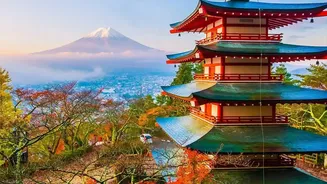
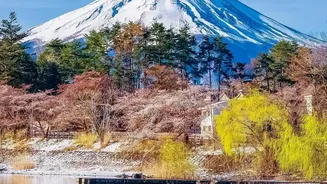
Reaching the summit of Japan’s most sacred mountain is a bucket-list goal for many. However, the official climbing season is extremely short, typically only from early July to early September. This narrow window concentrates hundreds of thousands of climbers onto its slopes, leading to significant congestion on the trails, especially near the top. The phenomenon of “bullet climbing”—attempting to summit overnight without proper rest—is dangerous and discouraged, as it increases the risk of altitude sickness and injury. Recent regulations have even introduced daily caps and fees to manage the crowds. The Fix: Instead of climbing it, admire it. The Fuji Five Lakes region at the northern base of the mountain offers breathtaking, postcard-perfect views of Mount Fuji year-round without the physical toll and crowds. Lake Kawaguchiko, in particular, is easily accessible and provides iconic reflections of the peak. You can enjoy hiking, cycling, and relaxing in hot springs, all with Fuji’s majestic cone as your backdrop. This approach lets you appreciate the mountain's beauty in a more relaxed and sustainable way.
Cherry Blossoms in Major Cities
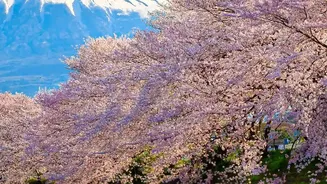
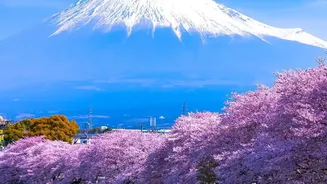
The image of cherry blossoms (sakura) framing castles and temples in Kyoto and Tokyo is world-famous for a reason. But this beauty comes at a price. The bloom period is short, unpredictable, and coincides with Japan’s absolute peak tourist season. This means huge crowds at every famous viewing spot, sky-high prices for flights and hotels, and fully booked accommodations months in advance. The experience of a peaceful hanami (flower viewing) picnic can easily be replaced by a stressful hunt for a tiny patch of grass. The Fix: For a similar but far more relaxed experience, visit during plum blossom (ume) season from mid-February to early March. The flowers are just as beautiful, ranging from white to deep pink, and they bloom when Japan is much less crowded and more affordable. If your heart is set on sakura, seek out lesser-known destinations. Regions outside the main Tokyo-Kyoto-Osaka corridor often have stunning blossom spots without the international tourist crush.
Kyoto's Gion District
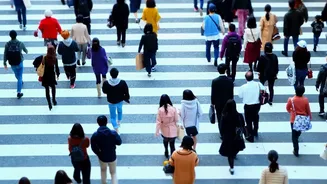
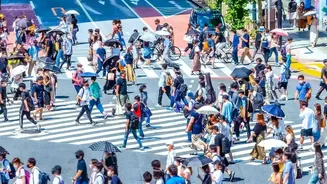
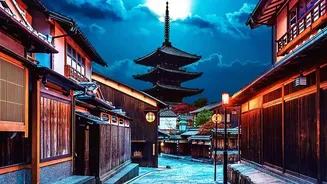
Wandering the traditional wooden streets of Gion, hoping for a glimpse of a geiko or maiko, is a top activity in Kyoto. Unfortunately, this has led to severe overtourism. The narrow lanes are often packed shoulder-to-shoulder, and reports of tourists aggressively chasing and photographing geishas have led to photography bans and local frustration. The atmosphere can feel less like a historic cultural area and more like a crowded theme park, detracting from the authentic experience. The Fix: Visit Gion in the evening, after 9 p.m., when the day-trippers have gone and the lantern-lit streets feel more magical. For a more respectful and guaranteed cultural experience, book a formal dinner or performance where you can learn about the arts of the geiko and maiko. Alternatively, explore other beautifully preserved historic districts in Kyoto, like the area around Kodai-ji Temple, which are often much quieter. Visiting during the off-season, such as in winter (January-February) or early June, also means fewer crowds.
The Sapporo Snow Festival
Held for one week in early February, the Sapporo Snow Festival is a world-renowned event featuring massive, intricate snow and ice sculptures. While spectacular, its fame means it is incredibly crowded, with over two million visitors descending on the city. This leads to inflated prices for hotels and long lines for food stalls. The sheer number of people can make it difficult to move around freely and enjoy the sculptures, especially in the evenings when they are illuminated. Heavy snowfall can also disrupt transportation. The Fix: For a more relaxed winter wonderland experience, visit Hokkaido right before or after the festival. The region is covered in beautiful powder snow for months, offering fantastic skiing, onsen (hot springs), and magical snowy landscapes without the festival crowds. Towns like Otaru and Noboribetsu offer charming winter scenery and activities. You can still enjoy the best of Hokkaido's winter, from delicious ramen to snowy landscapes, often at a lower cost and with more breathing room. You could also check out smaller, local snow festivals like the Lake Shikotsu Ice Festival.