
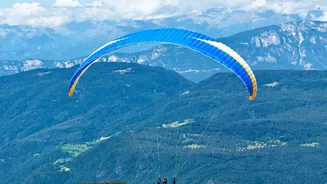
The Beginner’s Leap of Faith
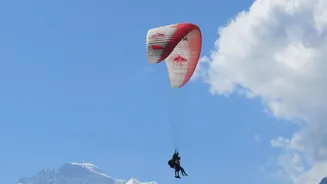
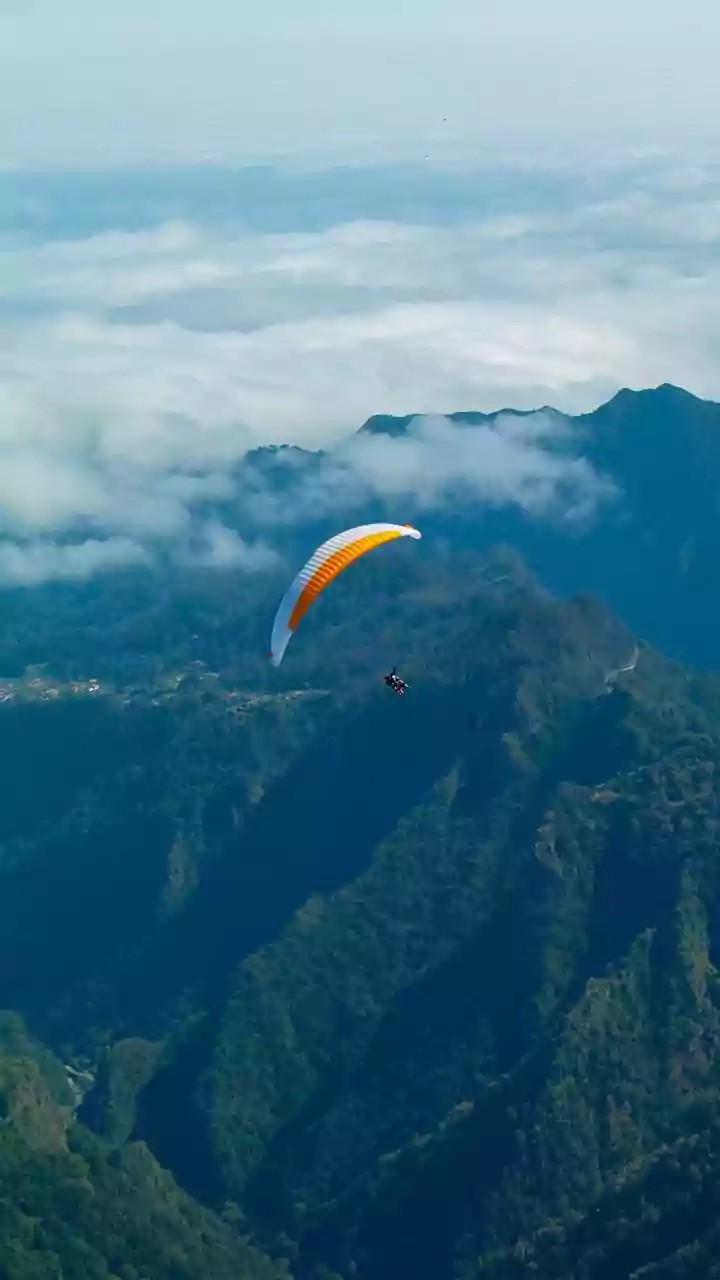
For the uninitiated, the gateway to the skies is a tandem flight. Securely harnessed to a certified instructor, your only job is to jog a few steps towards the edge of a mountain and let the wing lift you into the air. No prior experience is needed, making
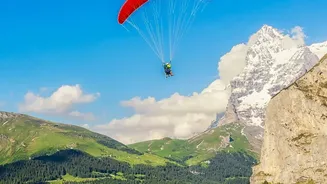
it a perfect holiday adventure for anyone reasonably fit and over the age of five. The feeling is less of a stomach-lurching drop and more of a gentle, quiet ascent. The instructor handles the controls, navigating the air currents while you simply sit back and absorb the immense, panoramic views. Flights can range from a calm 10-minute discovery tour to a longer 45-minute journey, depending on the weather and what you're looking for. The focus for a first-timer isn't on technical skill but on the pure, unadulterated joy of flight and the breathtaking scenery.
Prime Locations for a First Flight
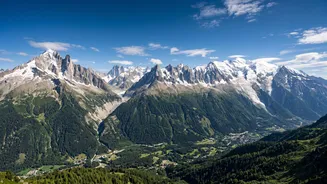
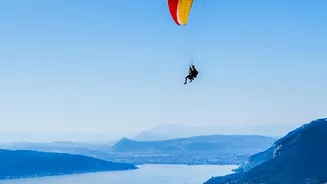
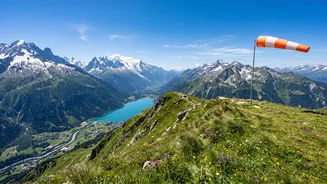
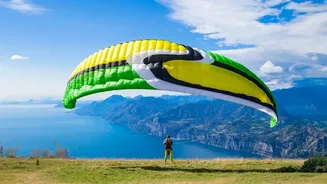
Not all launch sites are created equal, and the French Alps boast some of the world's most spectacular and beginner-friendly spots. Lake Annecy is arguably the most famous, renowned for its stable weather conditions and stunning views. Taking off from Col de la Forclaz, you glide over the impossibly blue lake, with the Aravis mountain range as your backdrop. Chamonix, the heart of French mountaineering, also offers accessible tandem flights. Launching from Plan Praz at 2,000 metres gives you a dramatic, front-row seat to the Mont Blanc massif. These sites are popular for a reason: they combine reliable logistics, certified paragliding schools, and scenery that makes your first flight utterly unforgettable.
The Trained Pilot’s Playground
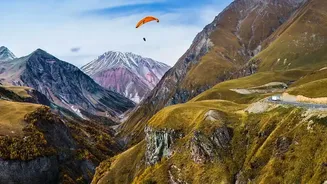
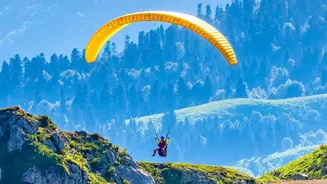
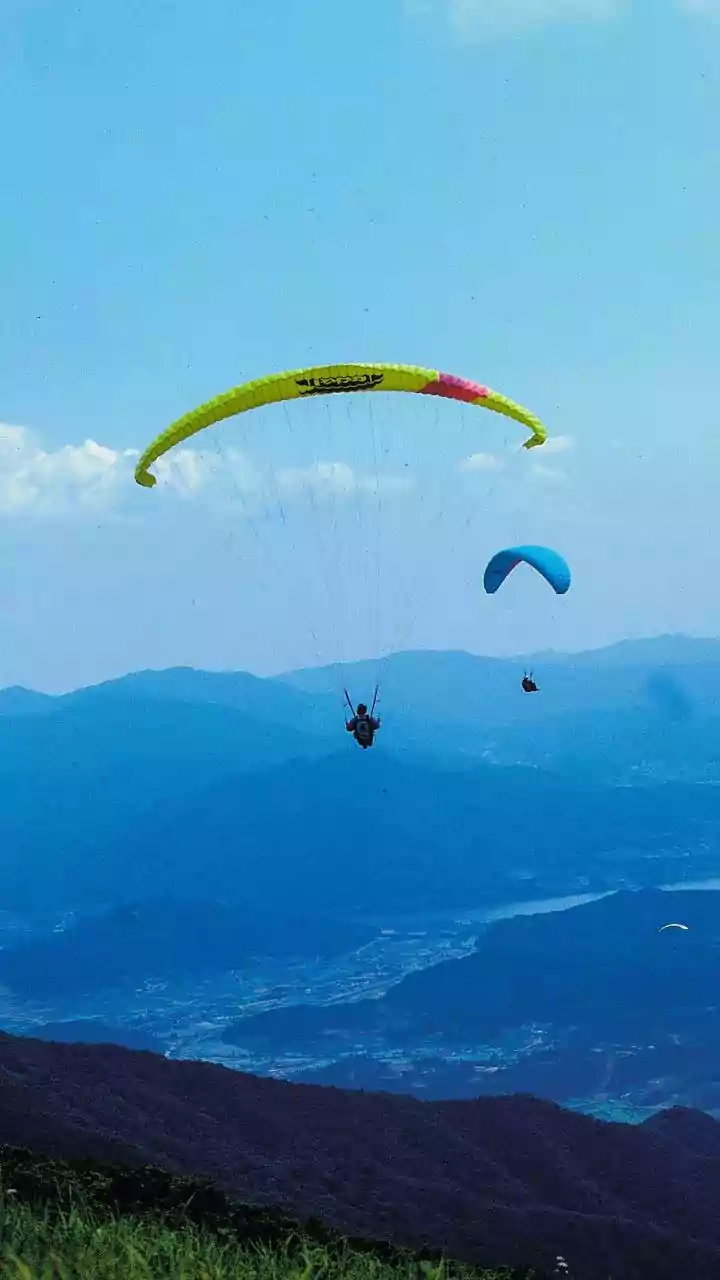
For a licensed pilot, the Alps transform from a beautiful backdrop into a complex and exhilarating playground. The experience is no longer about the simple sensation of flight but about the art of it. It's about strategy, endurance, and a deep connection with the elements. Experienced pilots seek out strong thermal lifts—columns of rising warm air—to gain altitude and travel long distances. This is known as cross-country (or XC) flying, a discipline that can see pilots cover hundreds of kilometres in a single flight. Others pursue 'hike and fly', a gruelling but rewarding practice of climbing a mountain on foot and then flying down. The thrill here is in the solitude, the challenge, and the freedom to chart your own course through the sky.
Legendary Sites for the Expert
Advanced pilots flock to sites that offer powerful conditions and limitless potential. Saint-Hilaire-du-Touvet, near Grenoble, is considered the spiritual home of free flight in France and hosts the world-famous Coupe Icare festival each September. The Chamonix valley, while offering beginner flights, is also an elite destination for experts. High-altitude launches from the Aiguille du Midi (3,700 metres) or the Grands Montets (3,200 metres) are reserved for highly experienced pilots capable of navigating glacial terrain and complex mountain weather systems. These flights are not just about the view; they are about mastering some of the most demanding and rewarding flying conditions on the planet. Many schools offer advanced cross-country courses for licensed pilots looking to hone their skills in this challenging environment.
Safety is in the Air
Whether you are a first-timer or a 1,000-flight veteran, safety is the foundation of paragliding in the Alps. The sport is highly regulated in France, with the Fédération Française de Vol Libre (FFVL) setting rigorous standards for instructors and schools. Choosing a certified school is the most important step for any aspiring flyer. These schools provide inspected equipment, thorough pre-flight briefings, and pilots with expert knowledge of local weather patterns, which can change rapidly in the mountains. For tandem passengers, this means you can relax and trust the professional at your back. For solo pilots, it means adhering to a culture of caution, constantly checking forecasts, and never flying beyond your skill level.