








A Digital Revolution at Scale
India's digital economy is no longer an emerging story; it's a present-day powerhouse. With over a billion internet users and more than 650 million smartphone users, the country is one of the world's largest and fastest-growing digital markets. Government
initiatives like 'Digital India', launched in 2015, have accelerated this transformation by focusing on building robust digital infrastructure and promoting e-governance. This has led to the widespread adoption of platforms like the Unified Payments Interface (UPI), which now processes billions of transactions monthly. This digital surge, encompassing everything from e-commerce and fintech to the rise of Artificial Intelligence, is expected to contribute over 20% to India's GDP by 2026-27, up from around 11% today. This rapid expansion in data generation and consumption creates a direct and urgent need for the physical backbone that stores, processes, and moves all this information.
The Unseen Engine: Data Centres
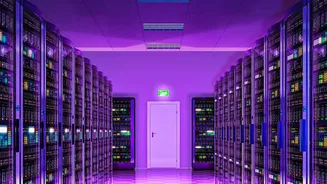
Data centres are the factories of the digital age. These secure, temperature-controlled buildings house the thousands of servers and data storage systems that power the cloud, run our apps, and keep the internet running. As India's data consumption soars, so does the race to build these critical facilities. The country's data centre capacity is projected to more than double from around 1 GW in 2023 to over 2 GW by the end of 2026. Major domestic and international players are investing billions, with investment commitments reaching approximately USD 38 billion in the first half of 2026 alone. This boom is concentrated in key hubs like Mumbai, which benefits from its proximity to submarine cable landing stations, as well as Chennai, Hyderabad, and the National Capital Region. While India currently accounts for a small fraction of global data centre capacity, its share is set to grow exponentially, turning digital infrastructure itself into a major economic sector.
The Billion-Dollar Power Problem
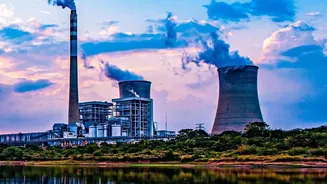
This explosive growth comes with a significant challenge: power. Data centres are incredibly energy-intensive, requiring a constant, uninterrupted supply of electricity 24/7 to run servers and, just as importantly, to keep them cool. An average data centre can consume as much electricity as tens of thousands of homes. As India's capacity expands, the electricity demand from this sector is forecast to skyrocket. One projection estimates demand will rise from around 10 Terawatt-hours (TWh) in 2025 to nearly 200 TWh by 2040, potentially accounting for 7% of the nation's total electricity demand. This places immense strain on local power grids and raises critical questions about where this energy will come from, especially in a country already managing a growing overall power demand. The rise of power-hungry AI workloads further complicates this, as AI servers can draw significantly more power than traditional ones.
The Push for a Green Digital Future
The massive energy footprint of data centres has put sustainability at the forefront of the industry's agenda. The challenge isn't just about sourcing more power, but about sourcing clean power. In response, there is a significant push towards renewable energy to run these facilities. Major tech giants are becoming some of the largest corporate buyers of renewable energy in India, entering into long-term agreements to power their data centres with solar and wind. The goal is to build a digital economy that is not only powerful but also sustainable. This involves direct investment in renewable projects and the adoption of energy-efficient technologies and designs within the data centres themselves. However, the intermittent nature of renewables like solar presents a challenge for an industry that requires 99.999% uptime, highlighting the need for solutions like battery storage to ensure a constant green power supply.