


The New, Warmer Foundation
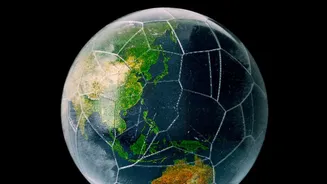
First, let's talk about the baseline. For decades, human activities have released greenhouse gases into the atmosphere, creating a heat-trapping blanket around the Earth. This isn't a temporary spike; it’s a fundamental shift in our planet's energy balance.
The World Meteorological Organization's (WMO) report on the State of the Global Climate highlights that over 90% of this excess heat has been absorbed by the oceans. This has steadily raised the planet's average temperature. The years 2015 to 2025 were the hottest eleven-year period on record. This persistent warming is the new foundation, the elevated starting point from which all our weather now operates. It means that even a "normal" year is now warmer than it used to be, and this higher baseline makes every subsequent heat-producing event more potent.
What Exactly is El Niño?
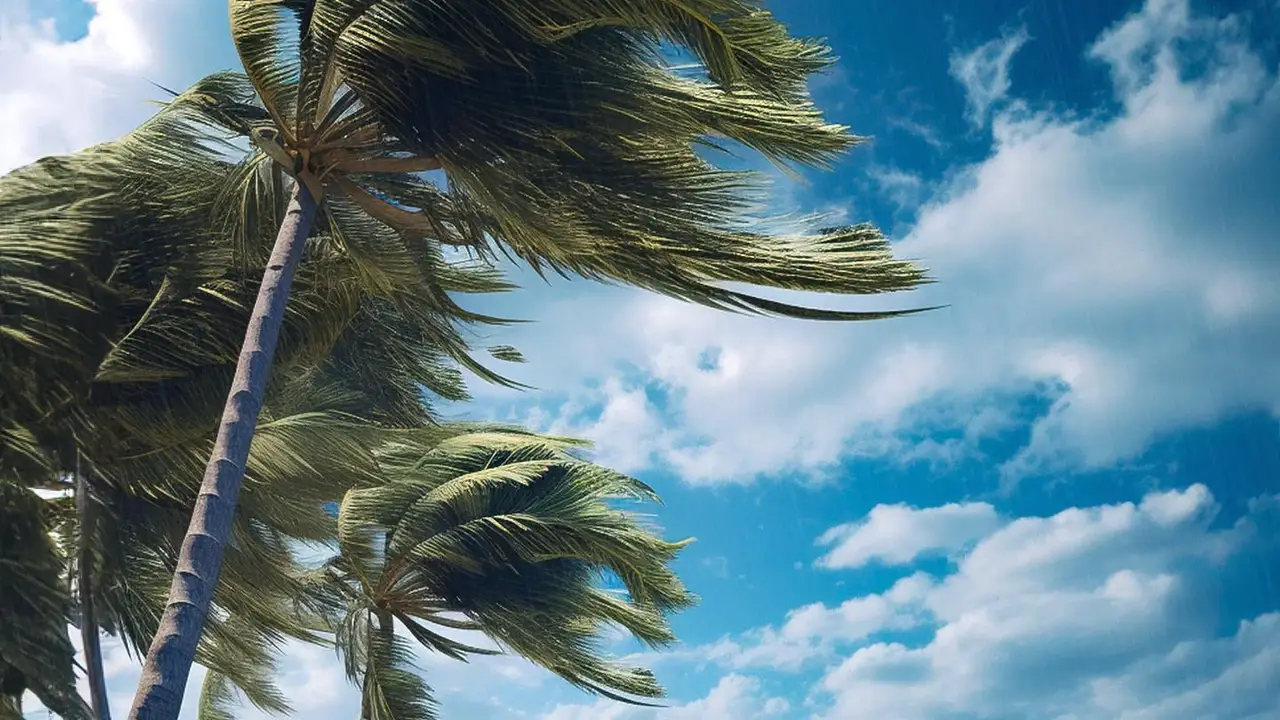
Now, let's add El Niño to the mix. El Niño is not caused by climate change; it's a natural and powerful climate pattern that has occurred for centuries. It’s one phase of the El Niño-Southern Oscillation (ENSO), a cycle that involves changes in sea surface temperatures in the tropical Pacific Ocean. In a normal year, trade winds blow from east to west, pushing warm surface water towards Asia. During an El Niño, these trade winds weaken. As a result, a massive amount of warm water sloshes back eastward, toward the coast of the Americas. This huge displacement of ocean heat alters atmospheric circulation, affecting jet streams and shifting weather patterns across the globe. This typically happens every two to seven years and can last for nine to twelve months.
A Dangerous Combination
Here’s where the two phenomena intersect with dangerous consequences. El Niño's warming effect is now being added on top of the already elevated baseline temperature set by climate change. A naturally occurring warm phase is now operating in an artificially warmed world. Scientists warn that while El Niño is a natural cycle, global warming can intensify its effects. A warmer atmosphere holds more moisture, so when El Niño brings rain, it can be heavier and lead to more severe flooding. Conversely, in areas prone to dryness during El Niño, the added background heat can worsen droughts and increase wildfire risk. Projections suggest that climate change may make extreme El Niño events more frequent, potentially doubling their occurrence from once every 20 years to once every 10 years.
From Theory to Reality in 2026
We are seeing this compounded effect play out right now. The UN's World Meteorological Organization has warned that a strong El Niño is developing and expected to dominate global climate patterns through late 2026. Forecasters from NOAA give it a 97% chance of persisting through early 2027, with an 81% chance of it becoming a "very strong" event by the end of 2026. This is happening against a backdrop of record-breaking global heat. The WMO predicts that with the push from this strengthening El Niño, there is an overwhelming likelihood of above-normal temperatures across most land areas globally. These aren't just numbers on a chart; they translate into tangible, severe weather events like the record heatwaves, devastating wildfires, and unusual rainfall patterns already being seen around the world.