






The Price Pinch in Karnataka's Kitchens
Across Karnataka, households and businesses are grappling with a sharp rise in onion prices. In markets in Bengaluru and other cities, the cost of the essential vegetable has surged, with retail prices climbing to between ₹55 and ₹65 per kilogram, a significant
jump from just a few weeks ago. This sudden inflation is putting a strain on household budgets and forcing restaurants and small food businesses to recalibrate their costs. The price surge is a direct reflection of a supply crunch that has hit markets across the state, leaving consumers and traders wondering when relief will arrive.
A Tale of Two Troubled Crops
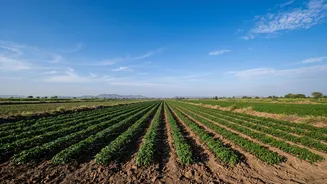
The core of the problem is not a single issue, but a dual crisis affecting both local and external supplies. Firstly, Karnataka's own kharif onion crop has been severely impacted by a poor monsoon. Inadequate rainfall and drought-like conditions in major onion-growing districts like Chitradurga, Gadag, and Vijayapura have led to a significant drop in local production. Farmers dependent on rain have seen their yields plummet, meaning fewer locally grown onions are reaching the markets. This has made the state unusually dependent on supplies from elsewhere to meet its demand.
Maharashtra's Constrained Supply
Typically, Karnataka turns to Maharashtra, India's largest onion producer, to fill supply gaps. This year, however, Maharashtra is facing its own set of challenges. The problem began earlier in the year when unseasonal rains and hailstorms during the March-April harvest damaged the rabi crop. This is the crop that is stored to ensure supply throughout the year. The excessive moisture led to a high rate of spoilage, with onions rotting or sprouting in storage. As a result, the quantity and quality of onions available from Maharashtra's stored stocks are significantly reduced, limiting its ability to ease the pressure on Karnataka's markets.
A Nationwide Squeeze
This isn't just a regional issue. Nationally, the area under kharif onion cultivation has fallen by an estimated 37%, signalling a broader supply constraint in the months ahead. In response to rising prices across the country, the central government has begun releasing onions from its buffer stock at subsidized rates to cool the market. However, experts suggest that these measures can only offer temporary relief. The buffer stocks themselves have suffered higher-than-usual storage losses due to the poor quality of the initial crop. Ultimately, government intervention cannot fully compensate for a fundamental shortfall in production.
What Happens Next?
Consumers should brace for firm prices to continue for the near future. Relief is primarily dependent on the arrival of the next harvest. Farmers in some parts of Karnataka who sowed seeds again after August rains are hoping for a crop by November, but this is uncertain. Until fresh, healthy crops begin arriving in markets in significant quantities, supply will remain tight. The situation highlights the vulnerability of India's food supply chain to erratic weather patterns, where a poor monsoon in one state and the lingering effects of past rains in another can combine to create a perfect storm for price inflation felt in kitchens across the country.